
AU and EU Adopt Strategic Partnership Implementation Plan in Addis Ababa
The African Union and European Union have adopted a joint Implementation Plan and follow-up mechanism to advance trade, prosperity, and commitments from the Luanda Summit.
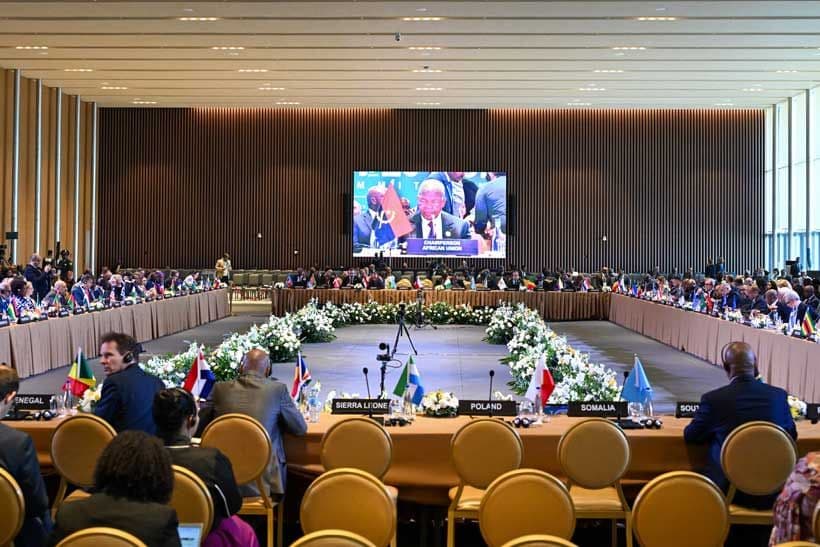
High-Level Endorsement in Addis Ababa
On November 4, 2026, senior officials from the African Union (AU) and the European Union (EU) convened in Addis Ababa, Ethiopia, to formally adopt the AU-EU Partnership Implementation Plan. The meeting marked a structured operational step forward in intercontinental relations, establishing a concrete roadmap designed to advance shared objectives across international trade, development, and security.
The bilateral discussions were co-chaired by Ambassador Willy Nyamitwe, representing the African Union, and Patricia Llombart Cussac, representing the European Union. Under their joint leadership, delegations from both institutions worked to translate high-level intercontinental commitments into an actionable framework, focusing on shared priorities and the administrative mechanisms required to deliver measurable outcomes.
Four Priority Pillars and Commitments from the Luanda Summit
The newly adopted Implementation Plan organizes future AU-EU engagement and strategic cooperation under four primary areas: prosperity; peace, security and governance; people; and multilateralism. By focusing on these defined pillars, the agreement sets clear programmatic boundaries for joint cooperation between Europe and Africa.
A central focus of the plan is advancing mutual commitments made during the 2025 Luanda Summit, particularly regarding trade, economic development, and security coordination. Through the prosperity and multilateralism tracks, the framework aims to reinforce bilateral commercial channels, address shared economic priorities, and establish a consistent environment for intercontinental trade and investment relations.
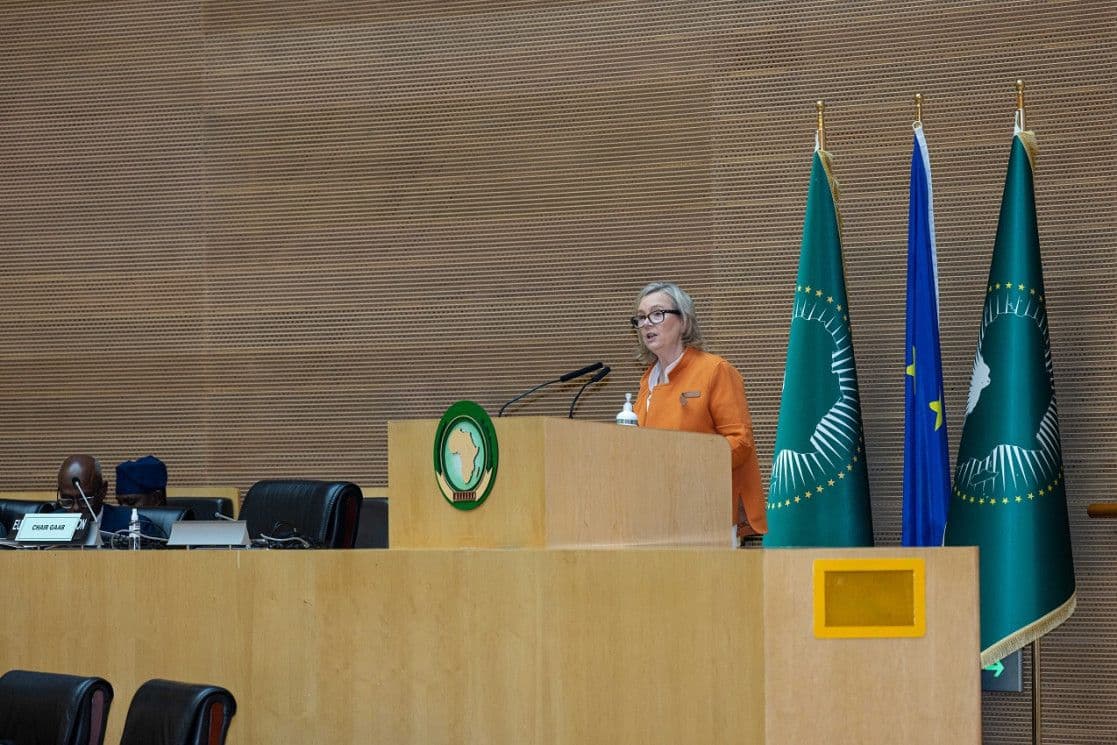
A Structured Follow-Up Mechanism for Institutional Accountability
Alongside the adoption of the four priority areas, the senior officials established a dedicated follow-up mechanism intended to govern the implementation process. This structure is designed to improve institutional coordination between the African Union and European Union bodies, systematically track implementation benchmarks, and enhance accountability across all active initiatives.
By deploying an institutional monitoring framework, both delegations aim to prevent administrative delays and ensure that bilateral agreements translate into tangible progress. The mechanism provides regular channels for evaluation, enabling the EU and AU to review progress on Luanda Summit deliverables, coordinate policy objectives, and maintain alignment across joint working areas.
Related Articles

AU and EU Adopt Joint Implementation Plan to Operationalize Strategic Partnership Commitments
AU and EU Adopt Joint Implementation Plan to Operationalize Strategic Partnership Commitments

Beyond the Lifeline: Africa's Strategic Push for a Reciprocal Trade Future with the US
Beyond the Lifeline: Africa's Strategic Push for a Reciprocal Trade Future with the US

EU Agriculture Ministers Meet in Luxembourg to Discuss Post-2027 CAP and Trade Strategy
EU Agriculture Ministers Meet in Luxembourg to Discuss Post-2027 CAP and Trade Strategy

EU Agriculture Council Adopts Negotiating Position for 2028–2034 CAP and Reviews Export Strategy