
Brazil's November Riddle: Navigating a Climate of Extreme Contrasts
Unpack Brazil's November climate riddle: La Niña's influence creates scorching heat, unexpected chills, and diverse agricultural challenges across regions. A must-read.
November's Unruly Start: A Nation Divided by Weather
As Brazil steps into November 2025, the climate narrative promises to be one of profound contrasts, painting a dramatically different picture across its vast landscapes. While the likelihood of widespread, prolonged heatwaves appears low, forecasters, including meteorologist , warn that unexpected cold spells, similar to those experienced in October, could certainly recur, keeping many on their toes. The nation's and the far anticipate temperatures ranging from average to slightly above, yet the is poised to be Brazil's hottest zone, with its interior bracing for numerous days soaring past 40 °C. This stark division sets the stage: a grappling with potential excess rainfall, contrasting sharply with intense heat and typical dryness in the Northeast. This dynamic interplay, fueled by advancing cold fronts and persistent humidity corridors, should keep soil moisture levels adequate and temperatures generally milder across much of the country, but the regional disparities will define the month.
La Niña's Masterstroke: The Atmospheric Forces at Play
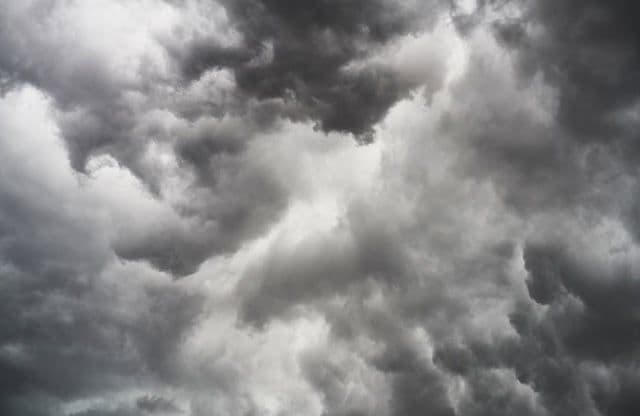
Understanding November's volatile climate demands a look at its chief architect: the phenomenon. Characterized by cooler-than-average sea surface temperatures in the equatorial Pacific, La Niña isn't just a distant oceanic event; it's a critical atmospheric force shaping Brazil's weather. of highlights how La Niña is actively facilitating the formation of crucial humidity corridors and setting the stage for the to organize. This atmospheric setup is the very reason we expect more intense cold fronts to sweep across the and . These fronts are powerful enough to usher in polar air, potentially triggering those unseasonal cold snaps across the of Brazil. Essentially, La Niña orchestrates the dramatic contrast—funneling moisture and fostering milder conditions in some areas while simultaneously allowing scorching heat to intensify in others, particularly the , making it the central figure in this climatic drama.

Regional Extremes: From Scorching Northeast to Chilly South
November's weather map for is a mosaic of extremes, clearly illustrating the regional impacts of the atmospheric forces at work. The , as predicted, will be the epicenter of heat, with inland areas frequently surpassing 40°C under typically dry conditions for the season. Shifting south, a remarkably different scenario unfolds. Areas like , the , and the are expected to experience slightly below-average temperatures, a direct consequence of numerous cloudy days, frequent rainfall, and the consistent arrival of cold air masses from the southern continent. Rainfall projections underscore this disparity: , the , , , the far , and much of are slated for above-average precipitation, with cities like and potentially logging over 300 mm. In contrast, while might see localized storms, its overall rainfall is forecast to be slightly below average, further emphasizing the complex, region-specific challenges of this month.
Cultivating Resilience: Agricultural Realities Under a Fickle Sky
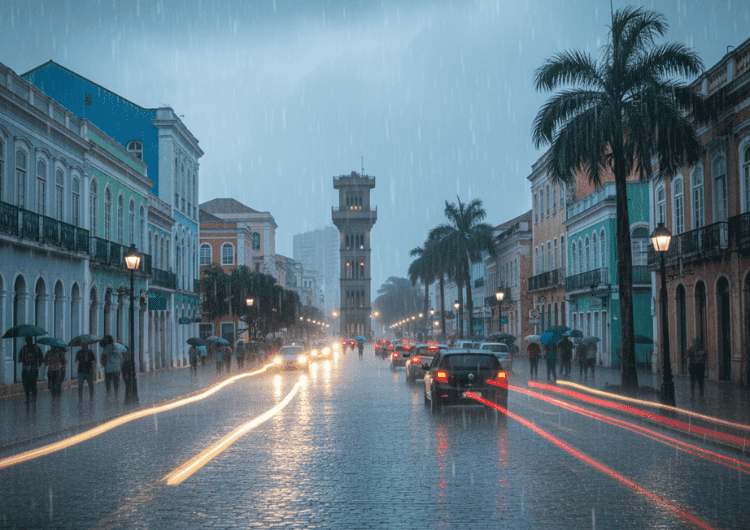
The irregular weather patterns of November 2025 will inevitably cast a long shadow over agricultural sector, creating a complex tapestry of opportunities and critical challenges. The emphasizes that the varied combinations of precipitation and heat will either favor or restrict different crops across the country. In the , for instance, parts of western and southeastern , northwestern and southeastern , and northern anticipate above-average rainfall, a boon for some cultures. Yet, , southwestern , and southern face drier-than-normal conditions. The presents its own dichotomy: near-average rainfall could aid the maturation and harvest of third-crop corn in the (, , and ), but central-eastern and the southern stretches of and might contend with below-average volumes, demanding diligent irrigation and careful crop management. With prevailing above-average temperatures, particularly in , western , and central , where thermometers could exceed 28°C, monitoring soil moisture and crop development becomes paramount for farmers navigating this unpredictable month.
Beyond the Thermometer: Preparing for a Dynamic Month
November 2025 in is shaping up to be more than just a forecast; it’s a masterclass in climatic dynamism, demanding proactive preparation from all sectors. The month's defining characteristic will be its profound contrasts: the low chance of widespread heatwaves tempered by the real possibility of unseasonal cold snaps, and the stark division between a rain-soaked and a parched, scorching . This isn't merely about checking daily temperatures; it’s about understanding the broader atmospheric shifts, especially influence, that dictate these dramatic regional differences. For the general public, this means being ready for everything from intense downpours and cooler days to extreme heat, often within the same week. For agricultural producers, as highlighted by expert advice, it underscores the absolute necessity of staying informed with reliable meteorological data. Anticipating these shifts, from managing irrigation in dry areas to protecting crops from unexpected cold or excessive moisture, isn't just good practice—it's essential resilience in a month that promises to challenge expectations at every turn.
Related Articles
Sky's Whisper or Deluge's Roar: Decoding Brazil's Daily Rain Forecasts
Sky's Whisper or Deluge's Roar: Decoding Brazil's Daily Rain Forecasts

Paraná's Dynamic Skies: Unpacking Simepar's Forecast Amidst INMET's Intense Rain Alerts
Paraná's Dynamic Skies: Unpacking Simepar's Forecast Amidst INMET's Intense Rain Alerts
The Thermometer's Tantrum: Unpacking Earth's Unpredictable Temperature Swings
The Thermometer's Tantrum: Unpacking Earth's Unpredictable Temperature Swings
Poland's Fortnight of Flux: Navigating the Extreme Weather Swings