
Ethiopia Secures $2.3M Japanese Grant to Mechanize Rice Processing and Reduce Import Exposure
Ethiopia and Japan sign a JPY 360 million ($2.3M) grant agreement for over 50 machinery units to mechanize rice processing, cut post-harvest losses, and support 2030 self-sufficiency targets.
Bilateral Capital Agreement to Support Rice Mechanization
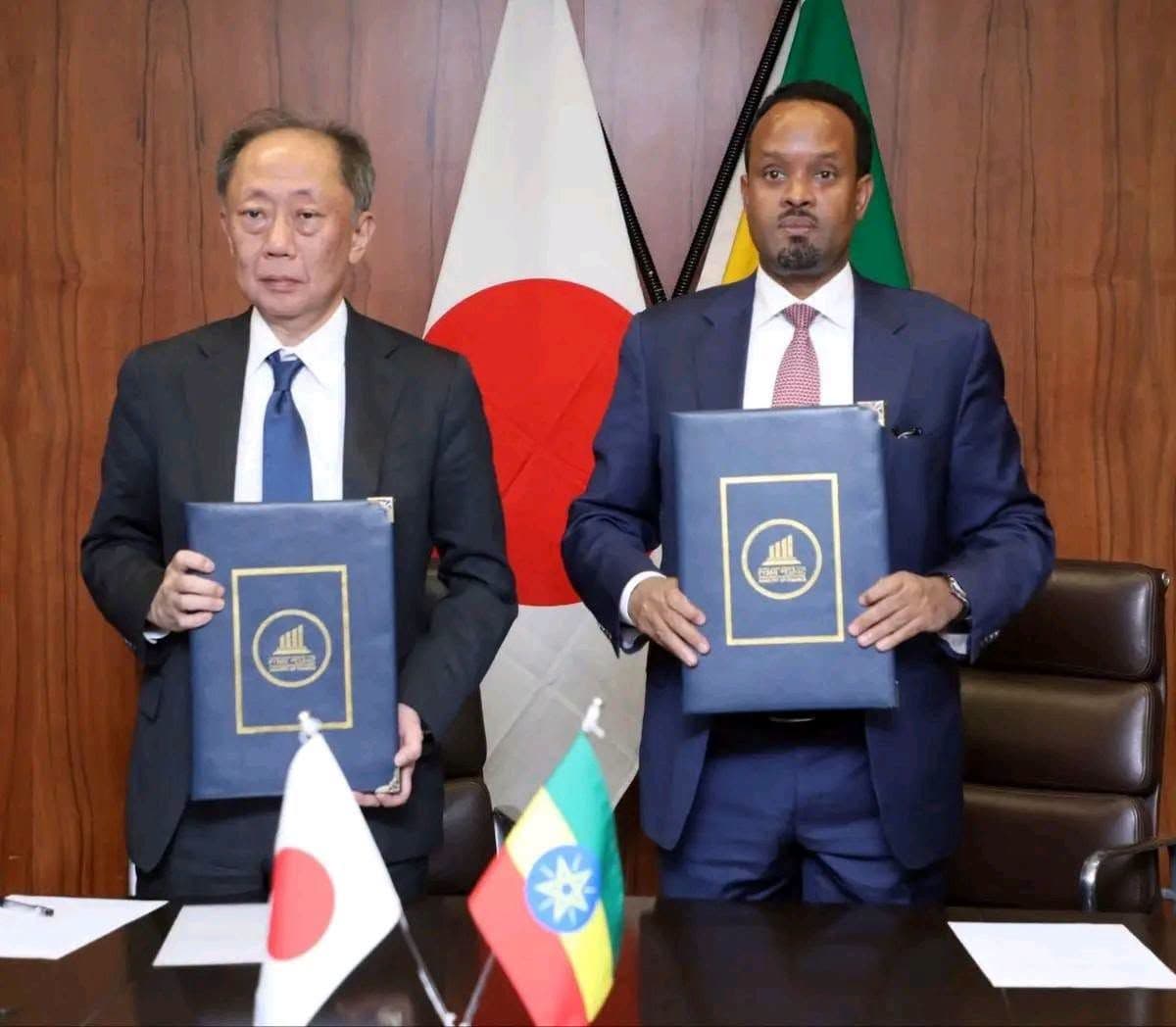
The governments of Ethiopia and Japan formalized a bilateral grant agreement totaling JPY 360 million—equivalent to approximately ETB 375 million or US$2.3 million—aimed at advancing the mechanization of Ethiopia's domestic rice sector.
The agreement was executed through an Exchange of Notes in Addis Ababa on September 30, 2026. The signing brought together senior representatives from both nations, including Ethiopia's Minister of Finance Ahmed Shide, Japan's Ambassador to Ethiopia Shibata Hironori, and Japan International Cooperation Agency (JICA) Ethiopia Office Chief Representative Hiroyuki Yakushi. Provided under Japan's Economic and Social Development Programme, the financial grant is structured to support Ethiopia’s broader agricultural development and modernization agenda.
Machinery Deployment Targeting Post-Harvest and Field Inefficiencies
Under the terms of the grant, the funding will be utilized to procure and deploy more than 50 units of essential agricultural machinery. The equipment list includes combine harvesters, tractors, land-preparation equipment, and specialized rice-milling machines.
The targeted capital injection focuses specifically on critical bottlenecks within the grain handling chain. By supplying mechanization equipment for both field operations and post-harvest handling, the program seeks to upgrade land preparation, streamline harvesting efficiency, enhance the quality of processed rice, and significantly curb post-harvest losses that currently affect domestic grain yields.
Domestic Demand Shifts and Heavy Reliance on Foreign Grain
The intervention comes at a critical juncture for Ethiopia’s food grain market balance. Currently, domestic producers supply only about 20% of the country’s total rice consumption, leaving the nation dependent on international imports to fulfill roughly 80% of its requirements.
This structural deficit is compounded by shifts in local dietary habits and consumer demand. Elevated domestic market prices for teff, a traditional staple cereal in Ethiopia, have increasingly led households to substitute teff with rice. This dietary transition has steadily expanded national rice consumption volumes, thereby reinforcing the imperative to increase local production capacity and reduce exposure to foreign commodity supply lines.
Production Scale-Up Under the National Rice Development Strategy
The newly funded machinery program directly integrates into Ethiopia’s Second National Rice Development Strategy (NRDS-II, 2019–2030). The long-term policy framework establishes an ambitious path toward total national self-sufficiency in rice.
Under NRDS-II, the Ethiopian government targets an increase in national paddy rice production to 1.93 million tonnes by 2030. Achieving this target represents an extensive ramp-up from the 276,000 tonnes of paddy harvested in 2021. Upgrading processing infrastructure and field mechanization through bilateral agreements forms a foundational element of the country's broader strategy to expand domestic supply and replace reliance on imported grains.
Related Articles
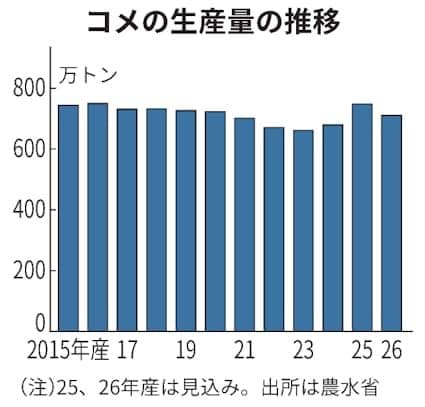
Japan's Rice Crossroads: The Unending Quest for Balance in the Paddy Fields
Japan's Rice Crossroads: The Unending Quest for Balance in the Paddy Fields

Beyond the Baht: Navigating the Future of Thai Rice in a Shifting Landscape
Beyond the Baht: Navigating the Future of Thai Rice in a Shifting Landscape

The Unseen Hand in Japan's Rice Fields: Decoding Minister Suzuki's Market-Driven Agrifood Vision
The Unseen Hand in Japan's Rice Fields: Decoding Minister Suzuki's Market-Driven Agrifood Vision

Beyond the Bailout: Charting Stability for Thailand's Agricultural Backbone