
EU and IFAD Launch €14 Million Agroecological Horticulture Initiative Across Southern Africa
The European Union and IFAD have launched the €14 million ATHAZ program to strengthen smallholder horticultural value chains across Zimbabwe, Zambia, and Botswana.
Launch of the ATHAZ Program in Southern Africa
On October 8, 2026, the European Union (EU) and the International Fund for Agricultural Development (IFAD) officially launched a €14 million agricultural initiative in Zimbabwe titled Agroecological Transitions for Horticulture in Arid Zones (ATHAZ).
The program is designed to advance sustainable agricultural production and support smallholder farming systems across three Southern African nations: Zimbabwe, Zambia, and Botswana. Funded with €14 million from the EU, the ATHAZ initiative is scheduled to run through 2030, directing resources toward climate resilience, sustainable resource management, and commercial integration for small-scale growers operating in arid and semi-arid landscapes.
Target Demographics and Smallholder Reach
The ATHAZ program directs support toward smallholder farming communities facing environmental constraints in the region. Across Zimbabwe, Zambia, and Botswana, the project aims to reach approximately 15,000 households, representing an estimated population of 75,000 individuals.
By focusing on smallholder horticultural producers, the initiative addresses critical bottlenecks in local and regional food production. The structured outreach seeks to integrate resource-constrained rural producers into more resilient farming setups, enhancing their capacity to maintain consistent production cycles under dryland conditions.
Core Agroecological Interventions and Field Practices
To build long-term operational resilience, the ATHAZ initiative concentrates on testing and scaling targeted agroecological solutions tailored to arid zones. Interventions focus on core technical areas:
- Water Efficiency: Testing and implementing water management technologies designed to optimize constrained water resources in dry production zones.
- Resilient Seed Systems: Establishing robust, locally adapted seed supply systems to ensure reliable access to drought-tolerant crop varieties.
- Integrated Pest Management (IPM): Introducing ecologically sound crop protection methods to manage pests without over-reliance on chemical inputs.
These practices are combined with structured capacity-building to support smallholders in transitioning from vulnerable farming approaches to stable, agroecologically sound cultivation.
Innovation Hubs and Value Chain Integration
A central structural component of the ATHAZ program is the establishment of nine dedicated 'innovation hubs' distributed across Zimbabwe, Zambia, and Botswana. These facilities are designed to serve as focal points for testing practices, sharing technical knowledge, and deploying agroecological methods at the field level.
Alongside localized research and testing, the program prioritizes commercial integration by strengthening 30 distinct horticultural value chains. By connecting production improvements directly to distribution and market linkages, the initiative aims to enhance market connectivity and ensure that smallholder yields can effectively enter commercial supply streams through 2030.
Related Articles
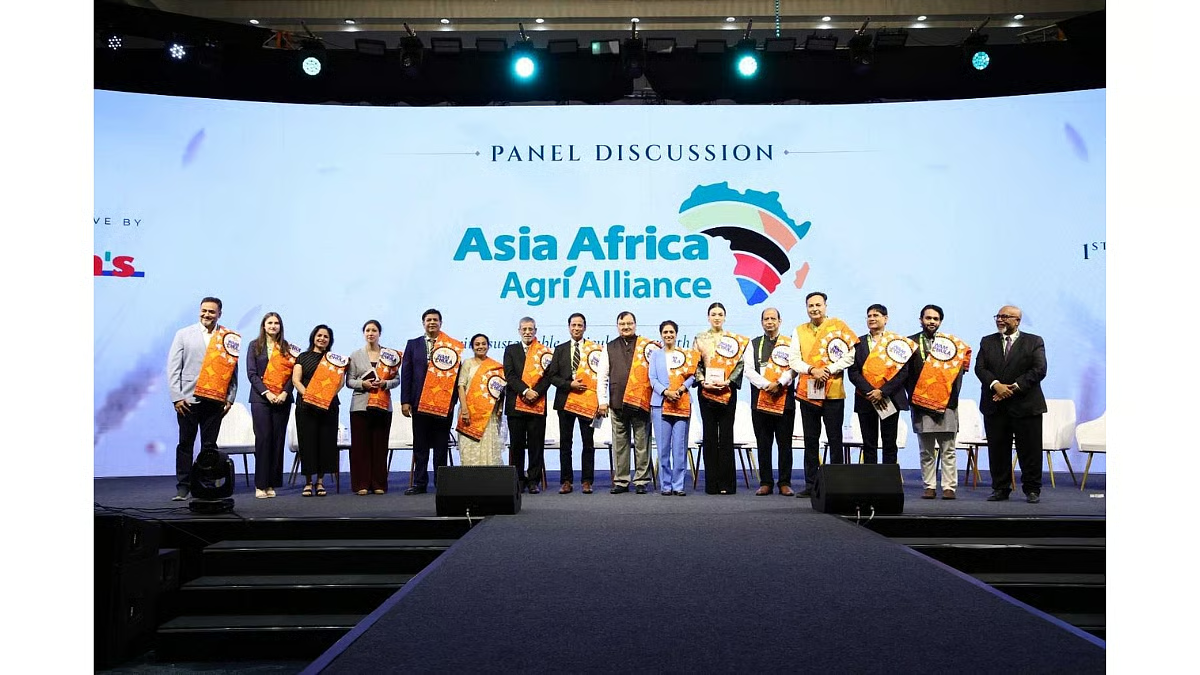
Asia Africa Agri Alliance Highlights Bilateral Trade and Processing Investments at GLOBOIL India 2026
Asia Africa Agri Alliance Highlights Bilateral Trade and Processing Investments at GLOBOIL India 2026
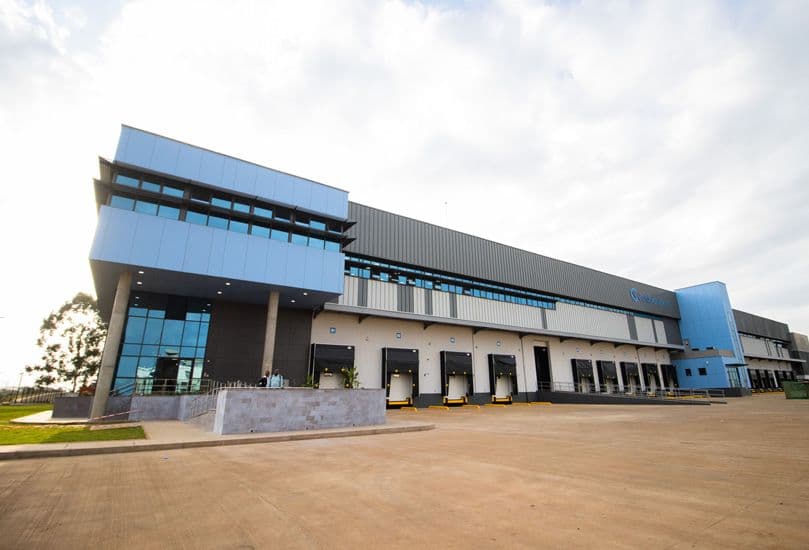
EU and Netherlands Back €30 Million Cold-Chain Rail Hub in Naivasha to Boost East African Produce Trade
EU and Netherlands Back €30 Million Cold-Chain Rail Hub in Naivasha to Boost East African Produce Trade

A Path to Renewal: Unlocking Greece's Resilient North with the Thessaly-Evros Pass
A Path to Renewal: Unlocking Greece's Resilient North with the Thessaly-Evros Pass
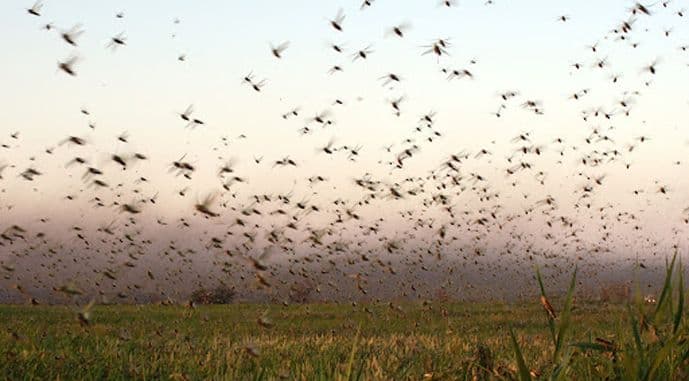
Whispers on the Wind: Ukraine's Locust Surge and the Unforeseen Harvest of Conflict