
EU Reaches Deal to Extend Third-Country Organic Equivalence to 2036 and Raise Small Operator Exemptions
The EU Council and Parliament have agreed to extend organic equivalence recognition for 11 third countries until 2036 while doubling small operator exemption thresholds.
Long-Term Extension for Third-Country Organic Equivalence
On October 20, 2026, the European Council and the European Parliament reached a provisional agreement on updated measures designed to govern organic farming and trade. A central component of this political accord is the extension of organic standard equivalence recognition for 11 third countries until December 31, 2036.
This decision provides a regulatory framework for agricultural trade between the European Union and the 11 recognized non-EU partner nations. By extending the recognition of equivalent production and inspection standards through the end of 2036, the agreement aims to maintain continuity for organic import streams originating from these third countries under established equivalence arrangements.

Expanded Exemption Thresholds for Small Organic Operators
The provisional deal also updates the compliance framework for small-scale organic market participants within the EU by significantly widening the criteria for certification exemptions.
Under the agreed text, the annual turnover threshold for exempting small operators from certain certification obligations has been doubled, increasing from €20,000 to €40,000. In tandem with the financial limit, negotiators agreed to raise the maximum annual sales volume threshold from 5,000 kilograms to 10,000 kilograms.
Furthermore, the revised rules address modern distribution channels by extending eligibility for certification exemptions to small online retailers that sell pre-packed organic products, provided they meet specific regulatory conditions.
Stricter Conditions for Using the EU Organic Logo on Imports
While the provisional agreement extends market access arrangements for equivalent third countries, it introduces specific conditions regarding product labeling and presentation.
Under the agreed measures, imported organic products coming from countries with equivalent systems will not automatically be permitted to carry the official EU organic logo. Instead, these imported goods may only display the EU organic logo if they comply with additional European Union production and monitoring requirements beyond baseline equivalence.
Related Articles
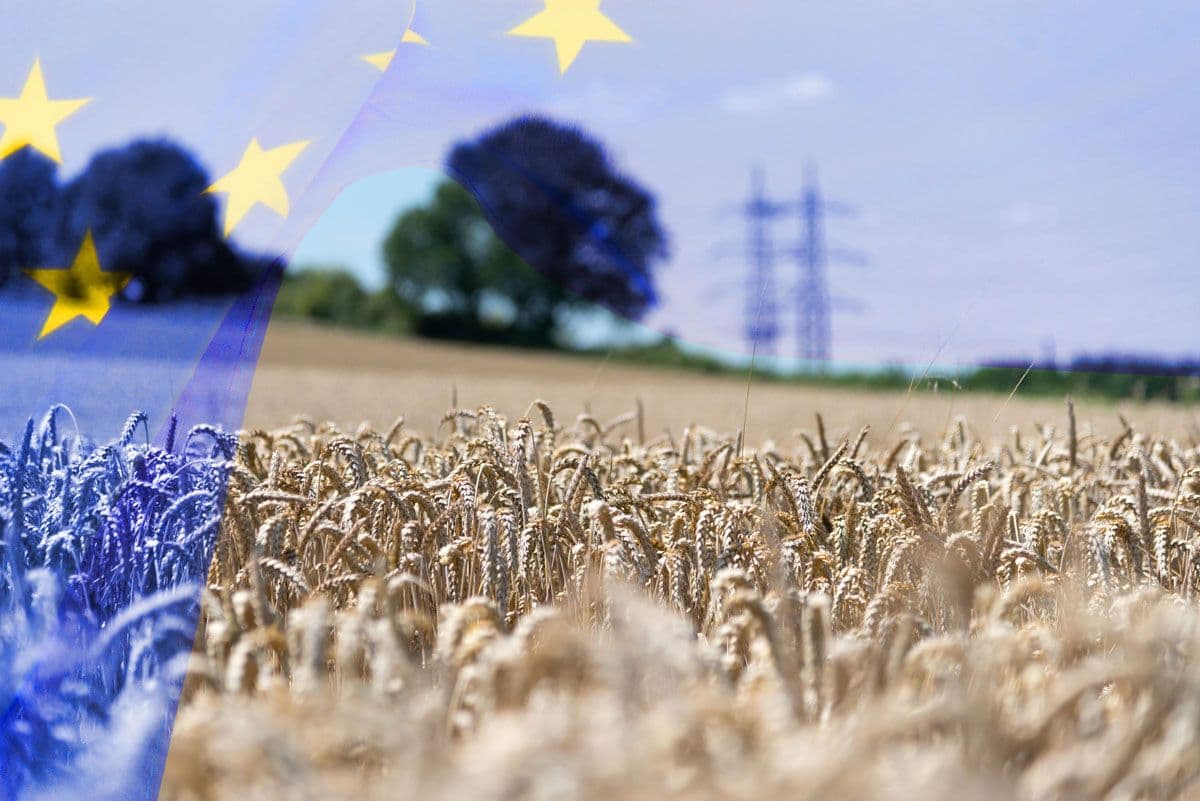
EU Reaches Agreement to Extend Third-Country Organic Equivalence to 2036 and Adjust Certification Rules
EU Reaches Agreement to Extend Third-Country Organic Equivalence to 2036 and Adjust Certification Rules

EU Council and Parliament Strike Provisional Deal on Updated Organic Farming and Trade Rules
EU Council and Parliament Strike Provisional Deal on Updated Organic Farming and Trade Rules
EU Council Adopts Negotiating Stance on Post-2027 Agricultural CMO Framework
EU Council Adopts Negotiating Stance on Post-2027 Agricultural CMO Framework

EU Council Adopts Negotiating Stance on 'Technical Zero' Pesticide Residue Limits for Agricultural Imports