
EU Suspends Namibian Meat Imports Following Foot-and-Mouth Disease Outbreak
The EU suspended imports of fresh meat and select processed products from Namibia on October 5, 2026, after a foot-and-mouth disease outbreak in the Karasburg district.
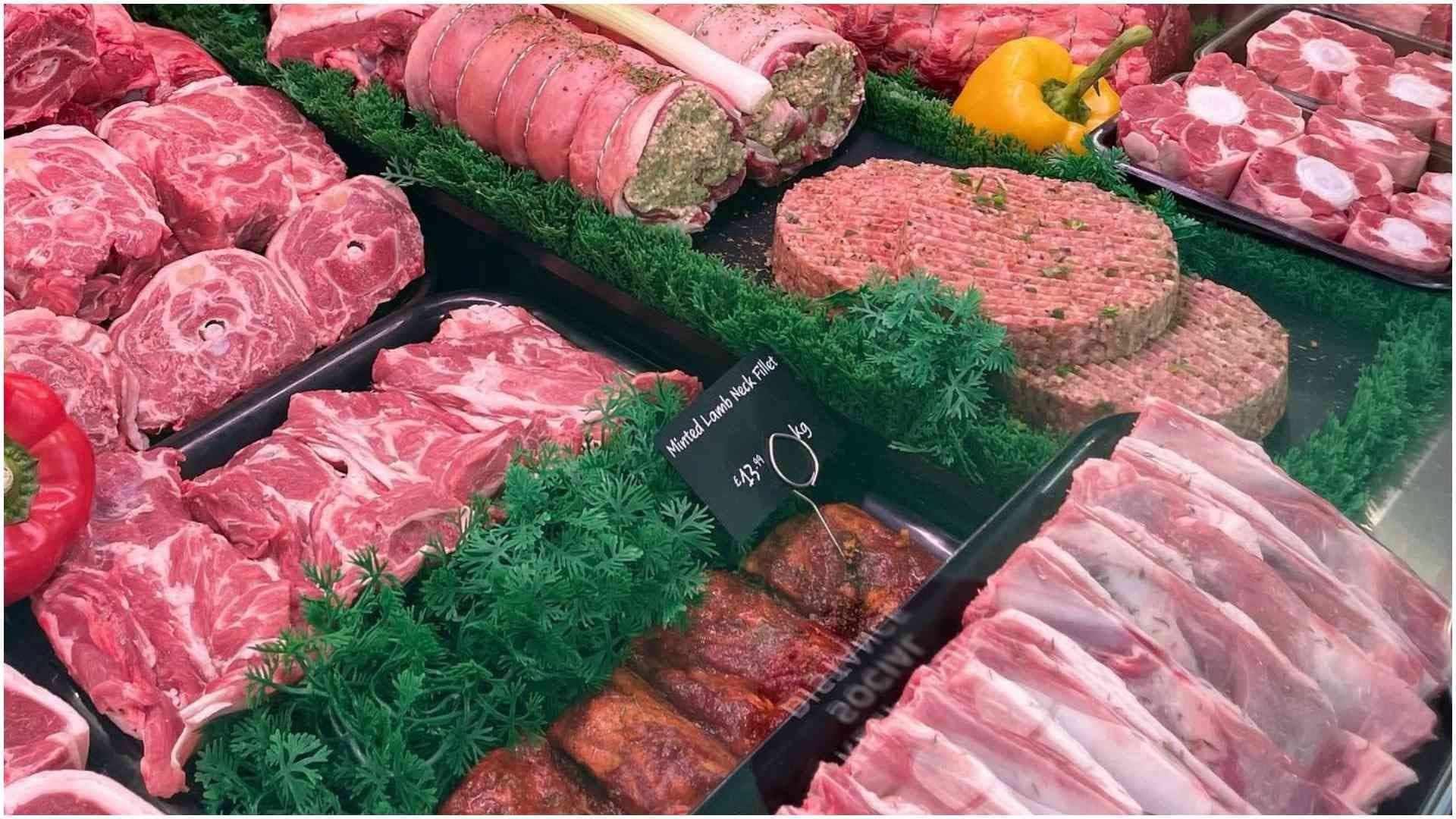
European Union Enacts Import Ban on Namibian Fresh Meat
The European Union has officially suspended imports of fresh meat and specific processed meat products originating from Namibia, effective October 5, 2026. The regulatory measure targets consignments of fresh beef, sheep, and goat meat, as well as specific processed products such as biltong and jerky.
The suspension was instituted by European authorities to safeguard animal health following epidemiological risks identified within the southern African nation. Under the current restrictions, standard commercial flows of fresh livestock cuts to the European market are paused while sanitary and animal health parameters are evaluated.
Karasburg Outbreak and Multilateral Status Adjustments
The veterinary restrictions follow a confirmed outbreak of foot-and-mouth disease (FMD) detected on a commercial farm situated within the Karasburg State Veterinary District. The outbreak was officially confirmed on September 23, 2026.
Preceding the formal confirmation of the outbreak on the commercial premises, the World Organisation for Animal Health (WOAH) suspended Namibia's FMD-free status for the affected zone, with the status change taking effect on September 22, 2026. The multilateral reclassification by WOAH triggered immediate biosecurity assessments among Namibia's international trading partners, culminating in the EU's market closure for fresh ruminant products from the region.
Trade Exposure and Provisions for Processed Products
The import suspension carries critical implications for the Namibian livestock export sector, given that the European Union accounts for more than 80 percent of Namibia's total beef exports. The disruption impacts the primary channel for the country's high-value fresh meat outbound trade.
Despite the strict ban on fresh beef, sheep, goat meat, and traditional dried products like biltong and jerky, European trade directives provide specific regulatory carve-outs. Processed meat that has undergone severe risk-mitigating treatment, as prescribed under EU legislation, remains eligible for import into the bloc. These treatments ensure that pathogen transmission risks are managed in compliance with EU standards, allowing qualifying industrial processed goods to maintain market access amidst the broader suspension on fresh product flows.
Related Articles
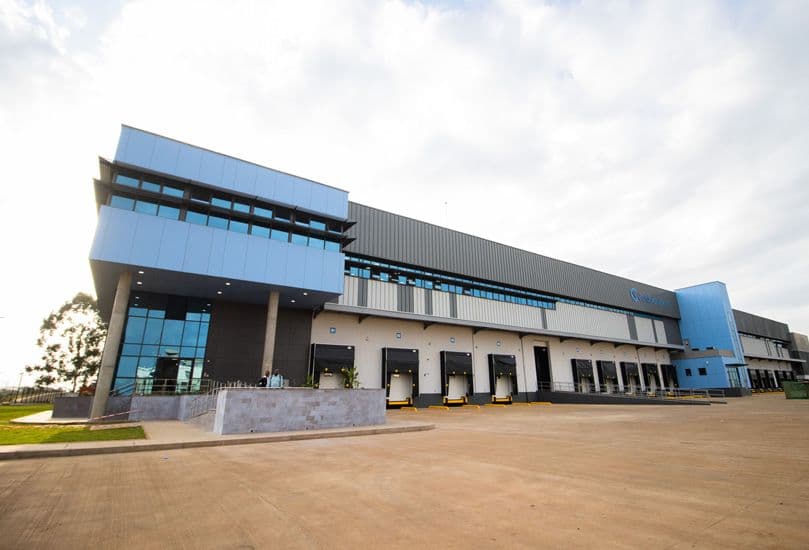
EU and Netherlands Back €30 Million Cold-Chain Rail Hub in Naivasha to Boost East African Produce Trade
EU and Netherlands Back €30 Million Cold-Chain Rail Hub in Naivasha to Boost East African Produce Trade

EU Council Adopts Negotiating Stance on 'Technical Zero' Pesticide Residue Limits for Agricultural Imports
EU Council Adopts Negotiating Stance on 'Technical Zero' Pesticide Residue Limits for Agricultural Imports

UK-EU SPS Negotiations: Official Regulatory Framework Points to Mid-2027 Dynamic Alignment
UK-EU SPS Negotiations: Official Regulatory Framework Points to Mid-2027 Dynamic Alignment
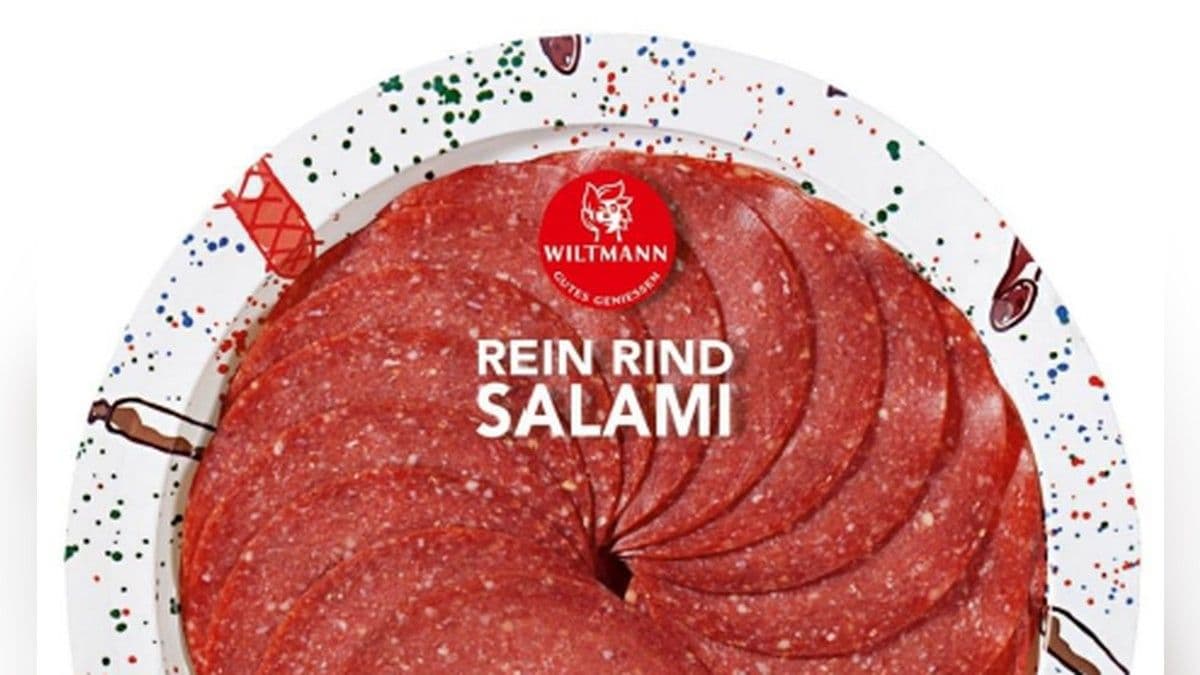
More Than Just a Recall: Unpacking the Wiltmann Salami Incident's Broader Implications