
Eurasia's Quiet Giant Awakens: The SCO's Moment for Economic Transformation
Discover the SCO's quiet transformation. Learn how its unique consensus model and new financial engine could redefine economic cooperation across Eurasia.
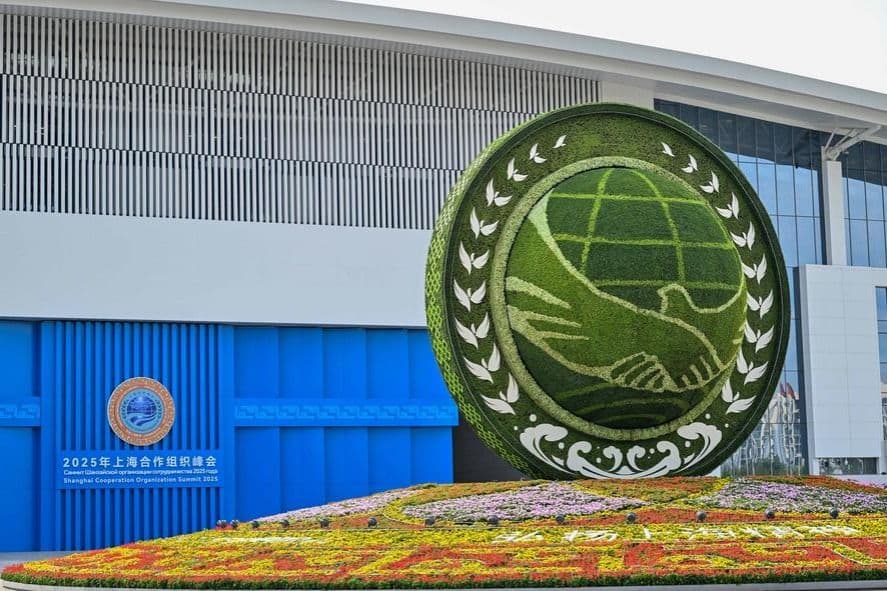
The Crossroads of Opportunity: Unpacking SCO's Economic Ambition
The recent Shanghai Cooperation Organization summit in Tianjin wasn't just a spectacle of flawless organization; it marked a pivotal moment for the SCO's economic future. As the organization approaches its 25th anniversary, its journey from a regional initiative to a global force has been driven by the unwavering commitment of its ten member states, all united by the 'Shanghai Spirit' of mutual trust and equality. While critics have sometimes pointed to modest trade and economic results over the past two decades, the message emanating from Tianjin is undeniably clear: the conditions for a significant economic breakthrough are ripe, and the political will to act is now firmly in place.
Key strategic initiatives, such as the Economic Development Strategy up to 2030, are now moving from concept to concrete action. We're seeing proposals for a green economic region platform, a unified SCO tourism brand, and serious negotiations to streamline trade procedures. Perhaps most crucially, the long-debated idea of an 'SCO Development Bank' finally received the political green light, signaling a readiness to build a robust financial engine tailored to its unique needs. This isn't just about reacting to a fragmented global economy; it’s about proactively forging a distinct path for Eurasian integration, ensuring that Eurasia, as the SCO's heartland, can fully realize its massive economic potential.

Harmony in Differences: How Consensus Fuels SCO's Unique Approach to Growth
The SCO's deliberate, consensus-driven methodology, often perceived as slow, is in fact its profound strength, laying the foundation for truly sustainable and inclusive economic growth. Unlike traditional alliances or ideologically driven blocs, the SCO has consistently positioned itself as a non-confrontational entity, working collaboratively with international organizations like the rather than against them. This commitment to mutual respect allows countries of diverse sizes and systems to not only coexist but to thrive together, embodying the ancient wisdom that 'the noble find harmony in differences.'
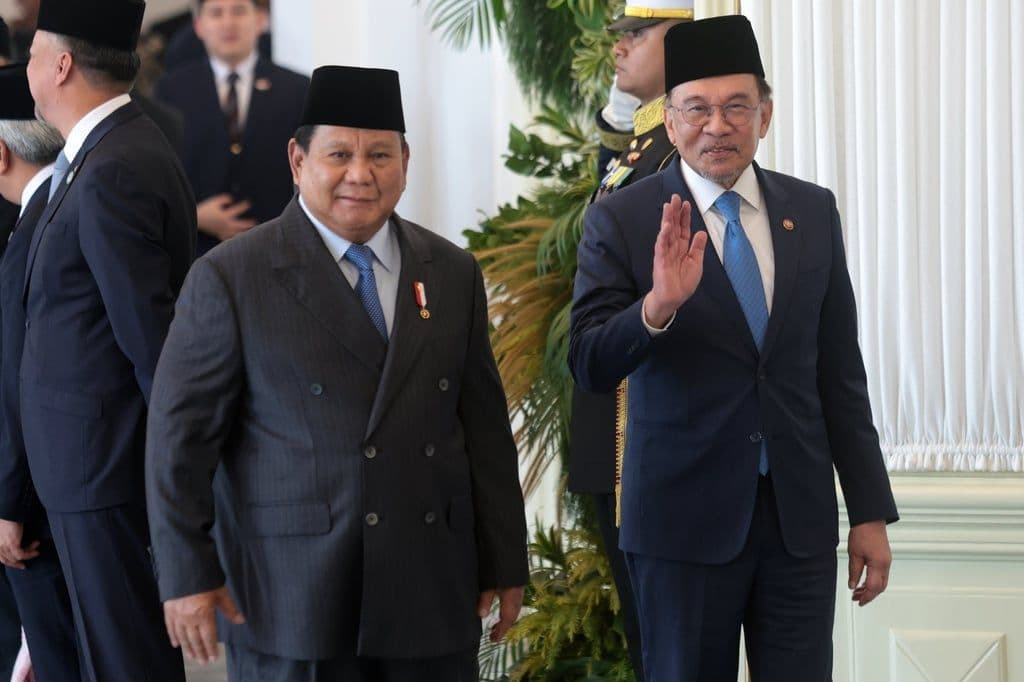
Every decision within the SCO is made by consensus, a process that, while perhaps not always rapid, guarantees fairness, inclusion, and, most importantly, unity among its 27-country community, which spans a quarter of the Earth's landmass and nearly half the world's population. This unique approach has enabled the SCO to quietly build one of the planet's largest regional cooperation systems, with its member states now accounting for roughly 24 percent of global GDP, growing at an impressive 5.5 percent annually. The symbolic image of leaders like , , and at Tianjin, standing together, subtly underscored this internal cohesion and shared vision for a new kind of partnership.
Blueprint for Prosperity: Strategic Initiatives Beyond the Summit Table
Beyond the high-level pronouncements and symbolic handshakes, the SCO is translating its unique approach into tangible strategic initiatives designed to foster deeper economic integration. Numerous cooperation mechanisms already exist at ministerial levels, with over half dedicated to trade and commerce. However, the call from Tianjin emphasized moving beyond policies to concrete, mutually beneficial, on-the-ground projects. A prime example is the 2014 intergovernmental agreement that mapped six transcontinental road transport routes, boldly connecting points like to – a vision still awaiting full realization but representing the kind of ambitious infrastructure necessary.
SCO institutions like the Business Council and Interbank Consortium are working to attract capital and foster business ties, though their impact is acknowledged to be limited so far. The recently adopted SCO Development Strategy up to 2035, however, is a landmark, clearly stating the organization's intent to chart its own course, not as a military alliance or a supranational economic union. This strategy, alongside the 2030 Economic Development Strategy, highlights initiatives from green economic platforms to a unified tourism brand, signaling a renewed push for innovation and breakthrough solutions to overcome past criticisms of modest economic results.
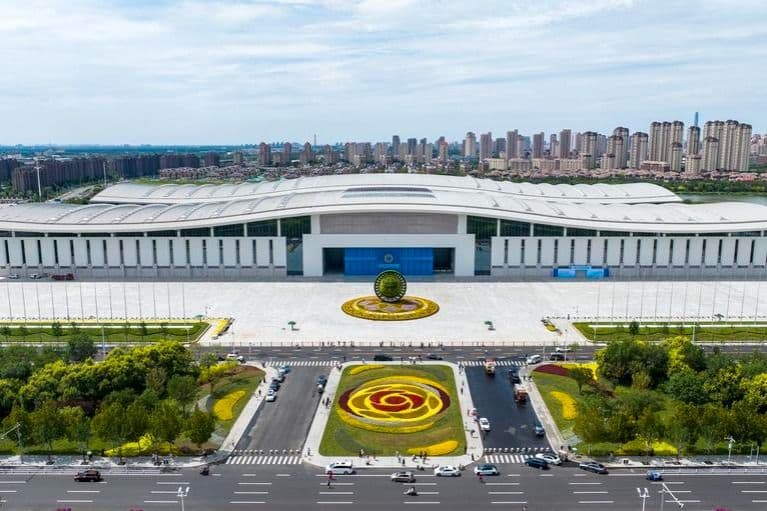
Powering Progress: The Critical Role of the SCO Development Bank
The political decision at Tianjin to finally move forward with the marks a watershed moment, ending nearly two decades of debate. In a world increasingly defined by fragmented economies and exclusive trade blocs, establishing its own financial engine is not merely advantageous; it's absolutely crucial for the SCO to realize its ambitious economic strategies. This bank will be instrumental in funding the large-scale, mutually beneficial projects that are essential for deeper Eurasian integration, learning from the experiences of BRICS and other multilateral organizations to avoid common pitfalls.
This isn't just about financing; it's about enabling a structural shift. The bank will play a vital role in facilitating infrastructure development and energy deals, like the recently finalized pipeline between and , which will deliver over 100 billion cubic meters of gas annually. Such projects are actively creating a 'sanctions-proof circuit' across Eurasia, underscoring how external pressures have, paradoxically, catalyzed an alternative economic geography. The Development Bank is set to become the indispensable tool for turning the SCO's blueprints for prosperity into tangible realities, ensuring the political will from Tianjin translates into sustained economic action.
Beyond Fragmentation: Charting Eurasia's Path to a Unified Economic Future
The SCO's journey, culminating in the decisive summit, signifies a determined pivot towards a unified Eurasian economic future. By embracing its deliberate, consensus-driven 'Shanghai Spirit,' the organization is not merely responding to global fragmentation but actively forging a new paradigm for integration. The commitment to a non-confrontational stance, coupled with strategic initiatives like the green economic region platform and the unified tourism brand, demonstrates a proactive approach to building an inclusive economic landscape.
The creation of the SCO Development Bank is the linchpin in this vision, providing the necessary financial architecture to propel ambitious projects and overcome historical limitations. This comprehensive strategy, from enhanced road transport agreements to fostering real, on-the-ground projects, underscores the SCO's resolve to chart its own course—one that prioritizes win-win progress and the harmonious coexistence of diverse systems. The message from Tianjin resonates clearly: the political will is robust, and the conditions are set for action. As the SCO moves beyond fragmentation, it is poised to become a long, distinguished, and influential force, cementing a new era of economic integration across Eurasia.
Related Articles
Navigating the Storm: Indonesia & Malaysia's Bold Play for Palm Oil Sovereignty
Navigating the Storm: Indonesia & Malaysia's Bold Play for Palm Oil Sovereignty
From Barter to Blockchain: Unveiling the Human Spirit of Modern Commerce
From Barter to Blockchain: Unveiling the Human Spirit of Modern Commerce

Singapore's Perpetual Pulse: Decoding the City-State's Sixty-Year Playbook for Global Relevance
Singapore's Perpetual Pulse: Decoding the City-State's Sixty-Year Playbook for Global Relevance
Malaysia's Triple Play: Navigating Global Headwinds, Green Gold, and Homefront Harmony