
Europe's Silent Reckoning: Unpacking the Decade-High Bond Yields and Future Shockwaves
Explore Europe's decade-high bond yields: what drives them, their ripple effect on economies, and the ECB's challenge. Understand the silent shifts shaping Europe's financial future.
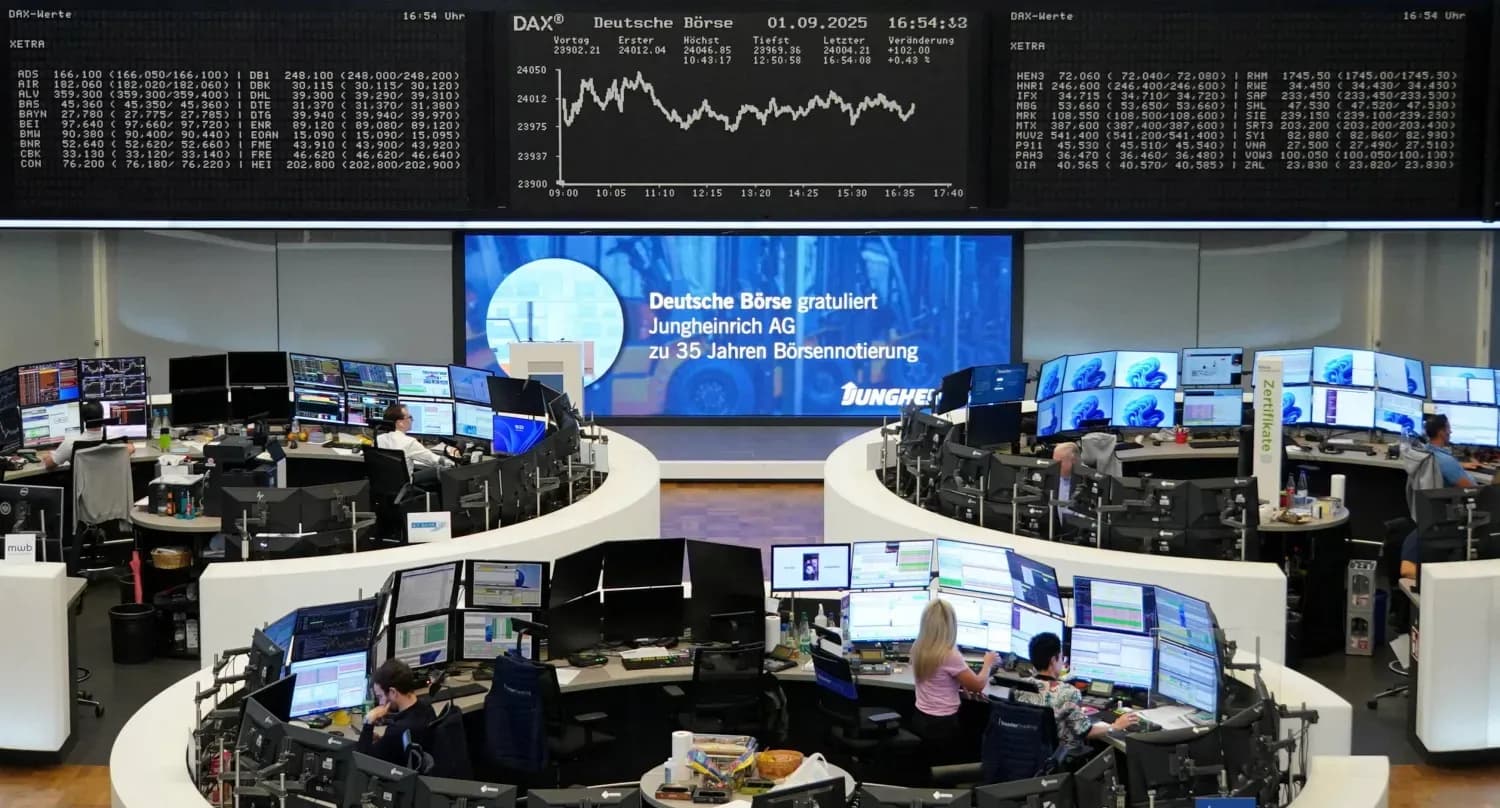
The Echoes of a Decade: Europe's Surging Long-Term Bond Yields
Europe's financial landscape is experiencing a profound tremor, one that's been quietly building for over a decade. Long-term bond yields across the have been on a relentless ascent, reaching levels not seen since 2011. This isn't just a fleeting market blip; it's a significant shift. For instance, the yield recently climbed to 3.39%, while its 10-year counterpart, a crucial benchmark, settled at 2.77%. These figures represent more than just numbers on a screen; they underscore a growing unease among investors. What's driving this heightened anxiety? A primary concern revolves around the long-term debt sustainability of numerous European and indeed, global nations. As traders keenly await fresh inflation data, the continuous rise in these yields serves as a potent reminder that the era of ultra-cheap borrowing might be definitively over, ushering in a new chapter for public finances and economic planning across the continent.

More Than Just Numbers: The Forces Behind the Yield Ascent
Peeling back the layers, the forces propelling these bond yields upwards are a complex interplay of domestic and international pressures. A critical factor is the evolving inflation outlook within the . While national data suggests inflation is generally hovering near the 's 2% target, the market remains on edge. Policymakers like have openly warned that inflation could exceed the ECB's projections in the coming months, bolstered by a surprisingly resilient economy, even in the face of external challenges like . Adding to this dynamic, the global monetary policy landscape, particularly the actions of the , continues to exert influence, prompting traders to re-evaluate their positions. The itself, having concluded a year-long easing cycle in July, finds itself in a delicate position, with market pricing still hinting at potential future rate cuts despite policymakers' cautious stance.

From Balance Sheets to Households: The Ripple Effect of Expensive Debt
The steady climb in bond yields isn't confined to the abstract world of financial markets; its tendrils stretch deep into the real economy, impacting everything from national balance sheets to household budgets. For governments, higher yields translate directly into increased borrowing costs, making it more expensive to finance public services, infrastructure projects, and existing debt. This can strain national budgets, potentially leading to difficult choices between austerity measures and increased taxation. Businesses, too, feel the pinch, as corporate borrowing becomes pricier, potentially stifling investment, expansion, and job creation. Ultimately, these costs trickle down to everyday citizens. Higher government and corporate borrowing costs can contribute to increased prices for goods and services, while households directly face the burden of more expensive mortgages and consumer credit. This shift toward an era of more expensive debt represents a fundamental recalibration, demanding greater fiscal discipline and strategic financial planning across the board.

The Central Bank's Tightrope: Navigating Stability Amidst Shifting Sands
At the heart of Europe's economic recalibration stands the , navigating a precarious tightrope walk. has confidently asserted that the bank has achieved price stability, vowing to do "whatever is necessary" to keep inflation in check and maintain the 2% target. Yet, the path ahead is fraught with complexity. While many policymakers express comfort with the current interest rate, warnings from figures like about potential inflation overshoots highlight the ongoing vigilance required. The market, despite the ending its easing cycle, still anticipates further rate cuts in the coming months, creating a divergence in expectations. This delicate balance requires the to manage inflation, support economic resilience, and guide market sentiment, all while external factors, such as the moves, continue to influence bond yields, including the sensitive two-year German bond.

Beyond the Horizon: What the Future Holds for European Debt Markets
As Europe grapples with this new reality of elevated bond yields, the future of its debt markets hinges on several critical factors. The resilience of the European economy, frequently lauded by officials despite global headwinds like and geopolitical conflicts, offers a glimmer of hope. However, the path isn't entirely clear. Investor sentiment remains fluid, with uncertainty lingering over whether the remainder of the year will bring further rate cuts, even if economists tentatively pencil in one final reduction. External pressures, such as potential political interference with central banks, as warned by figures like regarding the , could introduce new volatility. The ongoing saga of , while separate, also underscores the broader regional fragility. Ultimately, Europe is entering an era defined by a recalibrated monetary policy, where debt will be intrinsically more expensive. This necessitates a proactive approach to fiscal management and a keen eye on both internal economic indicators and the unpredictable currents of global finance.
Related Articles

Beyond the Numbers: Unraveling the True Impact of Trump's Global Tariff Gambit
Beyond the Numbers: Unraveling the True Impact of Trump's Global Tariff Gambit

The Reluctant Anchor: Gold's Price as a Pulse Check on Global Stability
The Reluctant Anchor: Gold's Price as a Pulse Check on Global Stability

The Continent's Breath: How Europe's Climate Choreographs Life, Landscapes, and Futures
The Continent's Breath: How Europe's Climate Choreographs Life, Landscapes, and Futures

The Producer Price Puzzle: Unmasking the Stealthy Drivers of Future Consumer Strain