
Global Rice Benchmark Hits Two-Year High as El Niño Threatens Asian Output
Thai white rice prices reached $499 per tonne as El Niño drought strains Asian yields, pushing Chicago futures up over 80% and impacting key import markets.
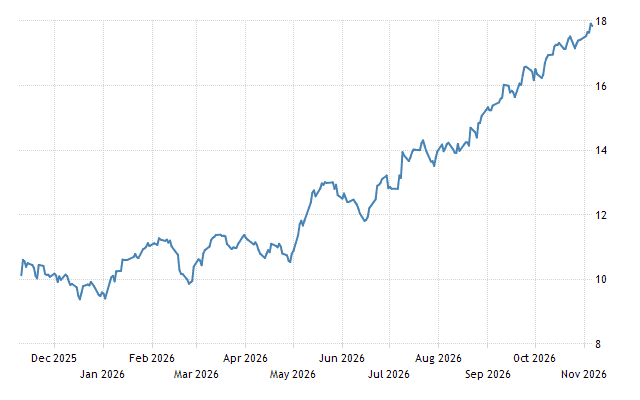
Benchmark Export Prices Reach Multi-Year Peak
International rice trade indicators have climbed to their highest marks in nearly two years, driven by mounting supply constraints across key exporting origins in Asia. On November 4, 2026, the export quotation for Thai 5% broken white rice—recognized as an indicative benchmark for the global physical trade—reached $499 per tonne.
This valuation represents the highest price recorded for the grade since December 2024. The price trajectory reflects persistent supply concerns originating in major Asian production hubs, where weather-driven disruptions have increasingly tightened export availability and prompted international buyers to reassess physical balance sheets.
El Niño Climate Pattern Strains Asian Cultivation
The fundamental driver behind the current price escalation is the ongoing El Niño weather phenomenon. The climate cycle has generated severe rainfall deficits and prolonged drought conditions across South and Southeast Asia, threatening crop yields in the world's most significant rice-producing regions.
Agricultural regions in these territories rely heavily on consistent precipitation patterns during the growing season. With moisture levels compromised by rainfall shortages and drought, concerns over field development and final yields have translated directly into market tension, limiting regional supply expectations and fueling upward price momentum.
International Forecasts Signal Decade-First Production Contraction
Official outlooks from major agricultural monitors indicate that weather-induced disruptions could have historically significant consequences for total volume output. Both the United States Department of Agriculture (USDA) and the Food and Agriculture Organization (FAO) forecast that global rice production may register a decline for the first time in over a decade.
This anticipated contraction highlights the severity of the adverse weather conditions affecting key growing territories. A prospective drop in global output after more than ten years of sustained expansion presents severe headwinds for global food balances and commodity distribution networks.
Surging Futures and Severe Consumer-Market Pressures
The supply strains observable in physical cash markets have been mirrored and amplified across derivative platforms and import destinations. On the Chicago exchange, rough rice futures have climbed by more than 80% since the start of 2026, underscoring substantial financial and speculative adjustments to the deteriorating production outlook.
Simultaneously, the shockwaves of tight global supplies are impacting domestic retail markets among major destination countries. In the Philippines, the world's largest rice importer, retail prices for rice surged by 21% year-on-year in October 2026. This escalation illustrates the direct transmission of elevated global prices into critical import markets heavily dependent on cross-border grain flows.
Related Articles

Global Benchmark Asian Rice Prices Climb to Two-Year High on Output Disruptions
Global Benchmark Asian Rice Prices Climb to Two-Year High on Output Disruptions

Global Rice Prices Consolidate at Elevated Floor Following October Rally
Global Rice Prices Consolidate at Elevated Floor Following October Rally
Asian Export Rice Prices Rise Across Key Origins Amid Production and Logistics Constraints
Asian Export Rice Prices Rise Across Key Origins Amid Production and Logistics Constraints

Asian Rice Export Prices Hold Firm Amid Tight Regional Supply and Weather Vulnerabilities