
Grounded Guardians: The Unseen Costs When Europe's Canadairs Fall Silent
Portugal's grounded Canadairs reveal critical aerial firefighting reliance. Unpack the complexities of fleet readiness, maintenance challenges, and international aid in wildfire combat.
Portugal's Fiery Summer: A Crisis of Absence
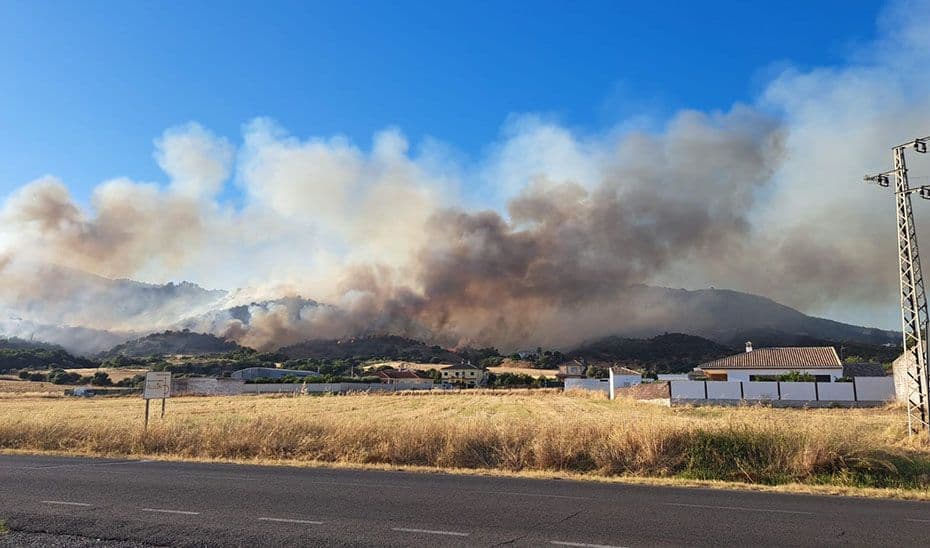
As Europe grapples with increasingly severe wildfire seasons, the summer of 2025 presented with a stark reminder of its strategic vulnerabilities. A critical situation unfolded across the nation's central and northern regions, where massive wildfires raged, consuming nearly 60,000 hectares of land that year, with a staggering 15,000 hectares lost in just a single weekend. Fires in Covilhã, Trancoso, Tabuaço, and Vila Real stretched emergency services to their limits, with the mayor of Vila Real lamenting his municipality being "consumed in a slow burn." Yet, at this most critical juncture, entire fleet of three leased firefighting aircraft was grounded. The Ministry of Internal Administration confirmed these vital aerial assets were unavailable due to technical failures, requiring urgent intervention. This sudden void left ground crews, numbering over 1600 personnel supported by hundreds of vehicles, fighting an uphill battle against wind-whipped flames and challenging terrain, highlighting a profound crisis of aerial support when it was most desperately needed.
The Aquatic Warriors: Understanding Canadair's Indispensable Role
The absence of Canadair fleet underscored just how indispensable these 'aquatic warriors' are in the modern aerial firefighting arsenal. Unlike other aerial assets, are purpose-built for rapid water scooping from lakes, rivers, or the sea, allowing them to deliver massive payloads of water or retardant onto a fire front with exceptional speed and efficiency. Their ability to quickly reload and return to action provides a sustained, high-volume attack that ground crews simply cannot replicate, especially in difficult-to-reach or rapidly spreading infernos. They are the heavy artillery of wildfire combat, capable of dousing large areas and creating critical firebreaks. When these aircraft are operational, they offer a decisive advantage, often turning the tide against blazes that would otherwise overwhelm conventional response efforts. The sheer scale of the fires in , consuming vast tracts of forest and scrub, illustrated precisely why these specialized planes aren't just an addition to a fleet, but a foundational component of national disaster readiness.
Beyond the Hangar: The Intricate Web of Maintenance and Readiness
The grounding of Canadairs wasn't just an unfortunate incident; it exposed the complex and often fragile ecosystem of maintenance and operational readiness that underpins national disaster response. These highly specialized aircraft demand meticulous care, requiring a dedicated supply chain for spare parts, highly trained technicians, and robust contractual agreements with maintenance providers like , the company responsible for fleet. While the specific reasons for the 'technical interventions' weren't immediately clarified by , the incident highlights a broader systemic vulnerability. Ensuring these vital assets are available during peak fire season is a year-round commitment, involving substantial investment in preventative maintenance, rapid repair capabilities, and contingency planning. Any disruption in this intricate web – whether due to unexpected mechanical failures, supply chain issues, or contractual disputes – can leave a nation critically exposed, turning a challenging fire season into an insurmountable crisis.
Global Lifelines: The Role of International Cooperation in Wildfire Combat
When national capabilities falter, international cooperation often becomes the last, best hope. scramble for aerial support after its Canadairs were grounded perfectly illustrates this global lifeline. Initially, sought a bilateral solution with neighboring , a natural first port of call given their shared border and similar environmental challenges. However, itself was battling its own escalating rural fires, making assistance impossible – a stark reminder that widespread climate-driven crises can strain even the most robust regional support networks. Undeterred, activated a cooperation mechanism with , which promptly dispatched two Canadairs to aid the effort. These aircraft, operationalized from Monte Real Air Base, offered crucial relief. This swift cross-border aid underscored the indispensable role of international agreements and mutual assistance pacts, demonstrating how a network of shared resources can provide critical resilience when individual nations face overwhelming challenges during a global crisis like increasingly intense wildfire seasons.
Related Articles

Beyond the Blaze: The Human and Ecological Toll of Europe's Escalating Wildfires
Beyond the Blaze: The Human and Ecological Toll of Europe's Escalating Wildfires
When Every Second Counts: Andalusia's Digital Nerve Center in the Wildfire War
When Every Second Counts: Andalusia's Digital Nerve Center in the Wildfire War

Echoes of the Inferno: Unpacking the Desperate Battle Against Wildfires
Echoes of the Inferno: Unpacking the Desperate Battle Against Wildfires
A Nation Ablaze: Beyond the Red Alerts – The Enduring Human and Ecological Toll of France's Summer Fires