
Mamlou's Fading Horizon: Unpacking Iran's Water Crisis Beyond the Reservoir
Mamlou Dam is drying up, mirroring Iran's severe water crisis. Delve into the complex causes, stark social impacts, and dire environmental future of a thirsty nation.
The Reservoir's Reckoning: Mamlou as a National Warning
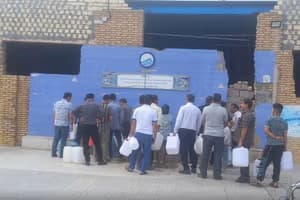
faces a water crisis of unprecedented scale, and the alarming state of the serves as a stark, immediate warning for the entire nation. Minister of Energy, , recently sounded the alarm, cautioning that critical dams like Mamlou, Latian, and Lar could soon cease operation. This isn't a distant threat; it's a present reality. Consider , designed to hold 95 million cubic meters, currently clinging to just 41 million. Across 's vital reservoirs, a mere 14% of their capacity remains, painting a grim picture for the capital's nearly 10 million residents. Such dire figures highlight a systemic vulnerability, where a single dam's struggle mirrors a nationwide struggle for water security. The crisis extends far beyond surface reservoirs, with 55% of the country's water consumption drawn from underground sources. These vital aquifers are now facing a cumulative deficit of approximately 145 billion cubic meters, triggering widespread land subsidence and accelerating desertification. The implications are already being felt, even in the bustling capital, where 'silent rationing' has become the norm – manifesting as dwindling water pressure, frequent nighttime cuts, and the unsettling recommendation for residents to invest in water tanks and pumps. Mamlou's parched basin is thus more than an environmental concern; it's a tangible symbol of Iran's rapidly diminishing water reserves and a harbinger of the profound challenges ahead.
Beneath the Surface: Unveiling the Crisis's Core Causes
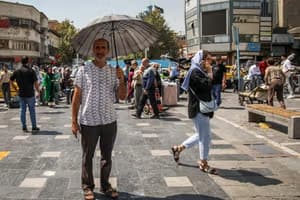
To truly grasp 's water predicament, we must look beyond the visible decline of reservoirs like and delve into the complex web of underlying causes. The most immediate culprit is the dramatic shift in climate patterns. The current water year has seen an unprecedented reduction in rainfall, plummeting over 40% below the long-term average, with a paltry 153 millimeters recorded. Compounding this scarcity is soaring temperatures, which cause a staggering 75% of the limited rainfall to evaporate before it can be effectively utilized. This means that out of an annual 260 billion cubic meters of precipitation, a mere 85 billion cubic meters is actually usable. The natural flow of water, once a reliable source, has dwindled, with runoff volumes plummeting to less than 45 billion cubic meters, and groundwater infiltration dropping below 40 billion cubic meters. But climate is only part of the story. Human factors, particularly the absence of effective consumption policies and strategic planning, play a significant role. The unchecked expansion of urban areas, fueled by high migration rates and ambitious housing projects like the , places immense, unsustainable pressure on already strained water resources. Furthermore, critical water supply projects remain unfinished due to severe budgetary constraints, as seen in regions like , leaving communities in dire straits. This confluence of climate adversity and inadequate governance has forged a deeply worrying outlook for Iran's water future.
A Nation Thirsts: The Rippling Social and Economic Fallout
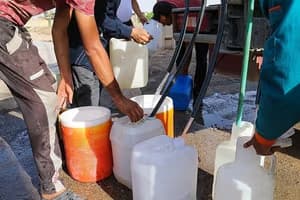
The water crisis in is not merely an environmental or hydrological challenge; it is rapidly morphing into a profound social and economic emergency with far-reaching consequences. For households, intermittent water cuts and dwindling pressure are more than an inconvenience; they are a daily struggle, particularly for those in southern and marginal areas of , like and , who report feeling a distinct sense of discrimination compared to their northern counterparts. This disparity in access is a potent driver of social tension. Beyond the domestic sphere, the economic ramifications are equally severe. Water scarcity threatens to halt industrial and agricultural production, leading to widespread job losses and exacerbating an already fragile economy. We are witnessing extensive migrations from rural areas as livelihoods, once sustained by farming, become untenable without water, further straining urban infrastructure. Experts have long warned that this trajectory could render many regions uninhabitable, imperiling the nation's social and economic security. While securing drinking water remains paramount, as pointed out, sacrificing food security is not an option for any nation, regardless of its water abundance. The struggle for water is escalating into a struggle for survival, demanding billions of tomans for infrastructure overhauls that are currently out of reach, leaving communities like those in and in a desperate wait for solutions.
The Ecosystem's Cry: Environmental Decay and Future Imperiled
As grapples with its deepening water crisis, the natural environment bears the brunt, signaling an impending ecological catastrophe that threatens the very fabric of the nation. The drying up of iconic water bodies, from the once-vast to the historic and the vital , stands as a stark testament to this environmental decay. These aren't isolated incidents; they are symptoms of a systemic collapse where reduced runoff directly imperils countless plant and animal species, pushing sensitive ecosystems to the brink of irreversible destruction. The over-reliance on underground water sources, accounting for 55% of the nation's consumption, has led to a staggering cumulative deficit of 145 billion cubic meters. This relentless extraction is causing widespread land subsidence, creating a landscape literally sinking under its own weight. Desertification is accelerating at an alarming pace, transforming once-fertile lands into barren expanses, which in turn fuels the proliferation of dust storm epicenters, further degrading air quality and public health. The environmental fallout forms a vicious cycle: less water means more desertification, which means more dust, less natural habitat, and even less capacity for the land to retain any precious rainfall. If this trajectory continues unchecked, the environmental consequences will not only render vast areas uninhabitable but also undermine the nation's long-term stability and security, leaving a compromised future for generations to come.
Related Articles

The River's Receding Breath: Isfahan's Enduring Saga with the Zayandeh Rood
The River's Receding Breath: Isfahan's Enduring Saga with the Zayandeh Rood
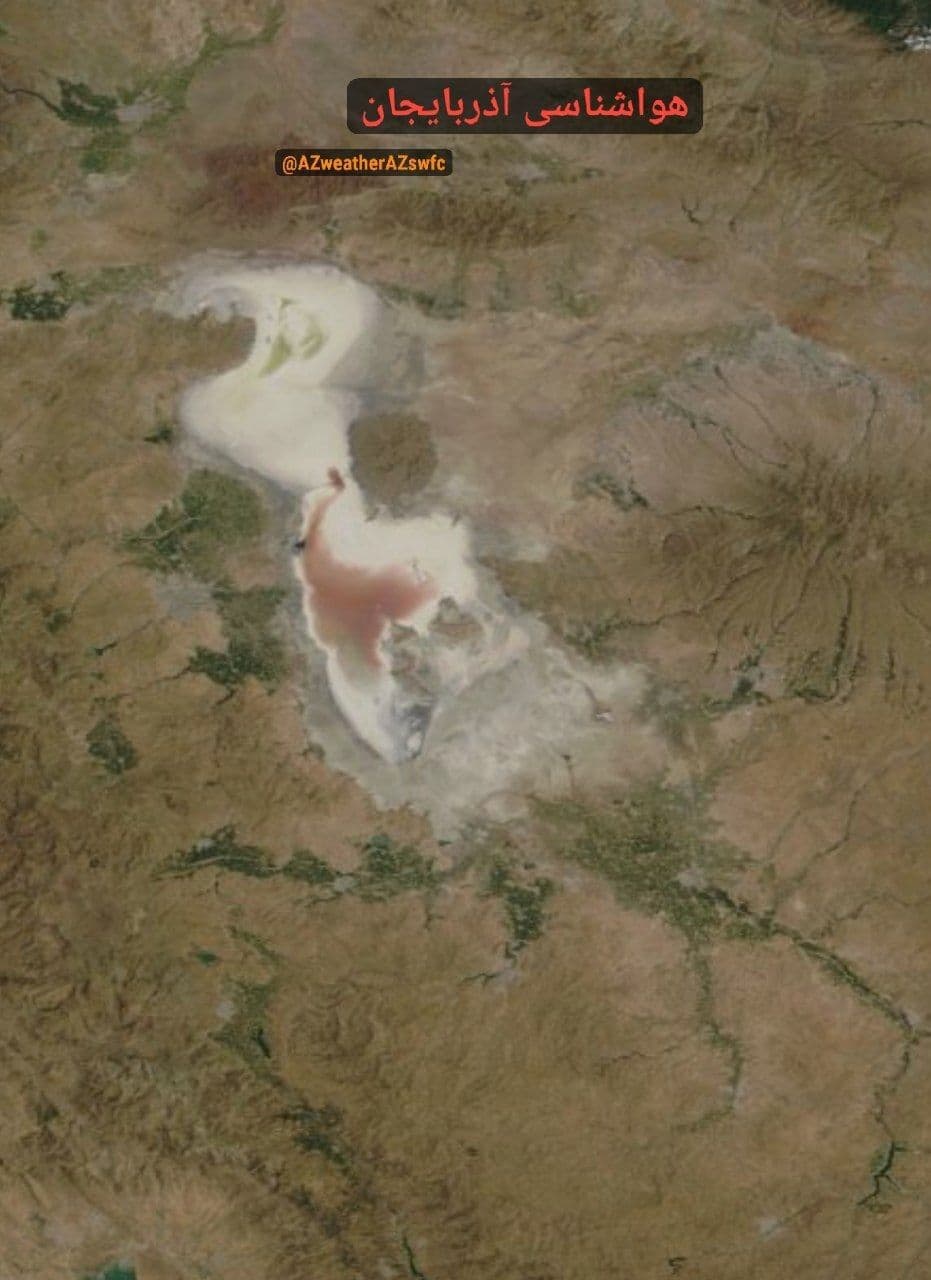
The Vanishing Veil: Lake Urmia's Unprecedented Collapse and Its Global Echoes
The Vanishing Veil: Lake Urmia's Unprecedented Collapse and Its Global Echoes
The 50°C Frontier: Life, Resilience, and Crisis in Scorched Iraq
The 50°C Frontier: Life, Resilience, and Crisis in Scorched Iraq
Beyond the Breaks: SONEDE's Blueprint for a Resilient Water Future in Tunisia