
Philippine El Niño Farm Losses Hit ₱6.87 Billion, Raising Rice and Corn Import Demand
El Niño damage to Philippine agriculture reached ₱6.87 billion across 14 regions, driving increased import demand for rice and corn to plug domestic supply deficits.
El Niño Inflicts ₱6.87 Billion in Production Losses Across 14 Regions
Official assessments released by the Philippine Department of Agriculture (DA) indicate that the ongoing El Niño phenomenon has inflicted severe operational losses across the nation's primary agricultural basins. Documented crop and farm damage reached ₱6.87 billion, affecting 223,214 farmers across 14 of the archipelago's 18 regions.
The climactic disruption has compromised a total of 249,028 hectares of arable farmland. In aggregate production terms, farm output losses have been evaluated at 163,812 metric tons across all affected agricultural segments. The regional spread of the damage underscores widespread water deficits, limiting crop development during key phases of the cultivation cycle and reducing local availability in critical grain-producing zones.
Corn and Paddy Rice Sectors Bear the Brunt of Harvest Losses
The sectoral distribution of the crop destruction shows severe concentration in feedgrains and staple food crops. Corn sustained the largest single share of the damage, accounting for 71.38% of all agricultural losses recorded by authorities, translating to a monetary loss of ₱4.90 billion. Agronomic data shows that 126,883 metric tons of corn were lost across 170,605 hectares of dedicated production areas.
Paddy rice, the country's central food security staple, incurred the second-highest toll. The Department of Agriculture registered ₱1.53 billion in rice damage, representing 22.29% of the national agricultural loss. A volume of 25,196 metric tons of paddy output was lost over 74,953 hectares of impacted rice fields. Together, corn and rice accounted for over 93% of the total financial losses sustained by Philippine farming communities under current El Niño conditions.
Widening Trade Deficit as Import Demand Expands
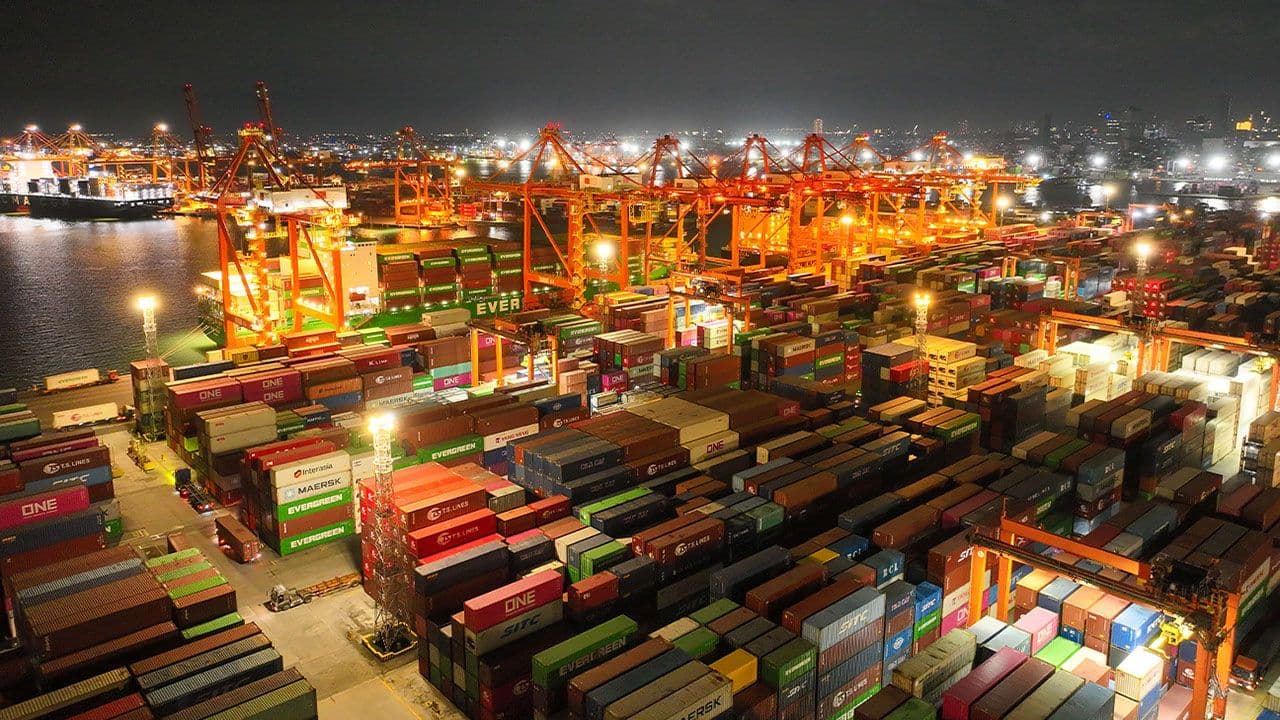
The substantial shortfall in domestic grain production has triggered immediate adjustments in international trade expectations. Trade analysts and economists reported that the domestic supply deficits will compel the Philippines to procure larger external volumes of rice, yellow corn, and other essential agricultural commodities. These heightened procurement requirements are projected to expand the country's overall trade deficit.
To safeguard consumer food access and prevent supply bottlenecks amid ongoing production declines, the Department of Agriculture has formally ruled out implementing any import ban on rice for the current year. The policy stance confirms that inbound trade channels will remain open to absorb overseas supplies, countering the domestic production void caused by prolonged drought.
Meteorological Outlook Points to Persistent Production Pressures
Agribusiness operators and supply chain planners face extended operational headwinds based on meteorological projections. State weather bureau PAGASA confirmed that the El Niño dry spell is anticipated to intensify toward late 2026.
Furthermore, the weather authority projects that dry conditions will persist through the first half of 2027. The sustained duration of the weather anomaly indicates continued pressure on irrigation reservoirs and soil moisture levels, maintaining elevated reliance on international commercial commodity flows to cover Philippine food and feed consumption requirements.
Related Articles
FAO Food Price Index Climbs to Nearly Four-Year High Amid Cereal and Transport Strains
FAO Food Price Index Climbs to Nearly Four-Year High Amid Cereal and Transport Strains
The Pampas Paradox: Unraveling Argentina's Turbulent Agricultural Destiny
The Pampas Paradox: Unraveling Argentina's Turbulent Agricultural Destiny

Beyond the Baht: Navigating the Future of Thai Rice in a Shifting Landscape
Beyond the Baht: Navigating the Future of Thai Rice in a Shifting Landscape
Harvesting Justice: Colombia's Rice Farmers' Fight for Livelihoods and National Food Security