
The Global Compass: Decoding the USS Higgins' Voyage Through Disputed Waters
Explore the USS Higgins incident's deeper meaning. Unpack the clash of maritime law interpretations, geopolitical stakes, and what it signals for global navigation rights.
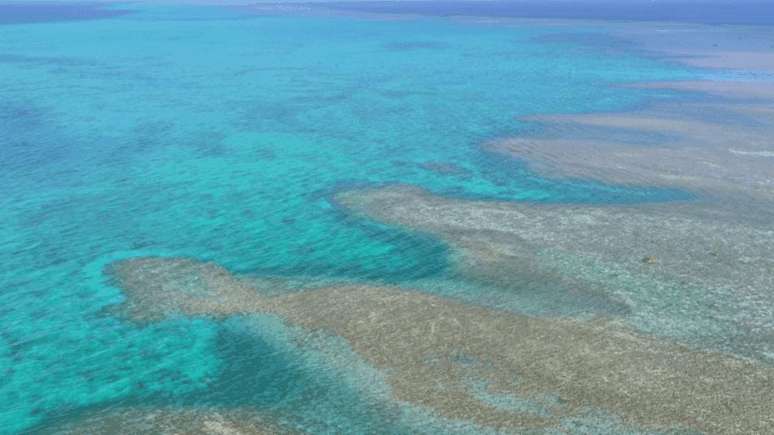
The Crucible of Contention: A Flashpoint in the South China Sea
The recent encounter involving the , an Arleigh Burke-class guided-missile destroyer operating with the from Yokosuka, Japan, serves as a stark reminder of the escalating tensions in the . This incident, centered around the disputed — known globally as or Bajo de Masinloc — saw accuse the U.S. warship of an "illegal intrusion" into its territorial waters without prior authorization. defense ministry and the spokesperson for the PLA Southern Theater Command, Senior Capt. He Tiecheng, vehemently stated that the USS Higgins' actions "seriously infringed" upon China's sovereignty and security, actively undermining regional peace and stability. They swiftly organized forces to track, monitor, warn, and ultimately, expel the destroyer, highlighting their unwavering commitment to territorial claims. This aggressive stance from Beijing immediately clashed with unwavering position, rooted in international law and freedom of navigation, setting the stage for a classic geopolitical showdown in one of the world's most vital shipping lanes. Such incidents not only raise the stakes but also underscore the precarious balance of power in a region critical for global trade and security, drawing international attention to the contested waters.

Navigating the Legal Labyrinth: Competing Claims and Global Norms
At the heart of the USS Higgins incident lies a profound disagreement over international maritime law, particularly concerning territorial waters and navigation rights. assertion that the destroyer "illegally entered" its territorial waters hinges on its expansive claims over , which it considers sovereign territory, based on historical and geographical arguments. Beijing views any unauthorized passage by a foreign warship through these claimed waters as a direct violation of international law and basic norms governing international relations, a stance it consistently reiterates. Conversely, the spokesperson, Sarah Merrill, unequivocally stated that the USS Higgins was conducting a "freedom of navigation operation" (FONOP) entirely in accordance with international law. Washington's stance emphasizes the right to innocent passage and the principle that international law permits operations wherever it allows, challenging what it perceives as excessive maritime claims that restrict global commons. This fundamental divergence in legal interpretation transforms a seemingly routine naval transit into a high-stakes diplomatic and legal battle, highlighting how different nations interpret the very foundations of high-seas conduct and the universal applicability of maritime conventions. The clash of legal doctrines fuels persistent friction.
Beyond the Horizon: The Diplomatic Fallout and Regional Tensions
The reverberations of the 's voyage extend far beyond the immediate maritime confrontation, casting a long shadow over broader diplomatic relations and regional stability. swift condemnation and defiant counter-statement underscore the deep-seated mistrust and strategic competition between the two global powers, exacerbating an already tense geopolitical environment. This incident wasn't isolated; it occurred amidst an already strained period, notably a heated trade spat where had previously warned of its readiness for "any type of war," showcasing a willingness to assert its interests across multiple domains. Such naval encounters invariably amplify regional anxieties, especially for nations like the , which has its own long-standing dispute with over and recently experienced a Chinese warship colliding with one of its own coast guard vessels, demonstrating the real-world risks. Each freedom of navigation operation, met with forceful response, risks miscalculation and further entrenches the opposing narratives, making a cooperative framework for managing the increasingly elusive. The geopolitical chessboard tightens with every such move, impacting regional alliances and security architectures significantly.
Charting a Course Forward: The Future of Maritime Engagement
The incident is more than just a fleeting moment of tension; it's a critical indicator of the persistent challenges defining the future of maritime engagement in the . With both the and showing no signs of backing down from their respective positions — the U.S. committed to defending freedom of navigation as a global principle and China resolute in protecting its asserted sovereignty and territorial integrity — such encounters are likely to continue and perhaps intensify. The core issue remains the clash between traditional international maritime principles, like the , and assertive territorial claims, particularly concerning contested features like . Moving forward, the imperative lies in finding mechanisms to prevent these standoffs from escalating into more serious confrontations, which could have dire regional and global consequences. While a grand resolution to the intricate territorial disputes seems distant, fostering greater transparency, establishing clear lines of communication, and developing robust de-escalation protocols could be vital interim steps. The incident underscores the urgent need for all parties to commit to constructive dialogue and uphold international law, ensuring that this crucial global waterway remains a conduit for peaceful commerce, not a flashpoint for dangerous conflict, for the benefit of all nations.
Related Articles

The Ocean's Reckoning: Charting India's Coastal Resilience After the MSC Elsa 3
The Ocean's Reckoning: Charting India's Coastal Resilience After the MSC Elsa 3
The Citadel's Reckoning: How Ta Kwai Redefined Border Dynamics
The Citadel's Reckoning: How Ta Kwai Redefined Border Dynamics
Southern Spear's Shifting Shadow: From Automated Surveillance to an Imminent 'War'
Southern Spear's Shifting Shadow: From Automated Surveillance to an Imminent 'War'
The Unseen Architects of Agreement: Decoding Global 타결 in a Volatile Era