
The Unseen Fortune: How Sweden's Elevated Deposit System Turns Everyday Waste into Green Gold
Uncover how Sweden's elevated deposit system transforms empty cans into green gold, boosting personal value and national recycling. Explore its legacy, new rates, impact.
The Quiet Revolution of 1984: A Legacy of Return
Before Sweden's deposit system, known as 'pant', became the sophisticated environmental engine it is today, it began as a quiet revolution in 1984. This wasn't just another policy; it was the birth of a national habit, seamlessly woven into the fabric of daily life. From its inception, the system for empty cans quickly proved to be a resounding success, transforming what might have been litter into a valuable resource. Imagine the simple act of returning a used beverage container, not as a chore, but as an ingrained part of consumer responsibility. This early adoption set a powerful precedent, fostering a collective mindset where every bottle and can held inherent value beyond its initial use. It established a foundational understanding that resources are finite and that individual actions contribute directly to a larger ecological good. This legacy of return laid the groundwork for decades of high recycling rates, proving that a well-designed system, coupled with public engagement, can turn everyday waste management into a remarkably efficient and widely accepted practice. It's a testament to the foresight of those who introduced it, creating a cultural norm that continues to evolve and strengthen.
Cashing In on Conscientiousness: The New Deposit Landscape
Fast forward to today, and that quiet revolution is getting a significant, financially tangible boost. Sweden's deposit system recently underwent an upgrade, making the act of returning even more rewarding. Deposits for smaller cans and bottles have doubled, jumping from one to two Swedish kronor, while larger PET bottles now command a three-kronor return, up from two. This isn't merely an administrative change; it's a strategic move designed to inject new energy into an already successful system. , CEO of , aptly noted that this increase aims to give the system "an extra boost" to recycle even more containers. However, with nearly 11,000 active products in the system, this transition isn't instantaneous. Consumers will encounter a temporary period where both old and new deposit values coexist on store shelves. The golden rule here is simple: always check the deposit label on the packaging, as that's the amount you'll receive. Thankfully, older items aren't immediately obsolete; they remain redeemable for up to two years past their last sale date, ensuring a smooth, albeit gradual, shift into this more valuable deposit landscape.
Beyond the Machine: The Micro-Economy of Redemption
While the higher deposit values certainly sweeten the deal for the average consumer, they also breathe new life into an often-overlooked micro-economy operating just beneath the surface of everyday Swedish life. This is where the "unseen fortune" truly comes into play. For some, discarded cans and bottles aren't simply trash; they're "hidden gold" waiting to be found. reporters once delved into this world, showing how diligent individuals might sift through public bins, sometimes even amidst less desirable items, to unearth these valuable containers. This informal collection network, fueled by the incentive of redemption, provides a small but steady income stream for many, from students looking for extra pocket money to individuals in more precarious financial situations. The recent increase in deposit values amplifies this effect, making the effort of collecting even a small bag of containers significantly more worthwhile. It's a powerful example of how a well-structured environmental policy can inadvertently foster social equity, turning waste into a tangible resource for those resourceful enough to seek it out, connecting individual needs with collective environmental goals.
The Green Dividend: How Every Return Shapes a Sustainable Future
The true genius of Sweden's deposit system lies not just in its financial incentives or its micro-economic ripple effects, but in the profound environmental benefits it consistently delivers. Every can and bottle returned isn't just a krona back in someone's pocket; it's a vote for a more sustainable future. This system is a cornerstone of Sweden's impressive recycling rates, diverting vast quantities of aluminum and PET plastic from landfills and incinerators. By giving containers a clear, tangible value, it significantly reduces litter and ensures that precious materials are captured and re-enter the production cycle. This commitment to a circular economy lessens the demand for virgin resources, saves energy, and reduces greenhouse gas emissions associated with manufacturing new materials. The recent deposit hike, as articulated, is a deliberate step to further elevate these already high recycling figures, demonstrating a proactive approach to environmental stewardship. It reinforces the idea that individual acts of conscientiousness collectively yield a substantial "green dividend" for the entire nation and, indeed, the planet.
Navigating the Transition: Tips for Maximizing Your Returns
As Sweden adjusts to the new, higher deposit values, a few practical tips can help everyone, from the casual pant-er to the dedicated collector, maximize their returns. First and foremost, always remember that "the amount on the deposit label is always what counts." This means checking each container is crucial during this transition period, as you'll find both the old and new values circulating simultaneously. Don't worry about older items; they remain valid for two years past their last sale date, so there's no rush to clear out your stash of 1-kronor cans just yet. Patience is a virtue, as works to update all 11,000 product lines. For a smoother experience at the recycling machine, consider sorting your containers by material (aluminum, small PET, large PET) and ensuring they are clean and uncrushed, as damaged items can sometimes be rejected. By staying informed and adopting these simple habits, you not only ensure you get the full value for your efforts but also continue to be an active and effective participant in Sweden's exemplary journey towards a greener, more circular economy.
Related Articles
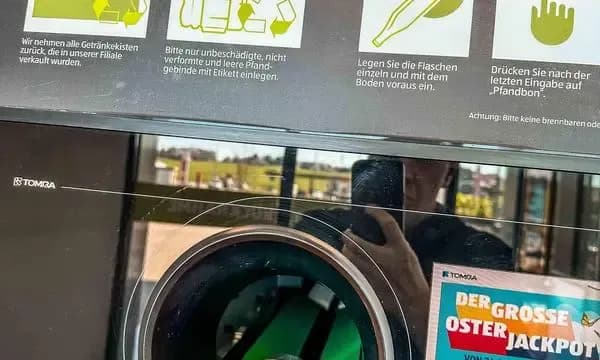
The Subtle Rebellion: Rauch's Carton Iced Tea and Our Craving for Zero Friction
The Subtle Rebellion: Rauch's Carton Iced Tea and Our Craving for Zero Friction
Beyond the Label: Unpacking the Auchan Water Recall and the Price of Trust
Beyond the Label: Unpacking the Auchan Water Recall and the Price of Trust
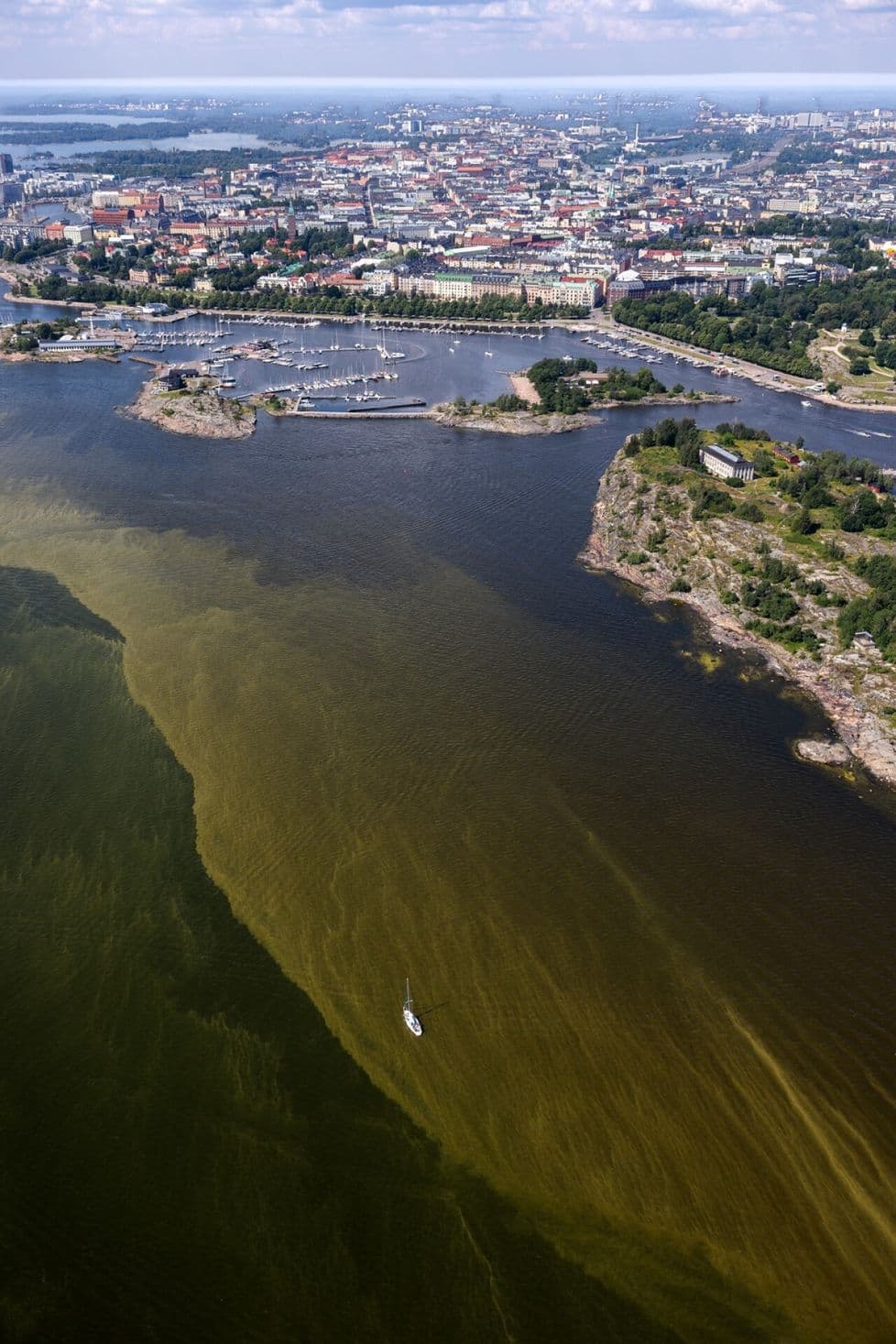
The Shifting Hues of Summer: Unraveling Finland's Blue-Green Algae Chronicle
The Shifting Hues of Summer: Unraveling Finland's Blue-Green Algae Chronicle
Beyond the Pulp Fiction: UPM's Strategic Cuts in a Shrinking Paper World