
U.S. and Thailand Reach Substantial Conclusion on Bilateral Agreement on Reciprocal Trade
Thailand and the United States announce the substantial conclusion of the Agreement on Reciprocal Trade, including a $2.6B annual farm purchase commitment.
Substantial Conclusion of the Agreement on Reciprocal Trade
On November 17, 2026, bilateral trade discussions between the United States and Thailand achieved a milestone in Manila. U.S. President Donald Trump and Thai Prime Minister Anutin Charnvirakul signed a joint statement formally marking the substantial conclusion of negotiations for an Agreement on Reciprocal Trade (ART).
The joint statement signifies a framework intended to reshape bilateral commerce and market access between the two nations. The negotiated pact addresses access terms for goods entering Thailand from the United States, targeting trade barriers and setting clear terms for future commercial flows.
Agricultural Purchase Commitments and Sectoral Tariff Elimination
A central pillar of the Agreement on Reciprocal Trade is a substantial agricultural procurement plan. Under the terms of the agreement, Thailand has committed to purchasing an estimated $2.6 billion in additional U.S. agricultural products annually.
Beyond direct purchase targets, the pact outlines broad market-opening measures. Thailand agreed to eliminate all tariffs on U.S. exports. Additionally, the agreement covers the elimination of significant non-tariff barriers across multiple key commercial and industrial sectors, specifically poultry, ethanol, vehicles, pharmaceuticals, and medical devices.
Addressing Non-Tariff Barriers for Meat Products
The trade negotiations also concentrated on long-standing non-tariff barriers impacting animal protein trade. Negotiating parties focused on expanding U.S. market access for beef and pork by addressing specific sanitary and regulatory restrictions.
Key to these agricultural provisions are efforts directed toward removing regulatory hurdles in Thailand, notably non-tariff barriers associated with restrictions on ractopamine. Resolving these regulatory standards represents a focal point for enabling expanded U.S. red meat access under the terms established in the pact.
Domestic Procedures and Ratification Pathway
While the leaders signed the joint statement confirming the substantial conclusion of the negotiations, the formal agreement remains subject to domestic implementation procedures before entering into full effect.
In Thailand, these required steps include comprehensive legal reviews, public consultation phases, and formal parliamentary consideration. Only after the completion of these constitutional and legal processes will the Agreement on Reciprocal Trade be formally finalized and enacted.
Related Articles
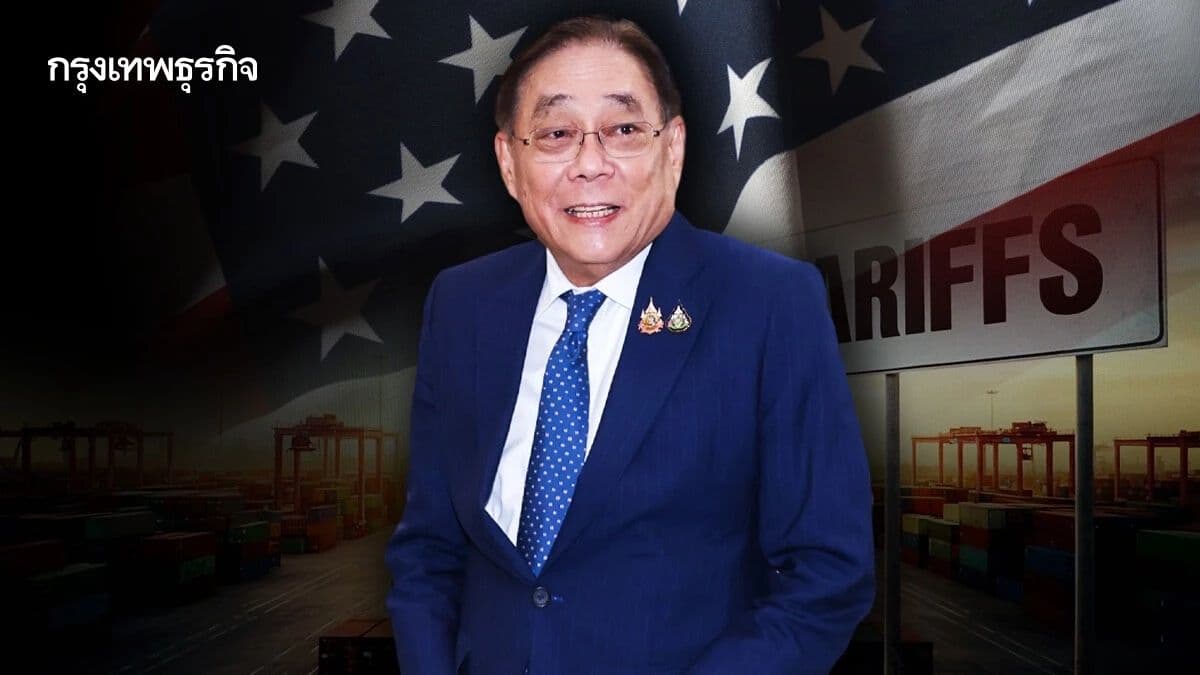
Beyond Tariffs: Unpacking the US-Thai Grand Bargain of 2025
Beyond Tariffs: Unpacking the US-Thai Grand Bargain of 2025
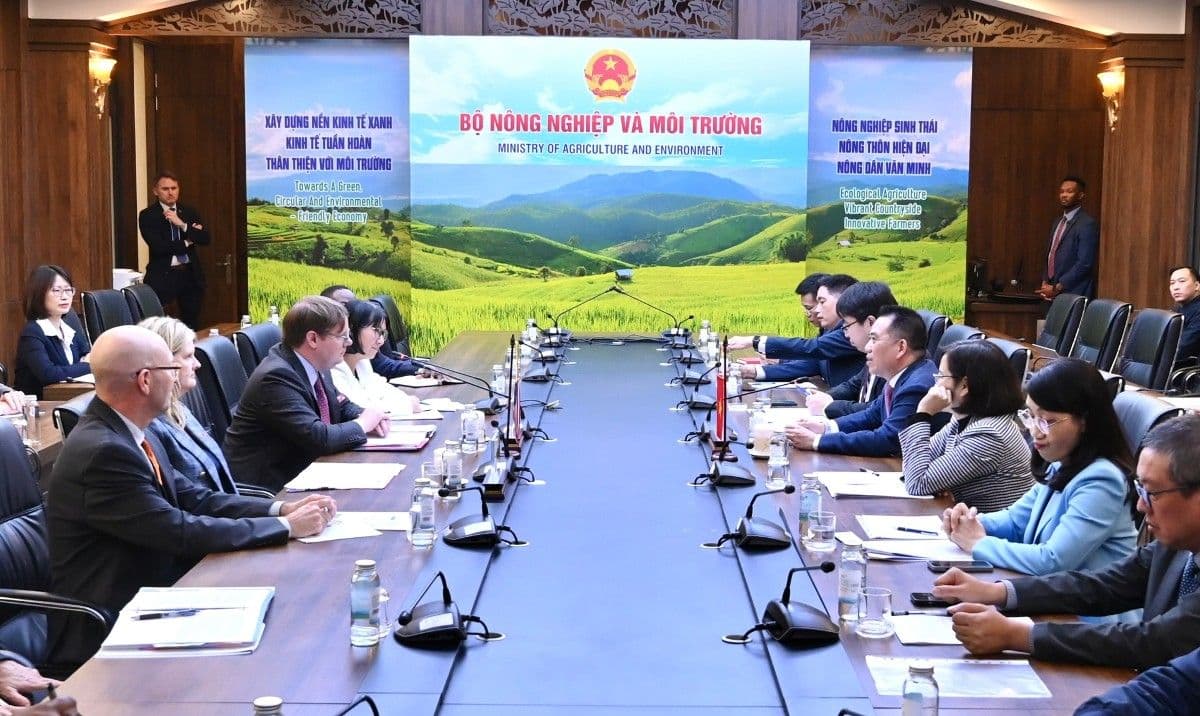
USDA Conducts Record Agribusiness Trade Mission to Vietnam
USDA Conducts Record Agribusiness Trade Mission to Vietnam

USDA Launches Record-Setting Agribusiness Trade Mission to Vietnam
USDA Launches Record-Setting Agribusiness Trade Mission to Vietnam

USDA Conducts Record Agribusiness Trade Delegation to Vietnam