
UK and EU Set to Sign Landmark SPS Trade Agreement at Brussels Summit
The UK and EU are scheduled to sign a landmark SPS agreement on November 20, 2026, removing routine post-Brexit agrifood border checks in exchange for dynamic alignment.
Brussels Summit Marks Pivotal Shift in UK-EU Agricultural Relations
At the formal bilateral summit scheduled for November 20, 2026, in Brussels, UK Prime Minister Andy Burnham and European Union leadership are set to finalize a historic Sanitary and Phytosanitary (SPS) trade agreement. The upcoming meeting represents a major development in post-Brexit cross-border commerce, addressing years of administrative friction and border inspection hurdles that have impacted agricultural supply chains between Great Britain and the EU block.
The bilateral meeting in Brussels focuses directly on resolving structural impediments to agricultural trade. By establishing a dedicated SPS agreement, both parties aim to reset the operational framework governing live animals, plants, and food products moving across the English Channel.
Elimination of Routine Border Checks and Health Certifications
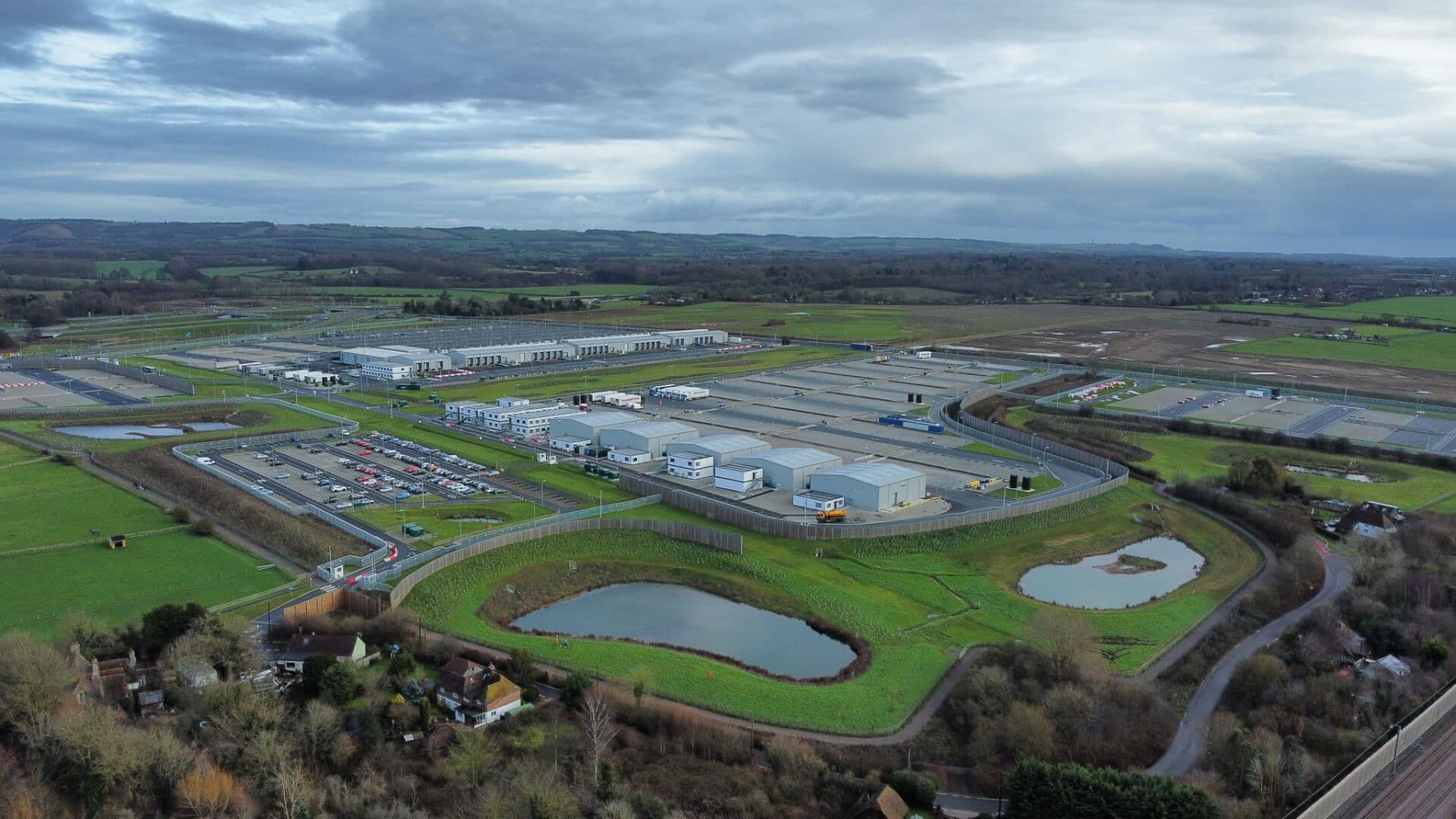
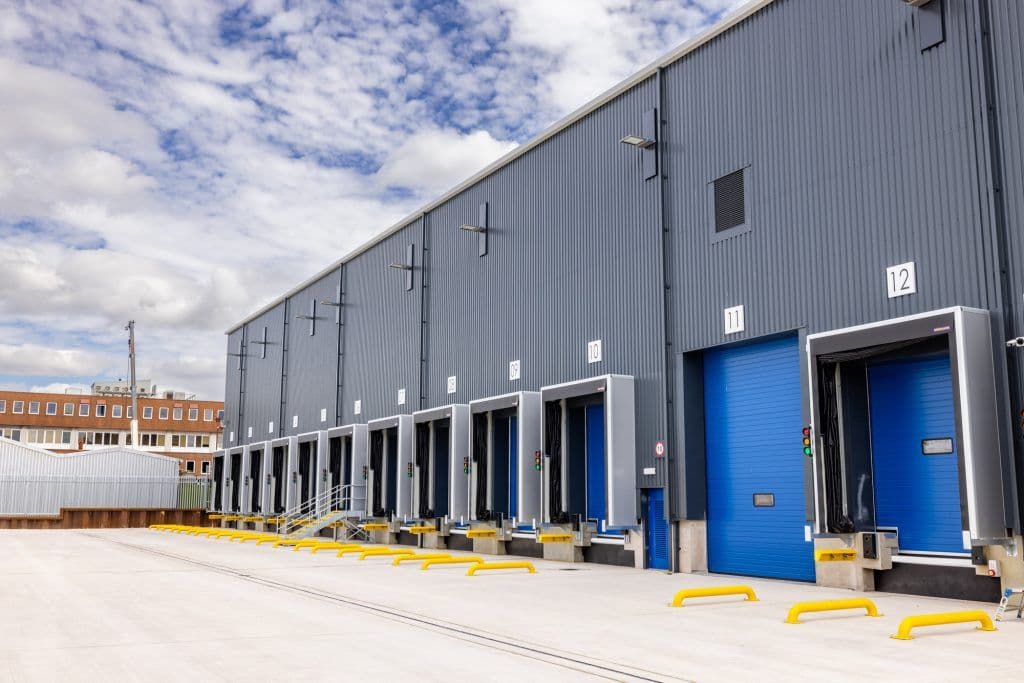
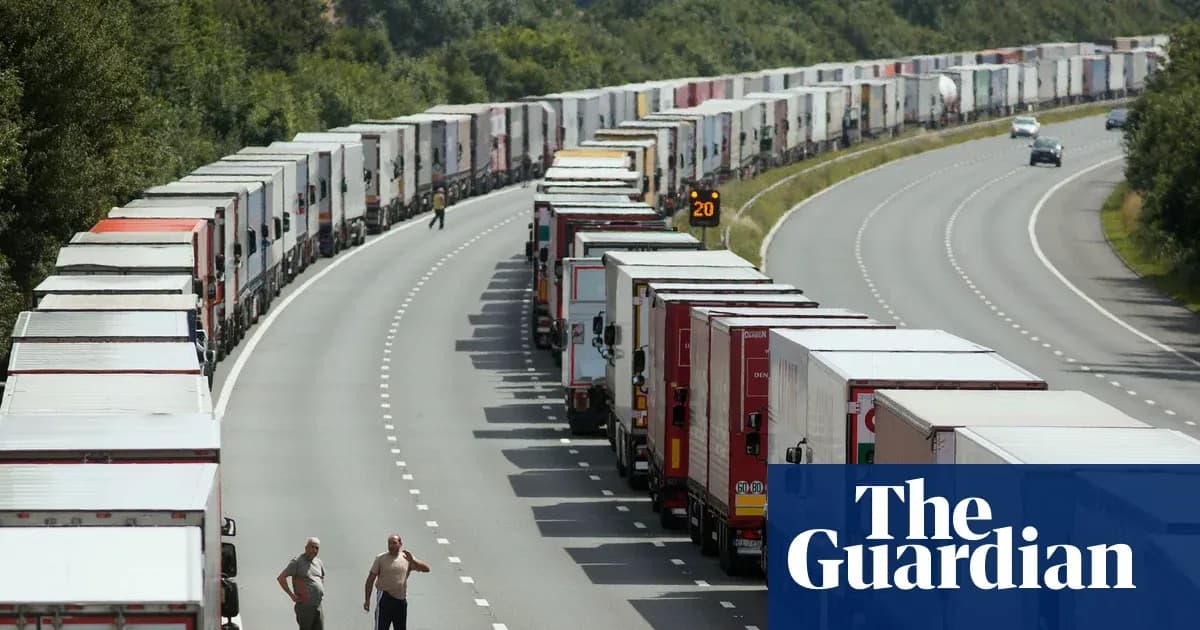
The centerpiece of the finalized SPS deal is the systematic removal of the majority of post-Brexit border checks currently imposed on agrifood trade between Great Britain and the European Union. Under the agreed framework, routine physical border inspections will be drastically curtailed, reducing delays and logistical bottlenecks at key transit ports.
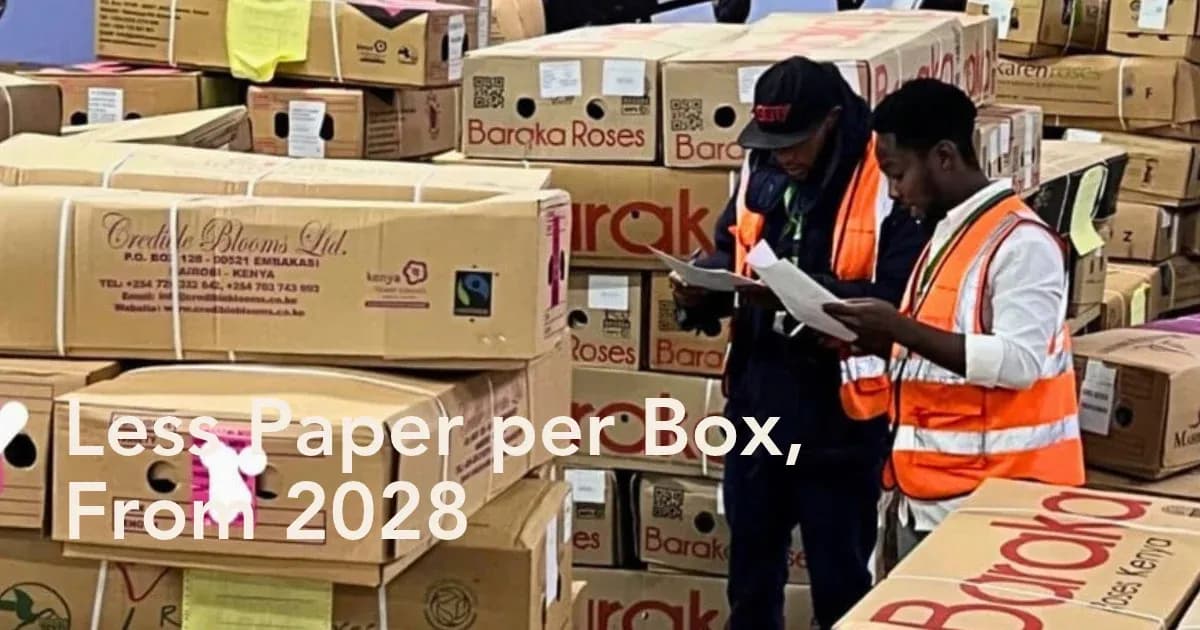
Furthermore, the agreement removes burdens surrounding administrative documentation. Export health certificates (EHCs) and phytosanitary certification requirements for agrifood shipments moving between the UK and the EU will be substantially eliminated. For agricultural exporters and freight operators, this removal of certification protocols targets the reduction of redundant paperwork, administrative costs, and border processing times.
Dynamic Alignment with EU Regulatory Frameworks
To secure the removal of routine physical checks and health documentation, the United Kingdom has agreed to a commitment of 'dynamic alignment' with European Union regulations. Under this arrangement, the UK will maintain regulatory consistency with both existing and future EU standards regarding animal health, plant safety, and food trade rules.
This commitment serves as the foundational regulatory trade-off underpinning the agreement. By committing to dynamically align with evolving EU biosecurity and food safety measures, Great Britain ensures that its domestic production standards meet European requirements, thereby eliminating the risk management rationale that previously dictated strict third-country border controls.
Projected Economic Valuation and Trade Benefits
The economic implications of the SPS agreement are significant for food manufacturers, farmers, and supply chain operators on both sides of the Channel. According to estimates published by the UK government, the implementation of the SPS trade agreement could eventually deliver an annual economic benefit of up to £5.1 billion.
These projected cost savings stem from the removal of certification fees, veterinary inspection charges, customs delays, and spoiled shipments resulting from port congestion. By facilitating smoother market access and lower transactional friction, the agreement aims to bolster long-term trade efficiency across European agricultural markets.
Related Articles
UK and EU Finalize SPS Agreement to Streamline Agri-Food Border Trade
UK and EU Finalize SPS Agreement to Streamline Agri-Food Border Trade

UK and EU Sign Landmark SPS Agreement to Streamline Agri-Food Border Trade
UK and EU Sign Landmark SPS Agreement to Streamline Agri-Food Border Trade
UK and EU Finalize Draft Agreement to Eliminate Post-Brexit SPS Food Checks
UK and EU Finalize Draft Agreement to Eliminate Post-Brexit SPS Food Checks
UK and EU Finalize Draft SPS Agreement to Remove Post-Brexit Food Trade Checks