
Unlocking Value: Panasonic's Strategic Re-Evaluation and YKK's Ambitious Leap in Housing Solutions
Panasonic HD strategically divests its housing solutions unit to YKK. Discover YKK's market expansion, Panasonic's future focus, and the unique implications of the retained 20% stake.
A New Blueprint: The Strategic Sale Reshaping Japan's Housing Sector
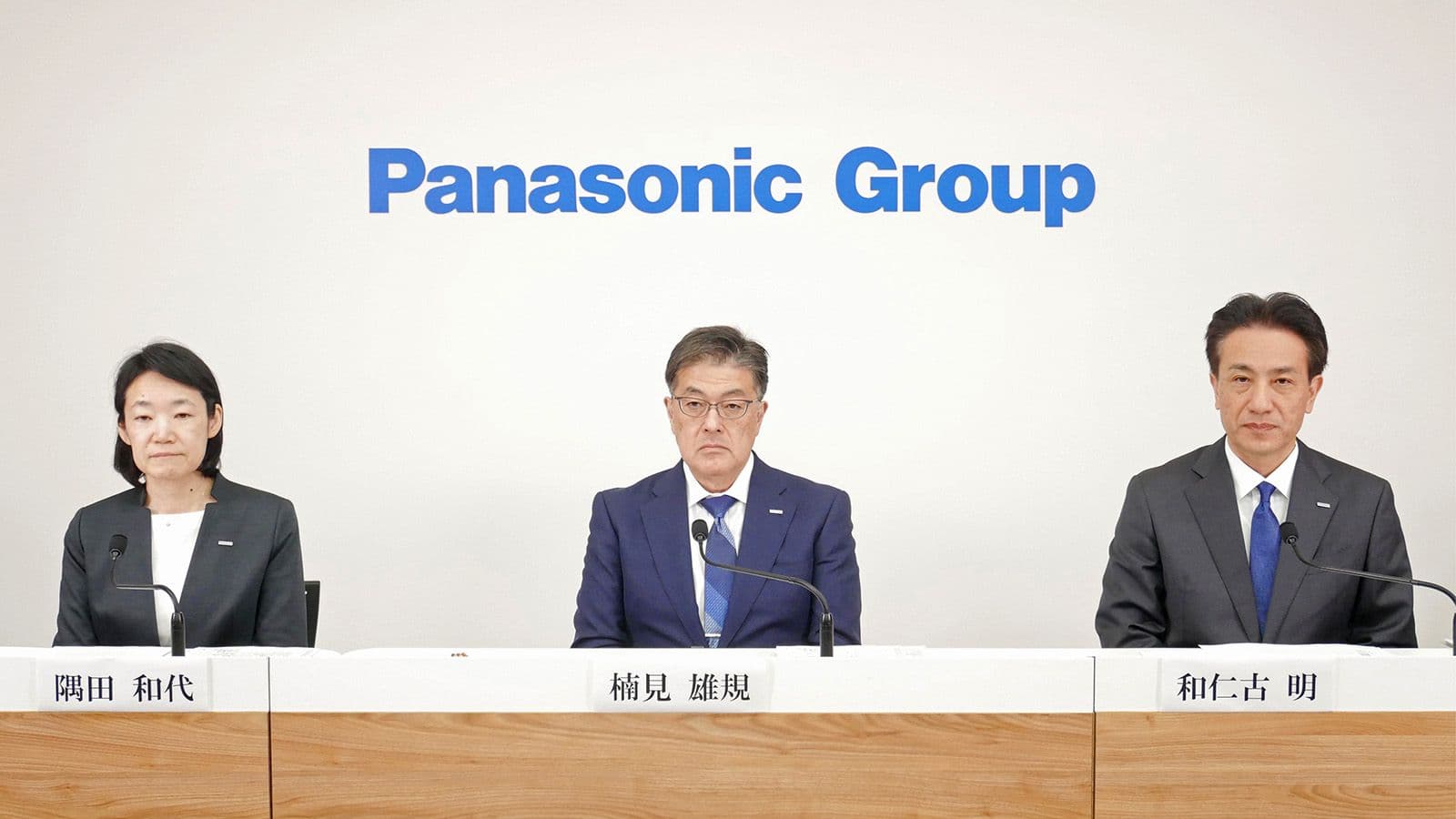
A significant tremor is moving through Japan's housing and construction sector as announced its decision to divest a majority stake in its wholly-owned subsidiary, Panasonic Housing Solutions. This move, slated for completion by April of next year, sees , a name synonymous with zippers but also a major player in building materials, acquiring an 80% share through a newly established intermediate holding company. While the exact acquisition price remains undisclosed, the strategic implications are anything but opaque. This isn't merely a corporate transaction; it's a bold re-evaluation by one of Japan's industrial giants, signaling a shift in focus and potentially redrawing the competitive landscape for home-related businesses. Panasonic's decision reflects a broader trend of Japanese conglomerates streamlining operations, shedding assets that no longer align with their core strategic vision, and preparing for future growth in an evolving global economy. This strategic re-alignment aims to unlock new value for both companies involved, fostering innovation and efficiency in a rapidly evolving market landscape.

Panasonic's Path to Agility: Shedding Assets for Future Focus
For , this divestment is a pivotal component of its ongoing business structural reforms. The company had previously identified its housing equipment business as a "low-profit" segment during its management reform announcement in February. This candid assessment underscores a strategic pivot towards higher-margin, more innovative ventures. By offloading a significant portion of Panasonic Housing Solutions, Panasonic aims to enhance its overall corporate agility, reallocate capital and resources more effectively, and intensify its focus on areas deemed critical for future growth, such as electric vehicles batteries, supply chain solutions, and advanced electronics. This strategic pruning allows the conglomerate to streamline its vast portfolio, ensuring that each remaining business unit contributes optimally to its long-term profitability and global competitiveness, rather than being weighed down by less lucrative divisions. The move is a clear indication of Panasonic's commitment to focusing its resources on areas with higher growth potential and greater strategic importance in the coming decade.

YKK's Expanded Vision: Bolstering Its Position in Building Materials
On the other side of this transaction, 's acquisition of an 80% stake in Panasonic Housing Solutions represents an ambitious leap, significantly bolstering its presence and capabilities within the broader building materials market. While globally renowned for its fasteners, YKK has also cultivated a robust building materials division, specializing in products like windows and doors. Integrating Panasonic's extensive range of housing equipment, which includes kitchens, bathrooms, and other interior solutions, creates powerful synergies. This move transforms YKK into a more comprehensive solutions provider, capable of offering a wider, more integrated suite of products to builders, architects, and homeowners. It positions YKK to capture a larger share of the housing market, streamline supply chains, and potentially drive innovation in integrated housing systems, making them a formidable competitor with a much broader product offering.
The Nuance of Partnership: Deciphering Panasonic's Retained 20% Stake
Perhaps the most intriguing aspect of this deal is 's decision to retain a 20% minority stake in Panasonic Housing Solutions. This isn't a clean break; it speaks to a more nuanced, perhaps even transitional, partnership. Such a retention often signals a desire for continued strategic influence, a potential for ongoing collaboration, or a way to benefit from future growth without the burden of full operational control. It could facilitate a smoother transition for the acquired entity, ensuring continuity for customers and employees. Furthermore, this minority holding might serve as a platform for future joint ventures, particularly in areas like smart home technology or integrated energy solutions, where Panasonic's remaining core strengths could still be leveraged within the housing context, allowing both companies to explore new frontiers together while maintaining distinct strategic paths. This shared ownership model could foster a unique collaborative environment, driving innovation in areas beneficial to both parent companies.
Future Homes: Industry Implications and Market Outlook
This significant transaction between and is poised to send ripples across the Japanese housing industry and beyond. YKK's expanded portfolio, now encompassing a vast array of housing equipment alongside its existing building materials, could set a new benchmark for integrated housing solutions, potentially influencing how homes are designed, built, and furnished. We might see increased pressure on competitors to consolidate or specialize, leading to a more dynamic and potentially more efficient market. For consumers, this could translate into more streamlined options for home construction and renovation, with a greater emphasis on integrated systems and smart technologies. Ultimately, this strategic re-alignment by two major Japanese players underscores a broader industry trend towards specialization, efficiency, and the pursuit of new value propositions in a rapidly evolving market, shaping the very definition of future homes. This collaboration promises to redefine industry standards and consumer expectations for modern living spaces.
Related Articles

The Industrial Barometer: IHI's Stock Correction and the Unseen Forces Shaping Its Next Chapter
The Industrial Barometer: IHI's Stock Correction and the Unseen Forces Shaping Its Next Chapter
The Consolidation Current: Oomi's Strategic Surge Reshapes Finland's Electricity Landscape
The Consolidation Current: Oomi's Strategic Surge Reshapes Finland's Electricity Landscape

Whispers of Discrepancy: Akazawa's High-Stakes Tariff Report Under the Microscope
Whispers of Discrepancy: Akazawa's High-Stakes Tariff Report Under the Microscope

Beyond the Pulp Fiction: UPM's Strategic Cuts in a Shrinking Paper World