
USTR Proposes Section 301 Tariffs Targeting Major Agricultural Trade Partners
The USTR has proposed tariffs between 15% and 40% on 14 economies, including key partners that accounted for one-third of U.S. agricultural exports in 2025.
USTR Unveils Proposed Section 301 Tariffs Across 14 Economies
On November 25, 2026, the Office of the United States Trade Representative (USTR) formally announced proposed new tariffs targeting 14 economies. The regulatory action follows the conclusion of Section 301 investigations into structural excess manufacturing capacity.
The list of targeted economies includes primary trade partners across Asia and Europe: China, the European Union, India, Japan, South Korea, Vietnam, and Taiwan. The proposed tariffs represent a significant policy development with direct consequences for international trade relationships, as the affected jurisdictions include both major industrialized suppliers and prominent agricultural trading counterparties.
Proposed Duty Rates and Country-Specific Measures
Under the USTR framework, the proposed tariff schedules vary by trading partner. Base rates put forward across the affected economies range between 15% and 35%.
Specific countries face differentiated tariff tiers based on the findings of the investigations and future bilateral engagement. For Vietnam, the base proposal includes tariffs reaching up to 35%. For China, proposed rates could reach up to 40% depending on the outcomes of ongoing or subsequent trade negotiations. The variable rate structures establish broad tariff exposure across major manufacturing exporters.
Exposure Across Core Agricultural Export Outlets
While initiated around manufacturing capacity, the proposed tariffs heavily intersect with key destinations for agricultural trade flows. Seven of the jurisdictions subject to the proposals—the European Union, Japan, China, South Korea, Vietnam, Taiwan, and India—represent foundational commercial markets for agricultural shipments.
Trade data indicates that these seven export markets collectively accounted for approximately one-third of total U.S. agricultural exports in 2025. Because these economies represent substantial shares of global commodity consumption and bilateral farm trade, tariff actions affecting these partners place significant portions of agricultural trade channels under potential regulatory friction.
Comment Windows and Implementation Schedule
The proposed duties are not taking effect immediately. The administrative procedure established by the USTR includes formal review and stakeholder consultation periods before any duties can be implemented.
The agency has opened a public comment period that will run through January 5, 2027. Following the close of written submissions, formal public hearings regarding the proposed Section 301 determinations and tariff actions are scheduled to commence on January 25, 2027. These timelines provide commercial stakeholders and agricultural trade participants an opportunity to submit formal input on the potential impacts of the tariffs before final measures are enacted.
Related Articles
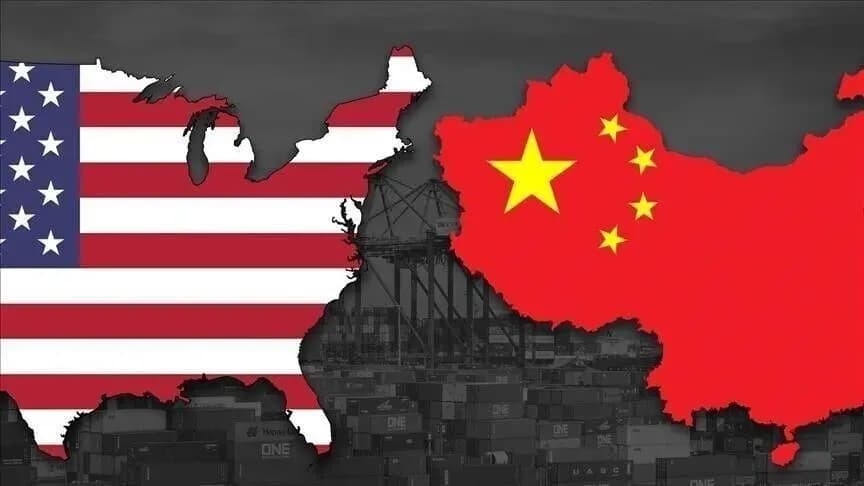
U.S. and China Launch Inaugural Agricultural Working Group to Address Trade Barriers and Tariffs
U.S. and China Launch Inaugural Agricultural Working Group to Address Trade Barriers and Tariffs
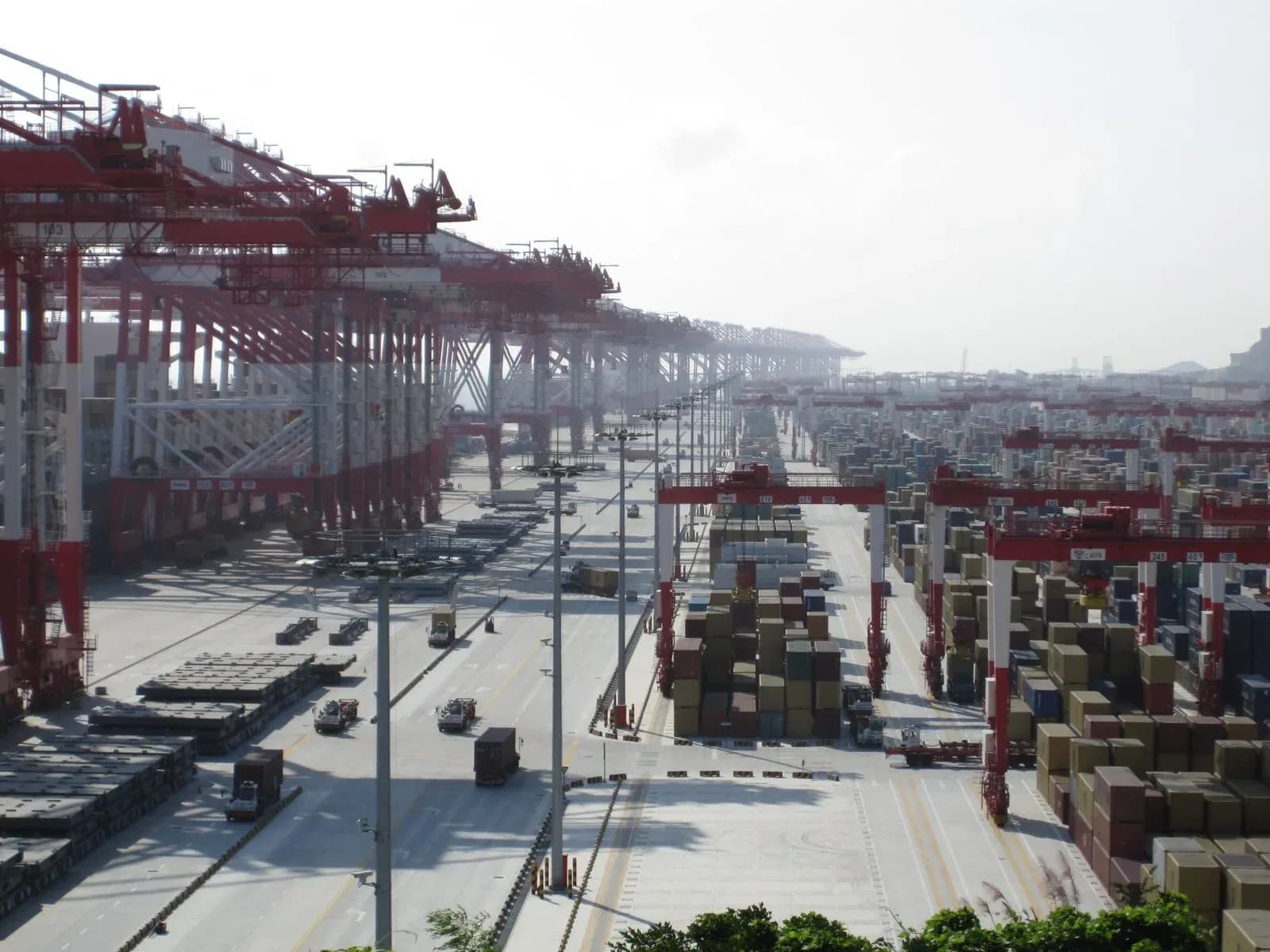
U.S. and China Convene Inaugural Trade Council Meeting on Reciprocal Tariff Reductions and Agriculture
U.S. and China Convene Inaugural Trade Council Meeting on Reciprocal Tariff Reductions and Agriculture
The Reciprocal Ripple: Unraveling Trump's Trade Gambit on the Global Stage
The Reciprocal Ripple: Unraveling Trump's Trade Gambit on the Global Stage

Beyond the Numbers: Unraveling the True Impact of Trump's Global Tariff Gambit