
African and Asian Leaders Call for Regional Rice Reserves and Supply Chain Investments
Leaders from 18 African and Asian nations at the Global Rice Policy Dialogue 2026 call for regional rice reserve mechanisms, early-warning systems, and targeted value-chain investments to protect trade and food security.
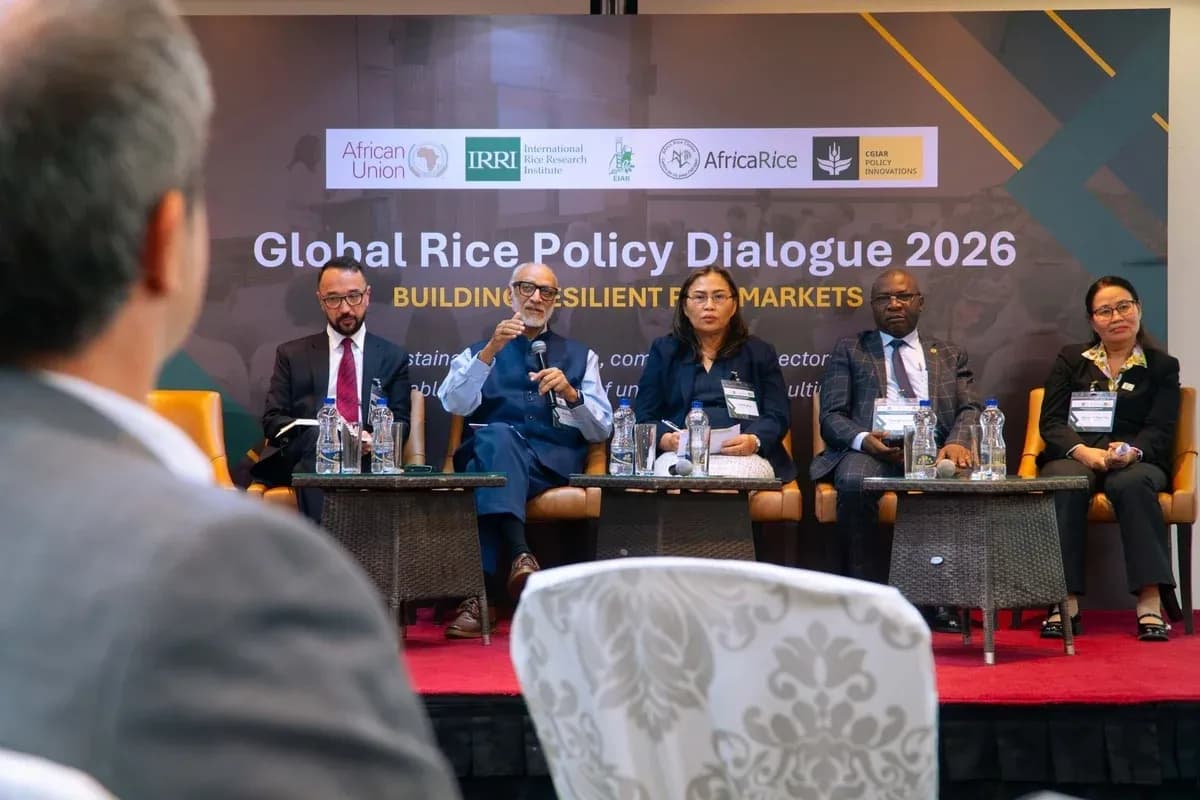
Inter-Continental Policy Dialogue Yields Accord on Rice Reserves
At the Global Rice Policy Dialogue 2026, held in Addis Ababa, Ethiopia, on October 15–16, 2026, leaders representing 18 African and Asian nations reached a formal consensus to bolster regional rice supply security. The dialogue was co-hosted by the African Union Commission’s Department of Agriculture, Rural Development, Blue Economy and Sustainable Environment (ARBE) and the International Rice Research Institute (IRRI).
To manage market vulnerability and mitigate supply disruptions, participating leaders issued a formal call for the establishment of regional rice reserve mechanisms alongside early-warning systems. The framework prioritized regional reserves, predictable trade, and value-chain investment to enhance food security across both regions.

Import Dependency and Supply Concentration Prompt Structural Action
The call for regional reserve mechanisms addresses substantial market realities defining international rice trade. Africa currently imports approximately 18 million tons of rice annually, which translates to a yearly expenditure of between US$6 billion and US$9 billion on imports.
This import reliance is compounded by significant concentration in global export supply. Approximately 80 percent of all internationally traded rice originates from just five countries: India, Thailand, Vietnam, Pakistan, and Cambodia. The proposal for regional reserves and early-warning monitoring seeks to mitigate the risks associated with this concentrated supply landscape.
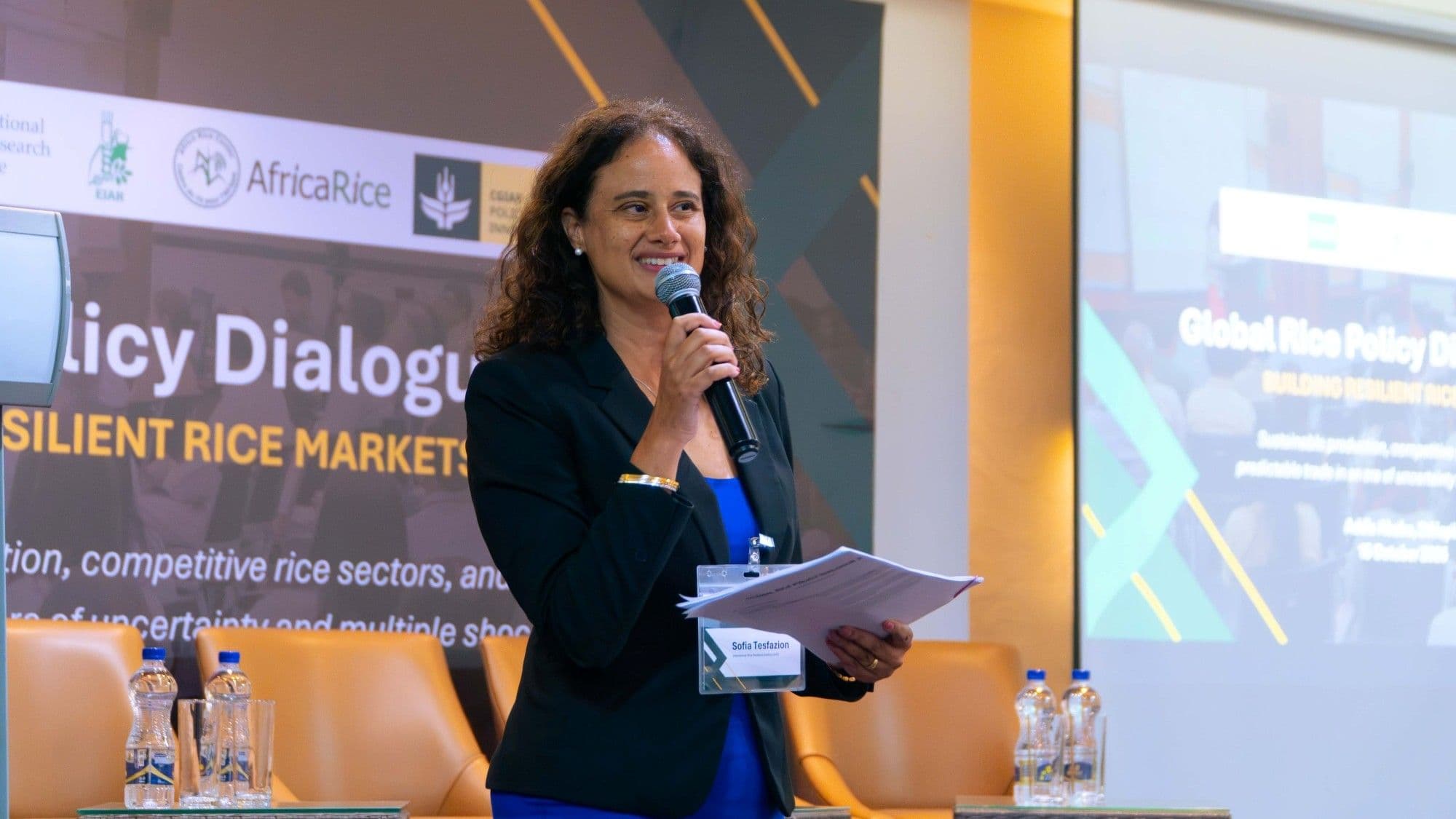
Pivoting from National Strategies to Value-Chain Implementation
Beyond reserve mechanisms, delegates at the Addis Ababa dialogue emphasized a operational pivot in agricultural policy. The participating leaders stressed the urgent need to transition from high-level national rice strategies to implementation-focused investments that cover the entire rice value chain.
The consensus established that achieving long-term food security requires combining predictable trade policies with targeted investments across production, processing, and distribution networks across Africa and Asia.
Related Articles

Asian Rice Export Prices Hold Firm Amid Tight Regional Supply and Weather Vulnerabilities
Asian Rice Export Prices Hold Firm Amid Tight Regional Supply and Weather Vulnerabilities

Beyond the Baht: Navigating the Future of Thai Rice in a Shifting Landscape
Beyond the Baht: Navigating the Future of Thai Rice in a Shifting Landscape

Ethiopia Secures $2.3M Japanese Grant to Mechanize Rice Processing and Reduce Import Exposure
Ethiopia Secures $2.3M Japanese Grant to Mechanize Rice Processing and Reduce Import Exposure
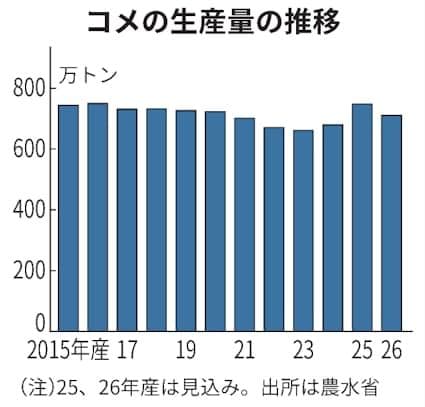
Japan's Rice Crossroads: The Unending Quest for Balance in the Paddy Fields