
African Cocoa and Coffee Exporters Face Potential EU Market Exclusion Under EUDR Compliance Pressures
Industry groups warn that 40-50% of African cocoa and coffee exports risk exclusion from the EU market by December 2026 due to strict EUDR traceability and geolocation requirements.
EUDR Requirements and Smallholder Compliance Challenges
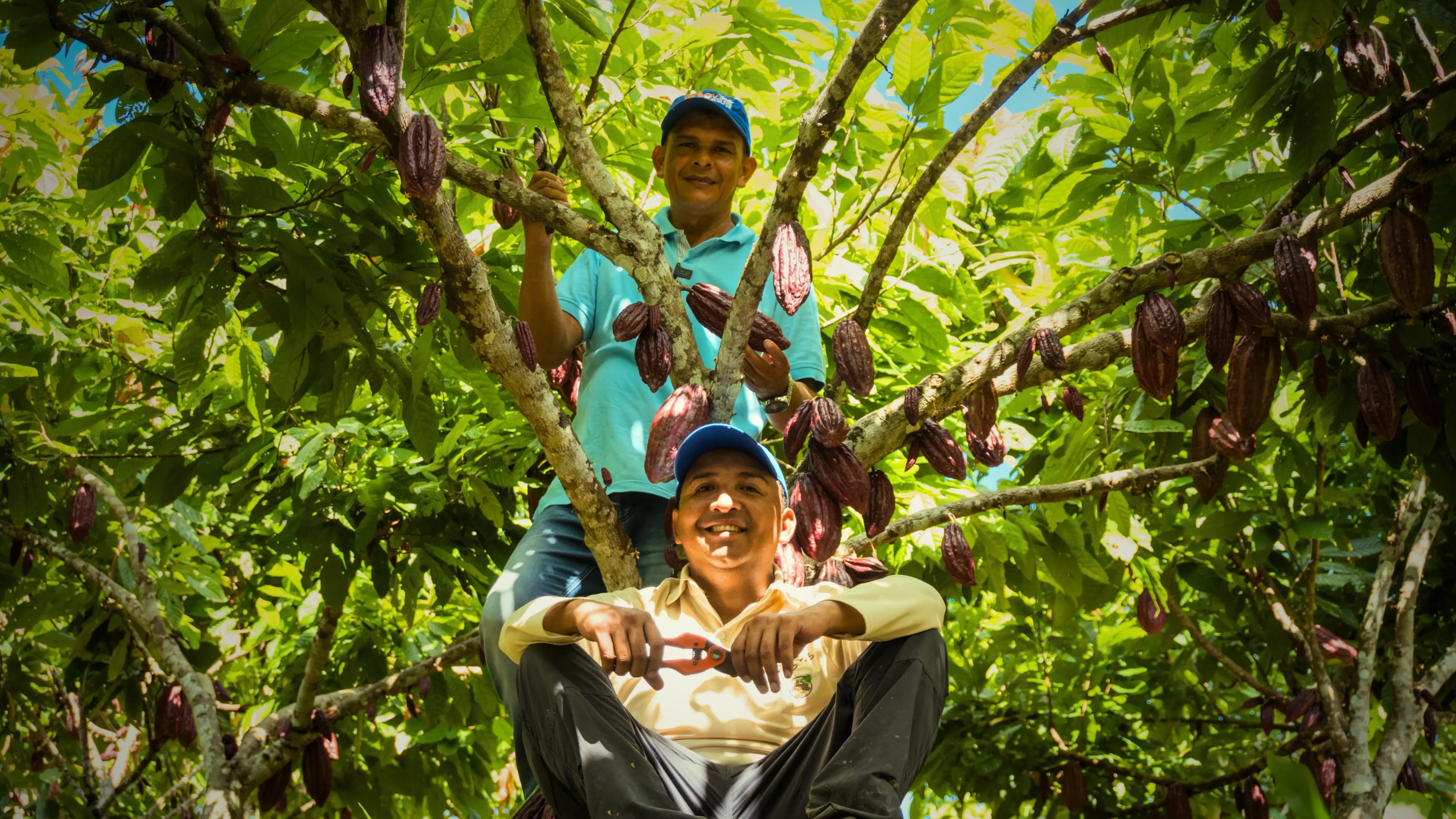
The European Union Deforestation Regulation (EUDR) establishes strict mandates requiring that key agricultural commodities entering the European market—including cocoa and coffee—must be certified as deforestation-free. Furthermore, these products must be fully traceable back to the specific plot of land where they were cultivated. As the implementation deadline approaches, agricultural sectors across Africa face severe structural hurdles in meeting these legal benchmarks. Industry reports indicate that compliance gaps persist widely among smallholder networks, threatening traditional trade flows between major African producing nations and European buyers.
Export Projections and Market Exclusion Risks
According to warnings issued by the Cocoa and Coffee Farmers Alliance Association of Africa (COCEFAAA) and the Lagos Chamber of Commerce and Industry (LCCI), up to 40% to 50% of African cocoa and coffee exports risk total exclusion from the European Union market. This potential cutoff is driven by ongoing difficulties in fulfilling the rigorous data requirements mandated by the regulation. Without rapid interventions to bridge compliance gaps, substantial volumes of African agricultural commodities could be locked out of key European distribution channels.
Operational Obstacles in Farm-Level Mapping
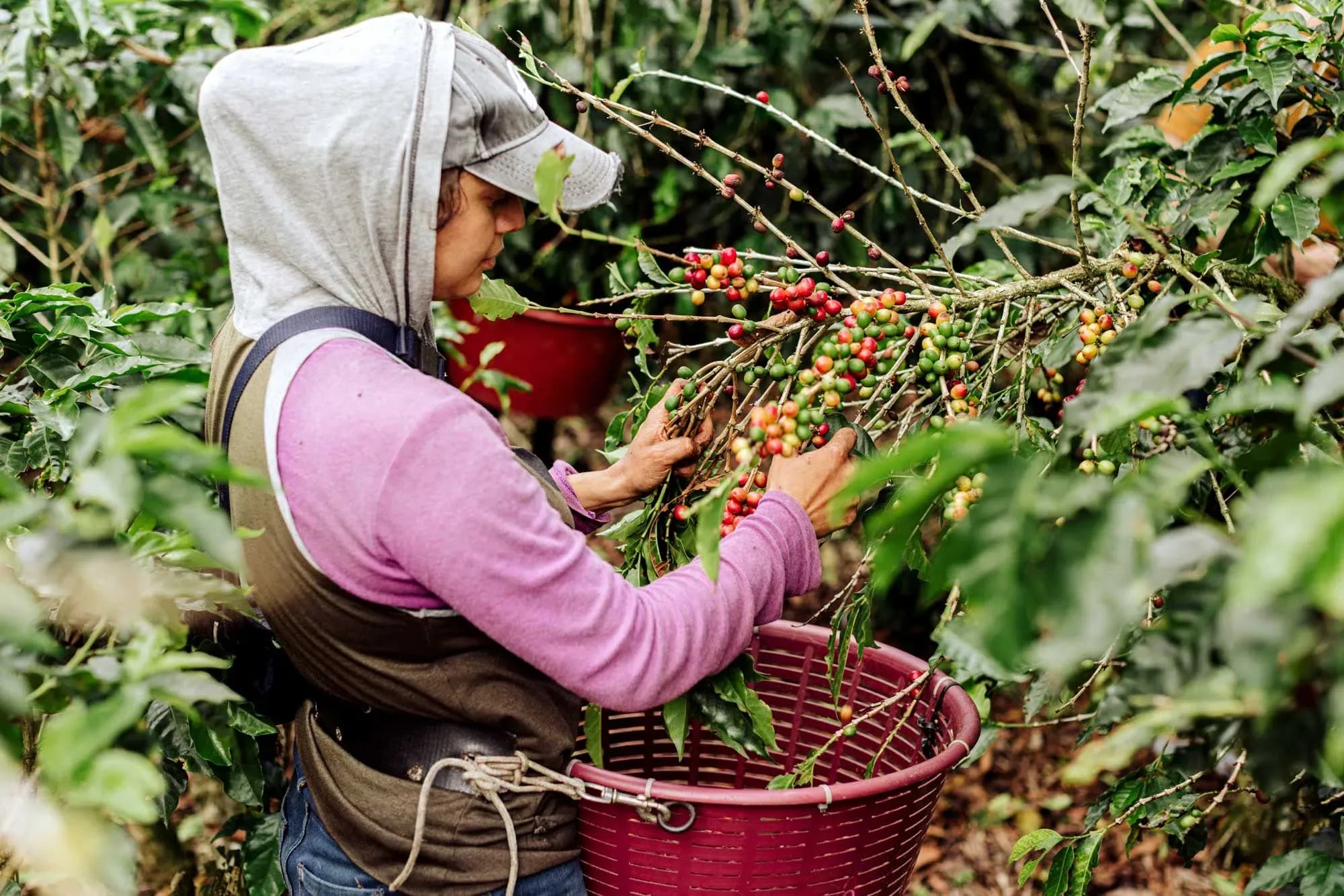
The primary barriers to compliance involve significant logistical and financial constraints at the farm level. Specifically, the high cost associated with mapping individual smallholder farms creates a formidable barrier for decentralized producer networks. Additionally, many farming communities face a scarcity of technical resources and lack the necessary infrastructure to document farm-level geolocation accurately. These technical and economic limitations complicate efforts to establish the transparent supply chains demanded by European import rules.
Related Articles
Ghana's Cocoa Revolution: Unpacking the Price, Policy, and Farmer Future
Ghana's Cocoa Revolution: Unpacking the Price, Policy, and Farmer Future
Kenya Drafts Regulations for Four Distinct Coffee Marketing Channels Under Coffee Act 2026
Kenya Drafts Regulations for Four Distinct Coffee Marketing Channels Under Coffee Act 2026
The Great Coffee Contradiction: Supply Fears Meet Surplus Forecasts
The Great Coffee Contradiction: Supply Fears Meet Surplus Forecasts

EU Council Adopts Negotiating Stance on 'Technical Zero' Pesticide Residue Limits for Agricultural Imports