
Bishkek's Summer Symphony: Navigating Heatwaves, Highland Rains, and the Call for Caution
Explore Bishkek's mixed August forecast. From city heat to mountain rain, get essential tips & understand storm warnings for a safe and comfortable week.
A Week in Bishkek's Summer Sky: An Overview
, often a sun-drenched oasis at the northern foot of the imposing , is poised to showcase its quintessential summer character this coming week, spanning from July 31st to August 6th. Far from a monotonous forecast, this period promises a vibrant "symphony" of weather, reflecting the city's unique geographical embrace of both urban warmth and highland influences. We'll navigate through a sequence of increasingly hot days, tempered by the ever-present potential for cloud cover and a notable mid-week interruption. While the capital itself is largely shielded from the immediate impact, the broader region remains under the watchful eye of meteorologists. A storm warning, specifically for the mountainous and foothill areas, underscores the delicate balance of climate, where local heavy rains can rapidly transform landscapes and elevate river levels. This isn't merely a temperature check; it's an invitation to understand and adapt to the profound interplay between the city's built environment and the powerful natural forces that shape its extraordinary summer rhythm. This comprehensive outlook aims to equip everyone with the knowledge to not just endure, but truly thrive, amidst spirited August debut.
Daily Rhythms: Temperatures, Clouds, and Expected Downpours
Following this broader overview, let's dive into the specifics of daily weather patterns for the upcoming week. As the period commences on Thursday, July 31st, the city will experience pleasant overnight temperatures ranging from +19°C to +21°C, leading into a warm day of +31°C to +33°C, all under mostly cloudy skies. Friday, August 1st, mirrors this pattern closely, with similar nighttime lows and a slight uptick in daytime highs to +32°C to +34°C, maintaining the cloudy conditions. The most significant shift arrives on Saturday, August 2nd, offering a brief respite from the burgeoning heat. Night temperatures will be a comfortable +18°C to +20°C, and the daytime mercury will drop noticeably to +28°C to +30°C, accompanied by welcome rain. This Saturday shower is a characteristic feature of summer, often a result of mountain-fed systems. Sunday, August 3rd, sees the heat return, climbing back to +31°C to +33°C, albeit still cloudy. By Monday, August 4th, and Tuesday, August 5th, the mercury continues its ascent, reaching +32°C to +34°C and then +34°C to +36°C respectively, with persistent cloud cover offering some natural shade. The week culminates on Wednesday, August 6th, with the hottest day yet, forecasting highs of +35°C to +37°C, again with cloudy conditions providing a slight buffer against the intense sun.
The Mountain's Whisper: Understanding the Storm Warnings
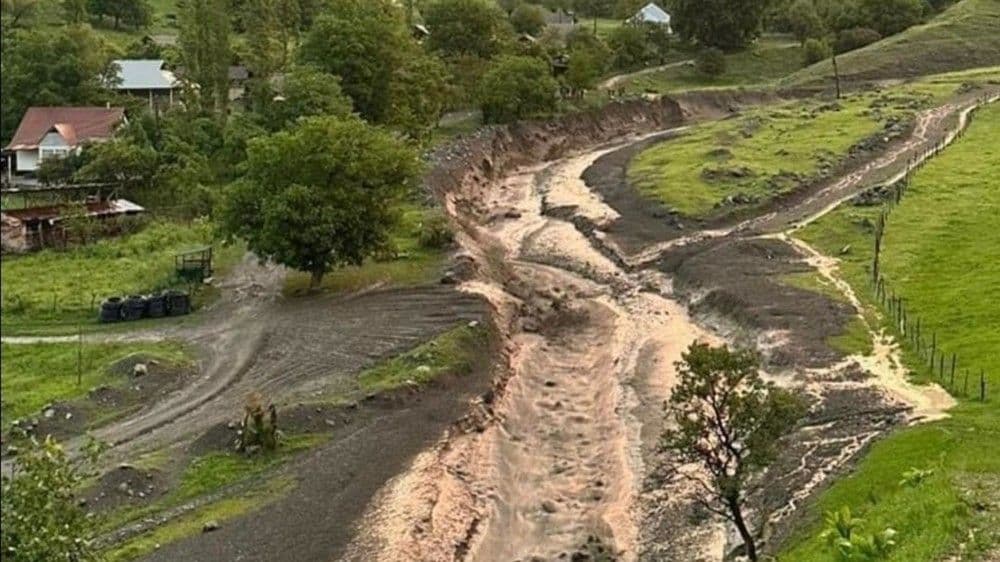
While itself experiences a relatively predictable pattern of heat and a single rainy day, the more serious implications of the region's dynamic climate emerge from "The Mountain's Whisper." A storm warning, issued for the period of July 28th to July 31st, specifically targets the mountainous and foothill areas surrounding the republic. This isn't just a casual advisory; it's a critical alert signaling potential natural hazards. The warning highlights "unstable weather" and "expected localized heavy rains" in these elevated terrains. Such conditions are a well-known precursor to dangerous phenomena in landscape. The primary concerns are sel (mudslides) and a significant rise in river water levels. Mudslides, rapid flows of water-saturated debris, can be devastating, posing risks to infrastructure, roads, and even settlements in their path. Simultaneously, the increased runoff from heavy mountain precipitation can swell rivers, leading to flash floods and overflowing banks, particularly in narrow gorges and valleys. While the direct impact on urban core might be minimal, residents planning excursions into the scenic foothills or further into the high mountains must heed these warnings. Understanding that a beautiful, cloudy sky in the city can mean torrential downpours and dangerous conditions just a short drive away is paramount for safety and preparedness.
Thriving Through the Elements: Essential Tips for Residents and Visitors
Navigating summer symphony requires a blend of common sense and specific preparedness, ensuring both comfort and safety. With daytime temperatures consistently hovering above 30°C and climbing towards 37°C, staying hydrated is non-negotiable; carry water bottles and seek shade during peak sun hours (typically 12 PM - 4 PM). Light, breathable clothing, preferably in natural fibers, will make a significant difference in managing the heat. While Saturday offers a cool, rainy interlude, remember to carry an umbrella or light rain jacket if you plan to be out and about. This brief downpour, though refreshing, can make streets slick, so watch your step. Beyond the city's immediate forecast, the mountain storm warnings demand a more serious consideration. If you're contemplating a hike or a drive into the foothills or higher altitudes, it's absolutely crucial to check the latest local advisories from or reputable news sources. Avoid venturing into areas known for mudslide risks, especially after heavy rains, and stay clear of rapidly rising riverbanks. Prioritizing safety by being informed and adaptable will ensure a truly enjoyable and secure experience amidst vibrant summer.
Beyond the Horizon: What This Week Means for Bishkek's August
As this week's forecast unfolds, it offers more than just daily numbers; it provides a telling glimpse into the character of August. The noticeable warming trend towards the end of the week, with temperatures soaring into the mid-to-high 30s, suggests that the first full month of summer will likely maintain its reputation for intense heat. While we saw a brief respite with Saturday's rain, the overall pattern indicates that long, hot, and predominantly clear or partly cloudy days will be the norm. However, this doesn't mean the city becomes uniformly arid. proximity to the mountains means that even in the hottest months, localized, often brief, but sometimes heavy, mountain-fed showers remain a distinct possibility. These downpours, while offering temporary cooling, are also the very phenomena that can trigger the aforementioned mudslides and river surges in the surrounding highlands. Therefore, this week serves as a microcosm of August's potential: periods of high heat demanding urban adaptation, interspersed with the occasional, dramatic influence of the mountains. Residents and visitors should anticipate a continuation of these conditions, always remembering that the majestic backdrop of the is not just a scenic view but an active participant in shaping unpredictable, yet captivating, summer climate.
Related Articles

The Week of Two Summers: Almaty's Mid-Season Climate Transition
The Week of Two Summers: Almaty's Mid-Season Climate Transition
Biysk's August Unveiled: Decoding the Whispers of Changing Skies
Biysk's August Unveiled: Decoding the Whispers of Changing Skies

Kazakhstan's Climate Paradox: Navigating July's Dual Extremes
Kazakhstan's Climate Paradox: Navigating July's Dual Extremes
Kazakhstan's July Crucible: Navigating a Nation Divided by Extreme Weather