
The Week of Two Summers: Almaty's Mid-Season Climate Transition
Unpack Almaty's critical weather shift, July 26-Aug 1, 2025. Explore the transition from intense heat and thermal depression to refreshing showers and milder conditions.
Setting the Stage: The Persistent Grip of Extreme Heat
As the final week of July dawned upon , the city found itself firmly entrenched in the grip of an anomalous heatwave, a stifling blanket that had become a hallmark of the preceding days. Forecasters at , including leading engineer-synoptic , had warned that the start of the working week would offer little respite, with temperatures soaring to extraordinary levels. On July 26th and 27th, residents braced for daytime highs reaching a scorching +36°C to +38°C. This wasn't just Almaty's plight; the broader region wrestled with similar, if not more intense, conditions. Reports from areas like painted a stark picture, with forecasts of 'very strong heat' pushing the mercury to an astonishing +40°C to +42°C, accompanied by extreme fire danger. For Almaty, the early week brought clear skies and dry conditions, with only light winds, offering no natural ventilation to break the oppressive heat. It was a period defined by an unrelenting sun, challenging daily life and setting the stage for a much-anticipated shift.

Midweek Meteorological Shift: When Relief Descends
Just as the persistent heat began to feel like the new normal, the midweek forecast signaled a subtle yet significant turning point. After days of uninterrupted sunshine, July 28th brought the first hint of change: a chance of brief rain and thunderstorms during the day. While still firmly in the 'strong heat' category, daytime temperatures were projected to ease slightly, settling in the +33°C to +35°C range. This modest dip, coupled with the promise of precipitation, was a welcome development. The winds, which had been light and from the southeast, began to show signs of shifting, becoming south-westerly and occasionally gusting up to 13 m/s. This atmospheric twitch was a precursor to more pronounced changes. By July 30th, the pattern solidified further: more widespread, albeit brief, rain and thunderstorms were expected, accompanied by a more decisive wind shift to the north-west and gusts up to 18 m/s. This brought temperatures down another notch, hovering between +31°C and +33°C. The oppressive stillness of the early week was giving way to a more dynamic, and ultimately more bearable, weather pattern.

Understanding the Turn: The Dance of Air Masses and Thermal Dynamics
The shift in Almaty's weather wasn't a random occurrence but a carefully orchestrated dance of atmospheric systems. The primary catalyst for this transition was the anticipated arrival of a cyclone across the republic. Cyclones, often harbingers of change, introduce cooler, moister air masses that disrupt established patterns of heat and dryness. The initial south-westerly winds on July 27th and 28th, followed by a more definitive north-westerly flow by July 30th, are tell-tale signs of these new air masses pushing against the stagnant, hot air that had dominated. This clash of air masses, particularly the influx of cooler, unstable air, is precisely what triggers the formation of thunderstorms and brings about the 'long-awaited rains' mentioned by meteorologists. While the city remained hot, the presence of these new air masses meant the intense, anomalous heat was being gradually diluted, setting the stage for a more balanced thermal environment. It’s a classic meteorological play: the old, entrenched heat dome slowly giving way to new, more dynamic weather systems.
Finding Equilibrium: The Easing Temperatures Towards August
As the week drew to a close and Almaty transitioned into the opening days of August, the city began to settle into a new, more temperate equilibrium. The dramatic shifts of the midweek gave way to a more stable, albeit still warm, climate. For July 31st and August 1st, forecasts indicated partly cloudy conditions with a notable absence of significant precipitation. Crucially, daytime temperatures were projected to consistently hover around +31°C to +33°C, marking a clear departure from the scorching +36°C to +38°C recorded at the week's outset. The prevailing winds shifted to an easterly direction, remaining light at 3-8 m/s, suggesting a more settled atmospheric state. This period truly embodies the 'Two Summers' narrative: moving from an initial phase of extreme, anomalous heat to a second, more typical summer phase where temperatures, while still high, are no longer at an oppressive, dangerous peak. It's a welcome recalibration for residents, signaling a more comfortable end to the summer month.

Preparing for the Pattern: Essential Tips for Almaty Residents
Understanding Almaty's mid-season climate transition is key to navigating its dynamic weather. With the initial period of extreme heat giving way to thunderstorms and then more moderate, yet still warm, conditions, residents should adapt their routines accordingly. During periods of intense heat, prioritize hydration, seek shade during peak sun hours (typically 12 PM to 4 PM), and avoid strenuous outdoor activities. As the weather shifts to include thunderstorms and strong winds, securing loose outdoor items becomes crucial. Be mindful of sudden downpours and potential localized flooding, and if caught in a storm, seek shelter indoors. The widespread warnings of high and extreme fire danger, particularly in surrounding regions, necessitate vigilance: avoid open fires, dispose of cigarettes properly, and report any signs of smoke immediately. Staying informed through official channels like 's updates remains the best defense. By understanding these evolving patterns and taking proactive steps, Almaty residents can comfortably and safely navigate the city's unique summer climate.
Related Articles

Kazakhstan's Climate Paradox: Navigating July's Dual Extremes
Kazakhstan's Climate Paradox: Navigating July's Dual Extremes
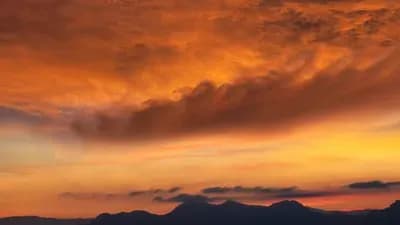
Kazakhstan's July Crucible: Navigating a Nation Divided by Extreme Weather
Kazakhstan's July Crucible: Navigating a Nation Divided by Extreme Weather

Bishkek's Summer Symphony: Navigating Heatwaves, Highland Rains, and the Call for Caution
Bishkek's Summer Symphony: Navigating Heatwaves, Highland Rains, and the Call for Caution
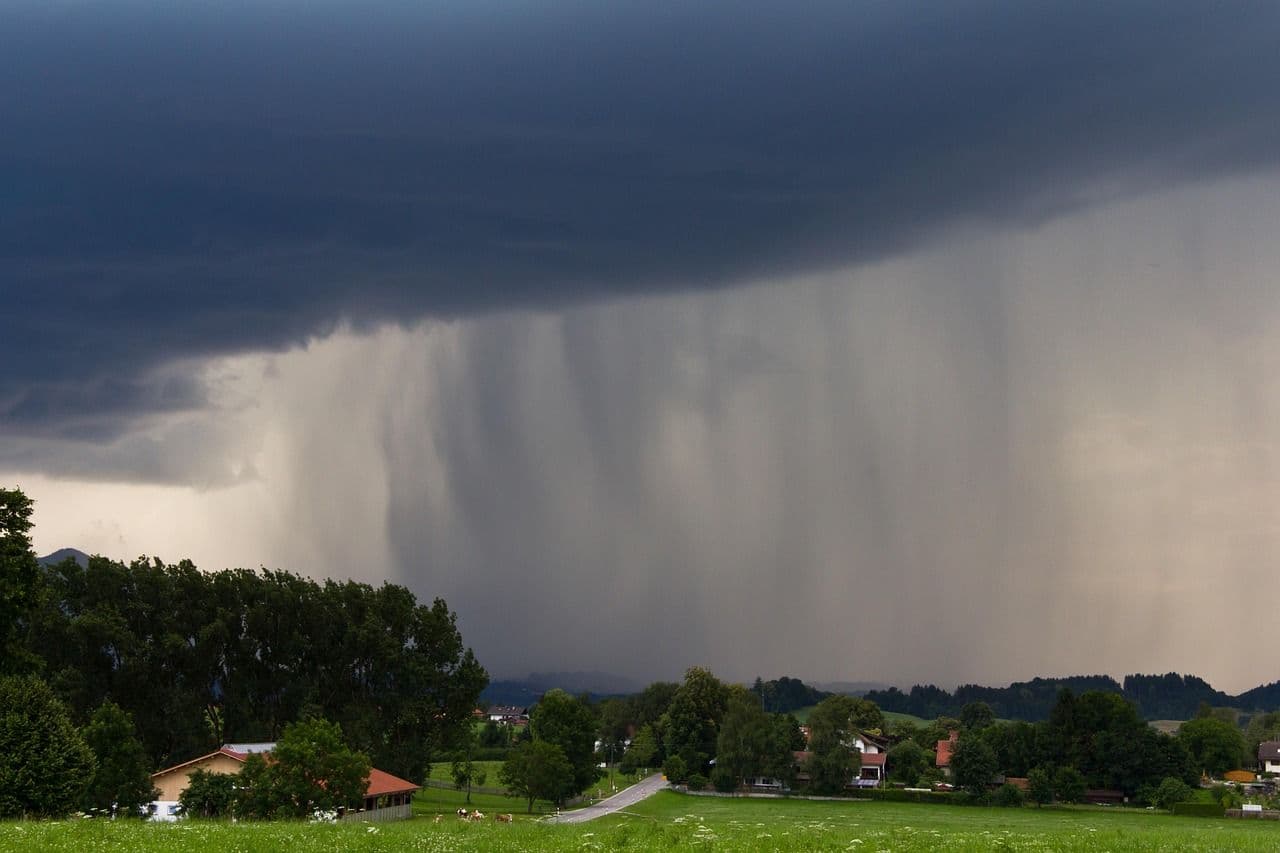
Biysk's August Unveiled: Decoding the Whispers of Changing Skies