
EU Agri-Food Trade Surplus Expands to €34.7 Billion Through August 2026
The EU agri-food trade surplus reached €34.7 billion from January to August 2026, driven by stable exports and falling import values for cocoa and related goods.

Agri-Food Trade Balance and Topline Performance
The European Union's cumulative agri-food trade surplus reached €34.7 billion across the first eight months of 2026, marking a notable increase of €4.1 billion compared to the corresponding period in 2025.
This expansion in the trade balance was primarily driven by a contraction in inbound shipments rather than export growth. Total EU agri-food imports fell by 4% year-on-year between January and August 2026, reaching a cumulative value of €122.9 billion. Meanwhile, European agri-food outbound trade demonstrated resilience, with exports remaining stable at €157.7 billion over the eight-month period.
Commodity Shifts and the Impact of Cocoa Price Adjustments
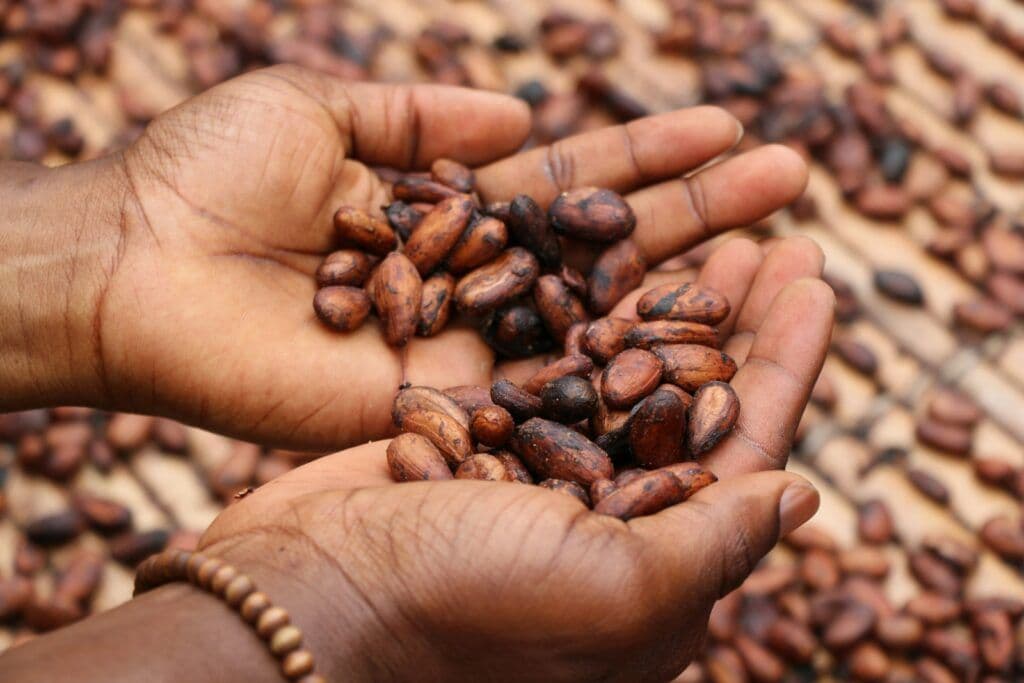
A significant factor underpinning the overall reduction in total import spending was the performance of tropical commodity imports. Specifically, the import category covering coffee, tea, cocoa, and spices registered a 19% drop in value during the first eight months of 2026.
In absolute monetary terms, this represented a decline of €5.5 billion for the product category. The contraction in value was largely driven by falling cocoa prices, which altered the cost profile of imported raw agricultural commodities relative to the prior year.
Shifts in Import Values Across West African Trading Partners
The reduction in cocoa-related trade had a direct impact on the value of imports originating from key producing countries in West Africa during the January–August 2026 window.
EU agri-food imports from Côte d'Ivoire contracted by 22% year-on-year. Other regional exporters experienced steeper declines: inbound shipments from Cameroon fell by 46%, while imports from Nigeria dropped by 47%. These downward movements reflect the reduced value of cocoa-related trade flows directed into the European Union.
Related Articles

EU Agri-Food Trade Surplus Expands to €34.7 Billion Through August 2026
EU Agri-Food Trade Surplus Expands to €34.7 Billion Through August 2026
EU Agri-Food Trade: Tropical Commodity Import Values Fall 19% Amid Lower Cocoa Prices
EU Agri-Food Trade: Tropical Commodity Import Values Fall 19% Amid Lower Cocoa Prices

South Africa Records $2.14 Billion Agricultural Trade Surplus in Q2 2026
South Africa Records $2.14 Billion Agricultural Trade Surplus in Q2 2026

South Africa Records $2.14 Billion Agricultural Trade Surplus in Q2 2026