
South Africa Records $2.14 Billion Agricultural Trade Surplus in Q2 2026
South Africa recorded an agricultural trade surplus of $2.14 billion in Q2 2026, an 11.6% increase driven by robust horticultural exports to Asia and the Middle East despite livestock disease hurdles and reduced shipments to the United States.
Record Quarter Underpinned by Strong Export Outbound Flow
Official quarterly data released by AgriSA and the Agricultural Business Chamber of South Africa (Agbiz) shows that South Africa's agricultural trade balance maintained positive momentum through the second quarter of 2026. The national agricultural sector generated a trade surplus of $2.14 billion for the three-month period, reflecting an 11.6% increase relative to the corresponding quarter of 2025.
This surplus expansion was underpinned by solid gains in total outbound shipments. Second-quarter agricultural exports reached $4.12 billion, registering a year-on-year growth rate of 9.1%. Concurrently, domestic demand for incoming agricultural commodities and related products saw imports climb by 6.4% year-on-year to reach $1.98 billion. Despite the increase in inbound purchases, export values comfortably outpaced imports, reinforcing the sector's standing as a net contributor to the country's foreign exchange earnings.
Horticultural Strength vs. Red Meat Biosecurity Headwinds
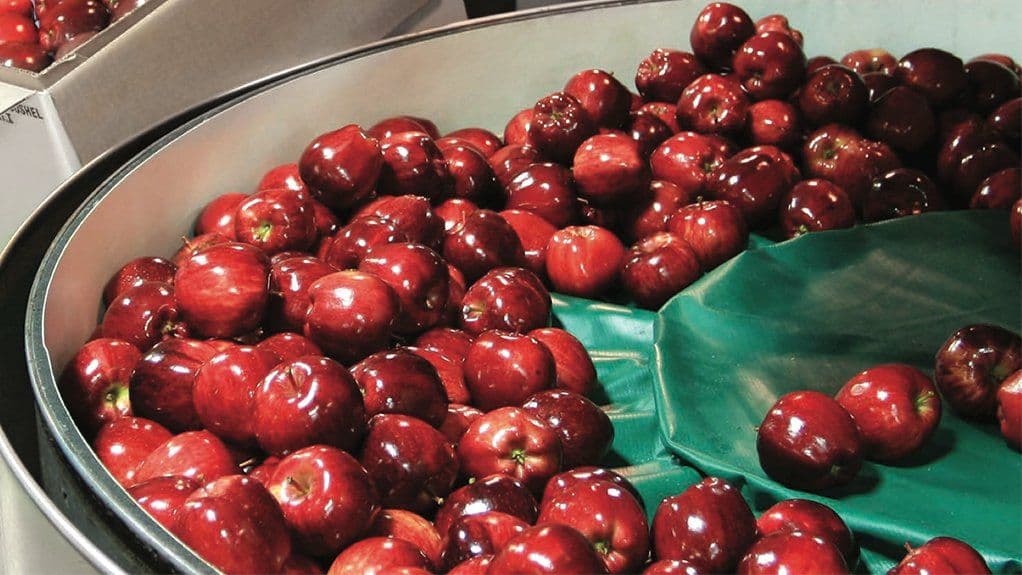
The composition of export revenue in Q2 2026 highlights the ongoing structural dominance of the horticultural sector within South African commercial agriculture. Horticultural produce constituted 51.3% of the total value of all agricultural products exported during the quarter. Within this category, citrus fruits—most notably lemons—served as the primary catalyst behind the aggregate volume and value expansion.
Conversely, South Africa's livestock and animal product sectors faced considerable headwinds. The red meat industry was unable to realize its export potential due to continuing cross-border restrictions prompted by foot-and-mouth disease (FMD). The country has been navigating the most extensive FMD outbreak in its history, which has resulted in persistent trade limitations and prevented domestic livestock producers from capitalizing on broader international trade gains.
Trade Realignment: Asian and Middle Eastern Growth Counters US Contraction
The trade performance figures also delineate clear geographical reorientations in South African export delivery channels. Outbound deliveries to the United States recorded a sharp downturn, falling 28% year-on-year in Q2 2026. This contraction was attributed to a combination of adjusted shipping timelines and lingering uncertainty regarding diplomatic and bilateral trade conditions.
To balance lower trade flows to traditional Western destinations, South African exporters recorded steep increases across selected Asian and Middle Eastern destinations. Shipments to Vietnam experienced exceptional growth, climbing 153% compared to the prior-year period. Exports to Saudi Arabia rose by 90%, while consignments bound for China advanced by 30%. These volume and revenue increases across alternative markets provided the necessary demand absorption to ensure a net expansion in aggregate export values.
Related Articles

South Africa Records $2.14 Billion Agricultural Trade Surplus in Q2 2026
South Africa Records $2.14 Billion Agricultural Trade Surplus in Q2 2026

Russia and South Africa Agree on Agricultural Roadmap Following October Trade Mission
Russia and South Africa Agree on Agricultural Roadmap Following October Trade Mission

EU Suspends Namibian Meat Imports Following Foot-and-Mouth Disease Outbreak
EU Suspends Namibian Meat Imports Following Foot-and-Mouth Disease Outbreak
Global Food Commodity Prices Reach Highest Level Since 2022 Amid Freight and Weather Pressures