
Global Food Commodity Prices Reach Highest Level Since 2022 Amid Freight and Weather Pressures
The FAO Food Price Index rose to 136.0 points in September 2026, reaching its highest mark since November 2022 amid shipping disruptions and weather risks.
FAO Food Price Index Climbs to Multi-Year Peak in September 2026
Global benchmark food commodity prices registered a notable increase in September 2026, taking the Food and Agriculture Organization (FAO) Food Price Index to its highest level since November 2022.
According to official reporting from the FAO, the Food Price Index averaged 136.0 points across the month of September 2026. This figure marks an increase of 1.5% compared to the revised level reported for August. The increase highlights renewed pressure on international agri-food trade, reversing previous moderations and returning global indices to peaks last observed nearly four years prior.
The overall upward momentum reflects tightening conditions across key agricultural sub-sectors, where compounded supply bottlenecks and environmental factors continue to influence international trade flows.
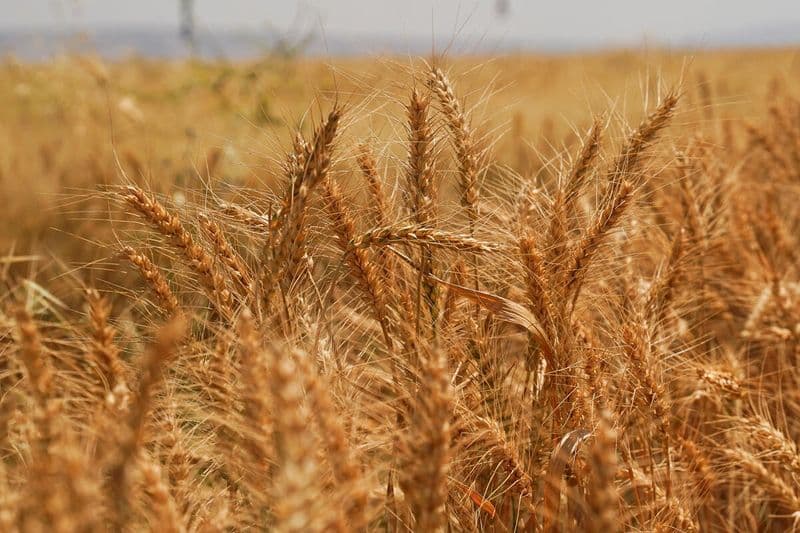
Cereal Price Index Surges on Wheat and Maize Pressures
A central component of September's price acceleration was the performance of the grains sector. The FAO Cereal Price Index recorded a monthly rise of 5.1%, driven by intensifying market conditions in core staples.
The increase within the cereal complex was primarily underpinned by upward price pressures in global wheat and maize markets. Market fundamentals for both grains experienced tightening tendencies over the period, contributing directly to the broader 1.5% climb in the composite index and reinforcing volatility across agricultural import channels.
Logistics Bottlenecks in the Black Sea and Strait of Hormuz
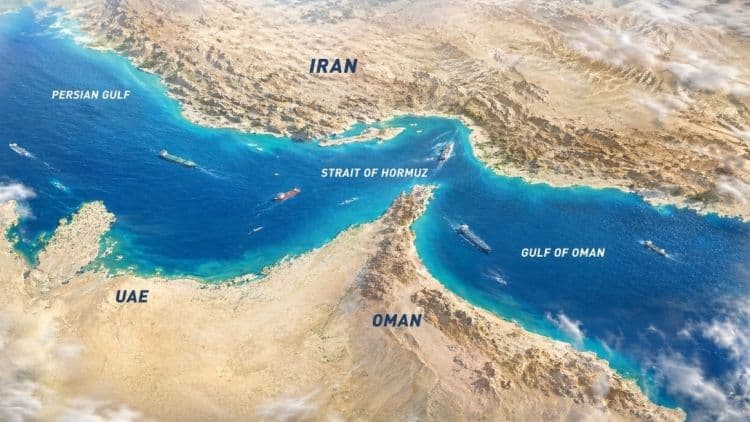
Transportation challenges and shipping corridors were identified as significant catalysts behind the index's climb. Specifically, critical logistics disruptions in both the Black Sea and the Strait of Hormuz played a key role in driving price increases.
The Black Sea serves as a crucial transit route for agricultural commodities, particularly cereals, while the Strait of Hormuz represents an essential artery for global trade logistics. Disruptions across these primary shipping corridors have introduced friction into commodity movements, constraining immediate availability and elevating landed costs for buyers participating in cross-border food procurement.
Adverse Weather and El Niño Risks Constrain Supply Outlook
Compounding the maritime transportation hurdles, adverse weather patterns have limited crop production expectations in major exporting zones. Dry conditions across North America, alongside broader concerns regarding the effects of El Niño, have weighed on harvest projections.
These meteorological factors have constrained supply prospects for key commodities, most notably wheat and sugar. As production forecasts for these crops adjust downward in response to dry weather and climatic volatility, international market balances have tightened, supporting the rise of the FAO Food Price Index to 136.0 points.
Related Articles
FAO Food Price Index Climbs to Nearly Four-Year High Amid Cereal and Transport Strains
FAO Food Price Index Climbs to Nearly Four-Year High Amid Cereal and Transport Strains
Black Sea Export Paralyzation Escalates Global Wheat Risk Premiums and FX Strain for Importers
Black Sea Export Paralyzation Escalates Global Wheat Risk Premiums and FX Strain for Importers
Euronext Wheat Climbs to Three-Week High Driven by Saudi Tender and Black Sea Security Concerns
Euronext Wheat Climbs to Three-Week High Driven by Saudi Tender and Black Sea Security Concerns
Strait of Hormuz Disruptions Threaten Global Fertilizer Trade and African Agriculture