
Black Sea Export Paralyzation Escalates Global Wheat Risk Premiums and FX Strain for Importers
Persistent strikes on Ukrainian Black Sea ports constrain grain logistics to half of potential capacity, driving global wheat futures higher and intensifying fiscal strain on African net-importing nations.
Maritime Grain Logistics Constrained by Port Strikes
Persistent Russian military strikes targeting Ukrainian Black Sea ports and critical infrastructure have severely constrained maritime grain logistics and physical shipments. These disruptions have restricted Ukraine's agricultural export capacity to approximately 50% of its total potential. Industry officials and market analysts warn that the ongoing constriction of transport routes threatens vital supply chains originating from the region, creating sustained uncertainty for international buyers relying on Black Sea origins.
Economic Projections Indicate Severe Revenue and Export Losses
The prolonged impediment to maritime grain exports carries deep financial consequences for agricultural producers and regional trade infrastructure. Current economic projections indicate that the persistent disruption to maritime trade corridors could cost Ukraine at least $8 billion in cumulative export revenue by mid-2027. These figures reflect the compounding economic toll of restricted throughput, higher operational friction, and constrained commercial shipping lanes across the Black Sea basin.
Global Wheat Futures Climb on Escalating Risk Premiums
International agricultural markets have reacted swiftly to the deteriorating security situation in key shipping corridors. Chicago wheat futures reached a multi-week high following escalated threats of strikes on regional infrastructure. Traders and market participants are actively pricing in sustained risk premiums to account for the heightened vulnerability of physical grain flows, adding immediate upward pressure to global food commodity price benchmarks.
Fiscal and Currency Pressures Mount for African Importing Nations
The convergence of Black Sea supply disruptions and rising global wheat prices is transmitting severe financial stress downstream to destination markets. African net wheat-importing countries face accelerated reserve depletion and heightened imported food inflation. These structural market pressures concentrate significant fiscal and foreign exchange (FX) strain on importing governments and domestic distribution networks as they attempt to secure necessary food supplies against higher international costs.
Related Articles

Euronext Wheat Climbs to Three-Week High Driven by Saudi Tender and Black Sea Security Concerns
Euronext Wheat Climbs to Three-Week High Driven by Saudi Tender and Black Sea Security Concerns

Poland and Romania Decline Expansion of Ukrainian Grain Transit Corridors
Poland and Romania Decline Expansion of Ukrainian Grain Transit Corridors

FAO Food Price Index Climbs to Nearly Four-Year High Amid Cereal and Transport Strains
FAO Food Price Index Climbs to Nearly Four-Year High Amid Cereal and Transport Strains
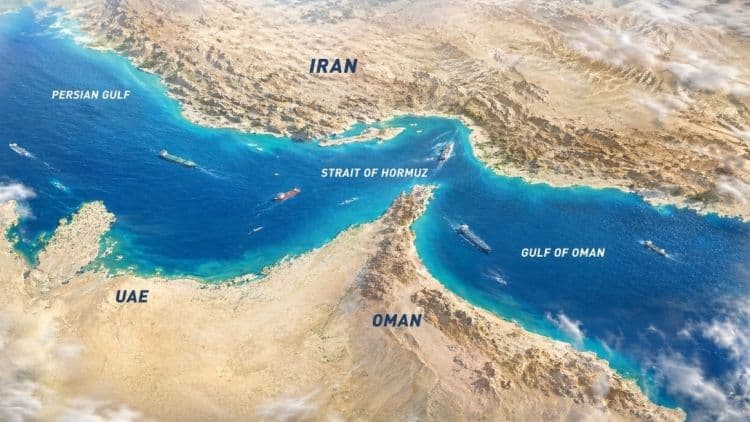
Strait of Hormuz Disruptions Threaten Global Fertilizer Trade and African Agriculture