
Strait of Hormuz Disruptions Threaten Global Fertilizer Trade and African Agriculture
Shipping disruptions in the Strait of Hormuz restrict vital fertilizer flows, driving up DAP prices and threatening food security in import-reliant African nations.
Chokepoint Paralysis Halts Critical Fertilizer Flows
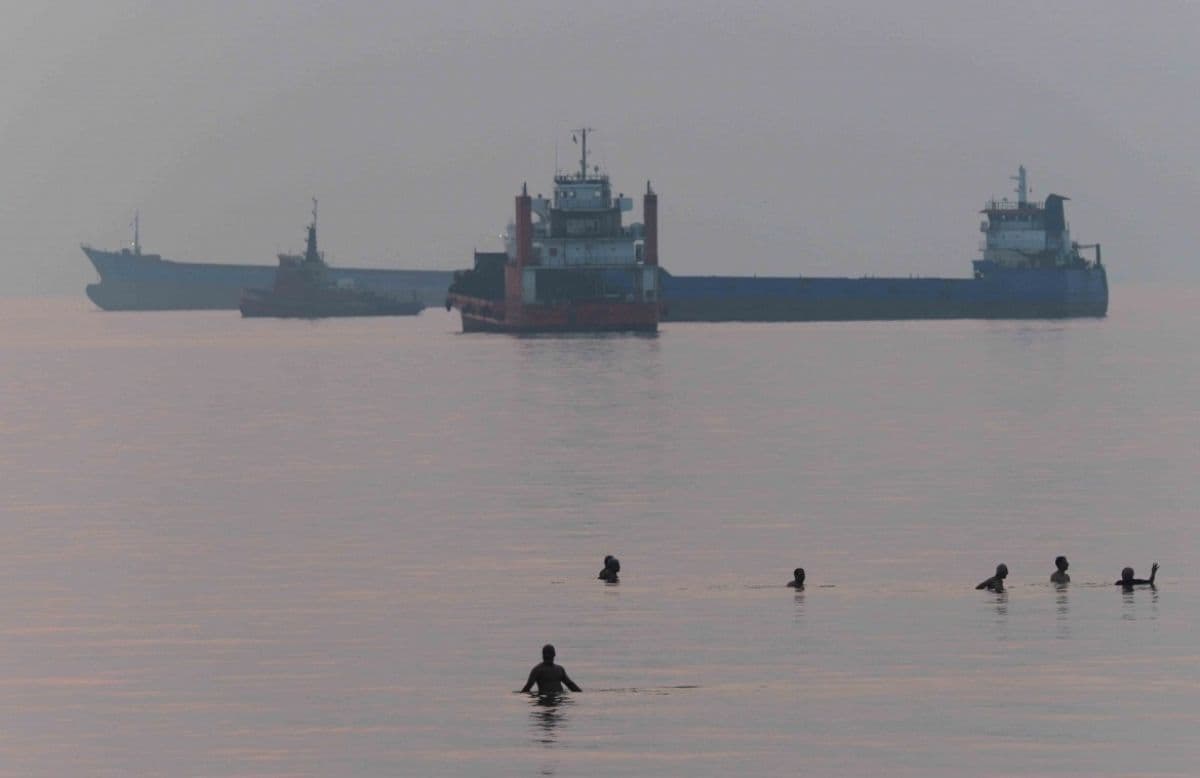
International fertilizer markets and agricultural supply chains are experiencing sustained pressure following ongoing shipping disruptions in the Strait of Hormuz. Stemming from an escalation of hostilities and conflict in the Middle East that began in early 2026, maritime transit through the waterway has been severely constrained.
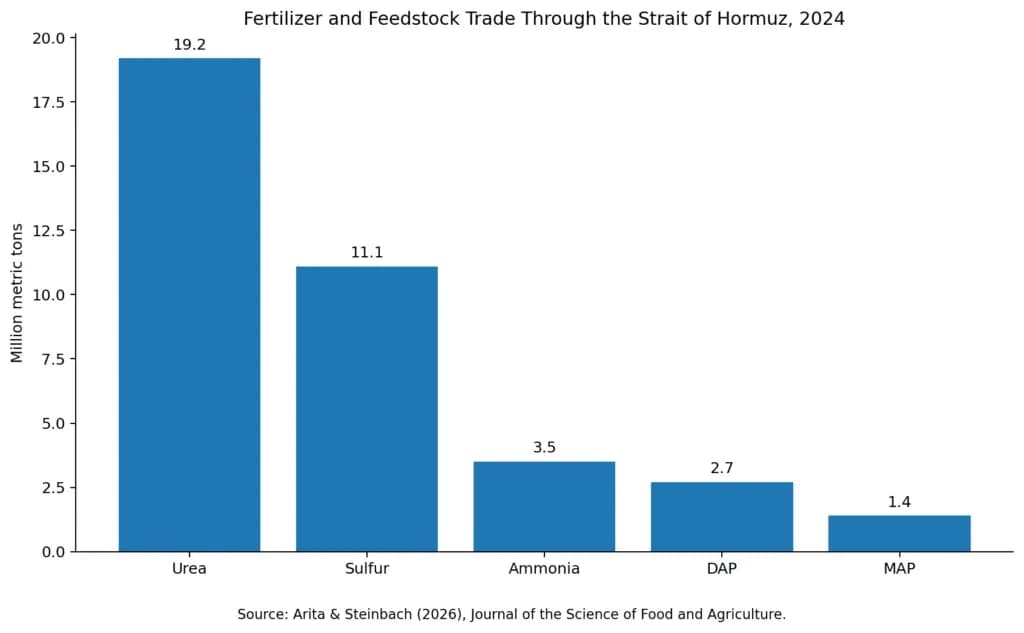
The Strait of Hormuz serves as a vital artery for agricultural inputs, historically accounting for approximately one-third of global fertilizer trade. However, since the onset of hostilities, the corridor has witnessed near-zero passage of fertilizer shipments, restricting the movement of essential plant nutrients and raw materials to international buyers and farming regions worldwide.
Surging Input Costs and Market Pressures
The prolonged closure and transit restrictions have triggered substantial price inflation across key agricultural inputs. Market data illustrates the acute price movements recorded over the course of 2026 as supply chains struggle to adjust to the bottleneck.
Prices for diammonium phosphate (DAP), a core phosphorus fertilizer essential for crop development, surged by 28.4% during the first nine months of 2026. DAP prices climbed from $625 per metric ton at the close of 2025 to reach $802.5 per metric ton by October 2026. This sharp upward trajectory underscores the compounding financial burden facing international agricultural producers and agribusinesses attempting to secure necessary crop nutrients.
Food Security Vulnerabilities in East and Southern Africa
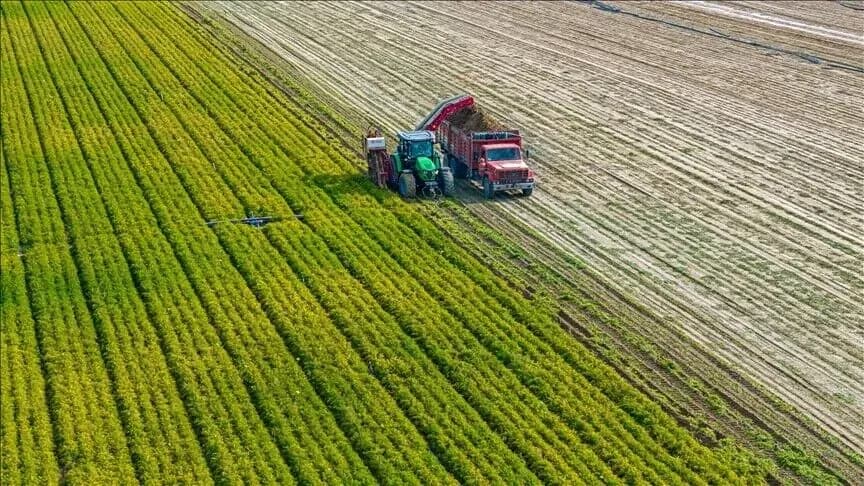
The supply contraction presents critical risks to international food security, with developing nations facing the most immediate exposure. United Nations officials have raised serious concerns regarding the potential fallout for vulnerable agricultural sectors.
According to Jorge Moreira da Silva, head of the UN Task Force for the Strait of Hormuz, several African nations maintain an exceptionally high dependence on supplies originating from the Gulf region. Specifically, countries including Sudan, Somalia, Mozambique, and Tanzania rely on the Gulf for 50% to 60% of their total fertilizer supplies. The absence of reliable transit through the strait poses severe challenges for farm input availability, planting schedules, and crop yields across these regional markets.
Proposed UN Emergency Transit Mechanism Awaits Political Clearance
In response to the mounting logistical crisis and escalating risks to global food security, international bodies have drafted operational plans to resume maritime trade for essential agricultural inputs.
The United Nations has developed a proposed emergency mechanism designed specifically to register, monitor, and facilitate the safe passage of fertilizer vessels and vital raw materials through the Strait of Hormuz. Despite the technical readiness of the framework, the system remains on standby as its formal implementation is entirely contingent on securing the necessary political agreement from the parties involved in the regional conflict.
Related Articles
FAO Food Price Index Climbs to Nearly Four-Year High Amid Cereal and Transport Strains
FAO Food Price Index Climbs to Nearly Four-Year High Amid Cereal and Transport Strains
Poland and Romania Decline Expansion of Ukrainian Grain Transit Corridors
Poland and Romania Decline Expansion of Ukrainian Grain Transit Corridors

The Invisible Hand: Unraveling the Global Forces Driving Diesel's Price Surge
The Invisible Hand: Unraveling the Global Forces Driving Diesel's Price Surge

From Drought to Dinner Plate: The Unseen Battles Behind Iran's Pinto Bean Prices