
EU Agri-Food Trade Surplus Reaches €39.6 Billion on Vegetable Oil Exports and Reduced Cocoa Imports
The EU's agri-food trade surplus expanded to €39.6 billion in the first nine months of 2026, supported by higher vegetable oil shipments and lower cocoa import values.
EU Agri-Food Trade Balance Expands by €4 Billion
Official trade data released by the European Commission shows that the European Union's cumulative agri-food trade surplus reached €39.6 billion for the first nine months of 2026. This figure marks an increase of €4 billion compared to the surplus recorded during the corresponding January-to-September period in 2025.
The widening positive balance reflects a combination of steady export growth and lower overall import spending across the bloc's international agricultural trade flows. EU agri-food exports between January and September 2026 totaled €179.2 billion, representing a 1% year-on-year increase from 2025 levels. Meanwhile, total agri-food imports into the European Union contracted by 2% year-on-year to €139.6 billion.
Surge in Vegetable Oil Exports to India Bolsters Outbound Trade
The overall growth in European Union agricultural exports was supported by strong performances in key commodity categories, led notably by the vegetable oils sector. During the first nine months of 2026, EU exports of vegetable oils grew by €540 million, representing a 31% surge compared to the same period in 2025.
A central driver of this expansion was an increase in sunflower oil deliveries to the Indian market. Shipments of European sunflower oil to India saw a notable rise, contributing directly to the 31% overall value increase across the EU's vegetable oil export portfolio and bolstering outbound trade performance.
Contraction in Cocoa Values Decreases Imports from West Africa
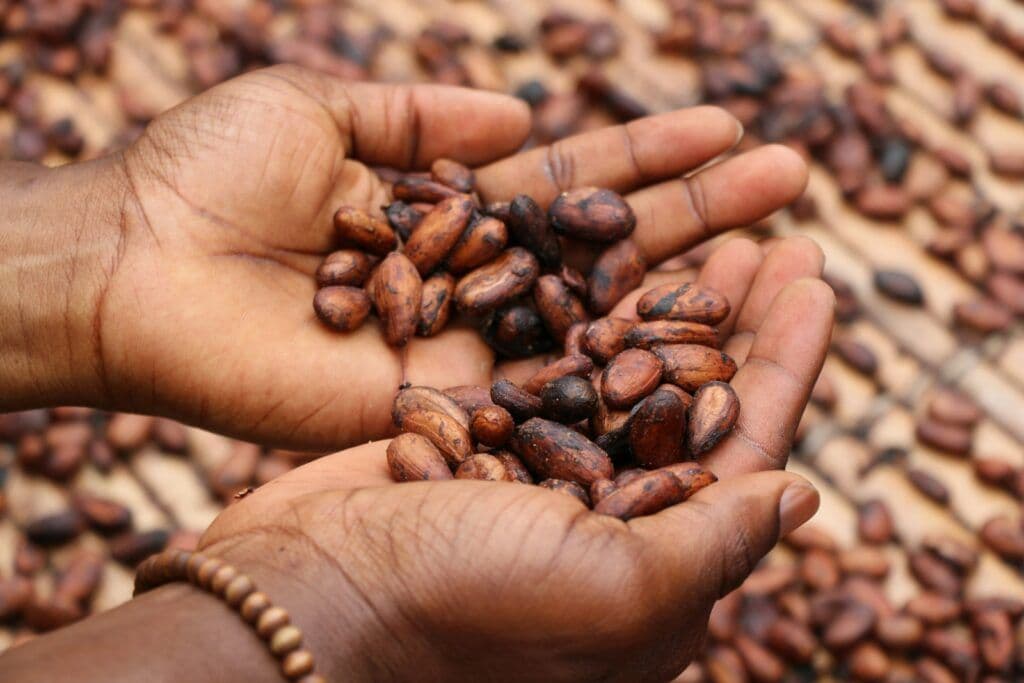
On the import side of the ledger, the European Union's 2% expenditure decline—bringing inbound shipments down to €139.6 billion—was primarily driven by shifts in the cocoa market. Both lower prices and reduced import volumes of cocoa products contributed to the reduced aggregate import bill relative to 2025.
This trend had a substantial impact on import values from major producing and exporting nations in West Africa:
- Côte d'Ivoire: EU imports fell by 20% compared to the first nine months of 2025.
- Cameroon: EU imports declined by 43% year-on-year.
- Nigeria: EU imports dropped by 47% year-on-year.
The sharp contraction across these three West African suppliers accounted for a significant share of the reduced cocoa spending, reinforcing the widening of the European Union's overall agri-food trade balance through September 2026.
Related Articles

EU Agri-Food Trade Surplus Expands to €34.7 Billion Through August 2026
EU Agri-Food Trade Surplus Expands to €34.7 Billion Through August 2026

EU Agri-Food Trade Surplus Expands to €34.7 Billion Through August 2026
EU Agri-Food Trade Surplus Expands to €34.7 Billion Through August 2026
EU Agri-Food Trade: Tropical Commodity Import Values Fall 19% Amid Lower Cocoa Prices
EU Agri-Food Trade: Tropical Commodity Import Values Fall 19% Amid Lower Cocoa Prices
Brazilian Agricultural Exports to the EU Expand 14.8% in Value Under Provisional Mercosur Agreement