
EU and IFAD Launch €14 Million ATHAZ Horticulture Initiative in Southern Africa
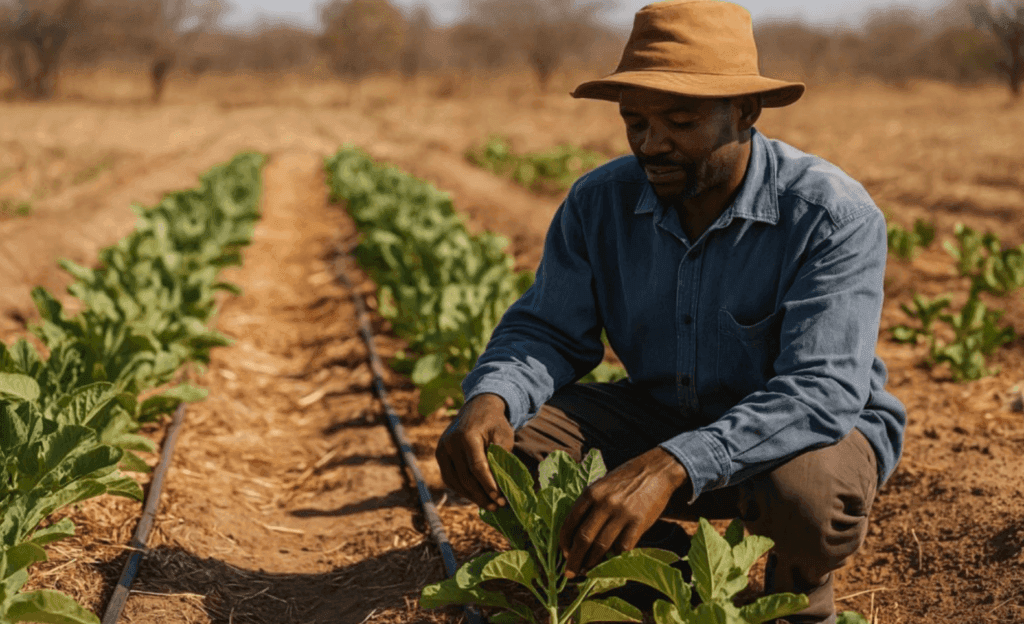
The EU and IFAD have launched the €14M ATHAZ program to support climate-resilient smallholder horticulture across Zimbabwe, Zambia, and Botswana through 2030.
EU and IFAD Partnership for Southern African Horticulture
On October 8, 2026, the European Union (EU) and the International Fund for Agricultural Development (IFAD) officially launched the ATHAZ program, a €14 million initiative designed to advance climate-resilient horticulture across Southern Africa.
Funded by the EU and coordinated by IFAD, the program focuses on three Southern African countries: Zimbabwe, Zambia, and Botswana. The initiative is structured to direct resources toward supporting smallholder horticulture in the region, operating over a multi-year timeframe spanning from 2026 through 2030.
Scope and Beneficiary Targets
The ATHAZ program is specifically designed to engage smallholder producers. Across its operational window between 2026 and 2030, the project targets reaching approximately 15,000 smallholder farming households.
This target coverage represents approximately 75,000 individuals across the participating territories of Zimbabwe, Zambia, and Botswana, addressing the smallholder demographic central to local horticulture production.
Key Agroecological Interventions and Value Chain Support
Programmatically, ATHAZ focuses on deploying climate-smart, agroecological solutions tailored to the production challenges faced by smallholders. Key areas of focus include:
- Efficient water use techniques to enhance water management in farming operations.
- Development and adoption of resilient seed systems.
- Implementation of integrated pest management practices.
- Strengthening agricultural market value chains to support commercialization and market resilience for smallholder produce.
Establishment of Regional Innovation Hubs
To facilitate implementation and adoption, the ATHAZ initiative will establish nine dedicated "innovation hubs" distributed across Zimbabwe, Zambia, and Botswana.
These innovation hubs will serve as centers to test and share practical, agroecological farming solutions directly with producers, underpinning the wider rollout of resilient horticultural practices throughout the three partner nations.
Related Articles
EU and IFAD Launch €14 Million Agroecological Horticulture Initiative Across Southern Africa
EU and IFAD Launch €14 Million Agroecological Horticulture Initiative Across Southern Africa

Asia Africa Agri Alliance Highlights Bilateral Trade and Processing Investments at GLOBOIL India 2026
Asia Africa Agri Alliance Highlights Bilateral Trade and Processing Investments at GLOBOIL India 2026
EU and Netherlands Back €30 Million Cold-Chain Rail Hub in Naivasha to Boost East African Produce Trade
EU and Netherlands Back €30 Million Cold-Chain Rail Hub in Naivasha to Boost East African Produce Trade

Tanzania and UAE Launch Green Silk Road Initiative to Strengthen Food Supply Chains