
EU Packaging Rules and Chemical Bans Redefine Market Access for Vietnamese Agricultural Exporters
Vietnamese food exporters face stricter European Union market access hurdles following new packaging regulations, chemical bans on BPA and PFAS, and sustainability standards detailed at the Vietnam Food Forum 2026.
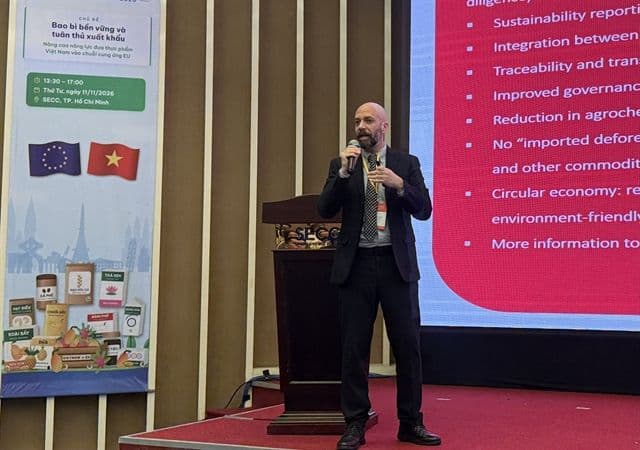
Vietnam Food Forum Addresses Evolving EU Entry Standards
At the Vietnam Food Forum 2026, held on November 11, industry participants focused heavily on the shifting regulatory landscape governing food packaging and imports into the European Union. Regulatory updates established by European authorities have emerged as critical market-access gatekeepers for Vietnamese agricultural producers and exporters targeting the European trade corridor.
As European food safety and environmental directives expand, compliance with these evolving rules has become mandatory for maintaining trade channels. Vietnamese exporters supplying food and agricultural commodities must adjust operations to satisfy newly active chemical limits and packaging waste standards to preserve market access across EU member states.

Immediate Compliance Hurdles: Chemical Bans on BPA and PFAS
A significant focus for trade compliance centers on recent prohibitions targeting specific chemical substances used in food contact materials. Effective July 20, 2026, the European Union instituted a broader ban on Bisphenol A (BPA) covering most food-contact materials, including plastics, coatings, and linings used in agri-food packaging.
In addition to the BPA restrictions, Vietnamese exporters must verify adherence to strict chemical limits concerning per- and polyfluoroalkyl substances (PFAS). Compliance with these PFAS restrictions in packaging materials became legally enforceable on August 12, 2026. Together, these regulatory timelines force food suppliers to re-evaluate their packaging formulations and supply chain verification mechanisms.

Long-Term Packaging Obligations Under the EU PPWR
Beyond chemical restrictions, long-term market access hinges on compliance with the EU's Packaging and Packaging Waste Regulation (PPWR). The framework mandates that all packaging placed on the EU market must be fully recyclable or reusable by the year 2030.
To satisfy the PPWR mandates, agricultural and food exporters are subject to new lifecycle assessments and comprehensive documentation standards. Vietnamese exporters sending agricultural products to Europe must consequently align their packaging materials and documentation practices with these mandatory environmental standard milestones.
Related Articles

EU Council Adopts Negotiating Stance on 'Technical Zero' Pesticide Residue Limits for Agricultural Imports
EU Council Adopts Negotiating Stance on 'Technical Zero' Pesticide Residue Limits for Agricultural Imports
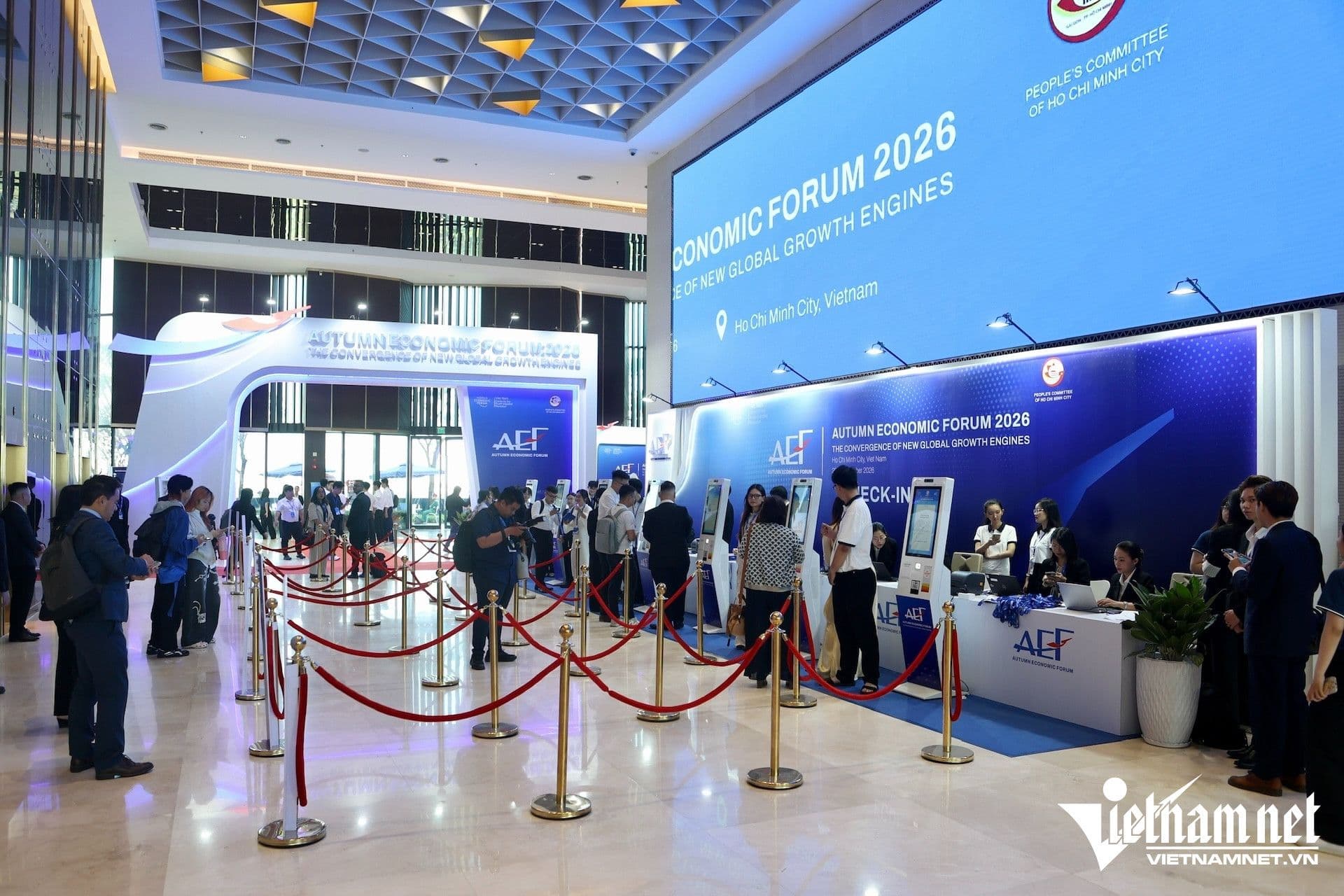
Vietnam Proposes Green Logistics Corridors to Strengthen Agricultural Supply Chains
Vietnam Proposes Green Logistics Corridors to Strengthen Agricultural Supply Chains
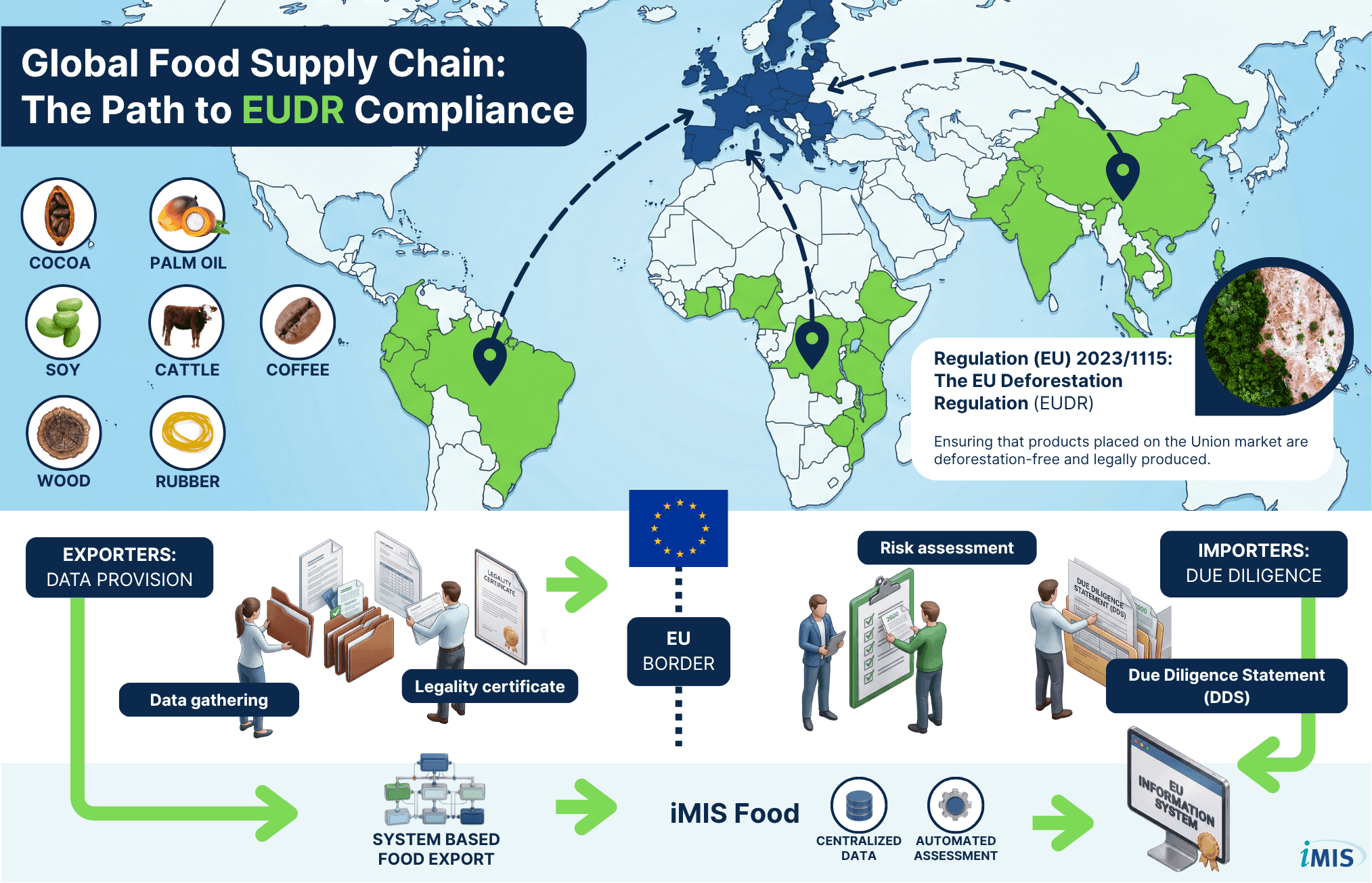
EU Deforestation Regulation: Compliance Deadlines and Requirements for Agricultural Trade
EU Deforestation Regulation: Compliance Deadlines and Requirements for Agricultural Trade

EU Council Adopts Negotiating Stance on Post-2027 Agricultural CMO Framework