
Vietnam Proposes Green Logistics Corridors to Strengthen Agricultural Supply Chains
Vietnam plans digitally-coordinated green logistics corridors and Mekong Delta cold chains to improve agricultural export transparency and ESG compliance.
Pilot Program for Green Logistics Corridors
At the 2026 Autumn Economic Forum, Vietnamese trade officials presented strategic proposals to overhaul agricultural transport routes through sustainable infrastructure. Bui Ba Nghiem, representing the Ministry of Industry and Trade, proposed the introduction of a pilot program designed to establish digitally-coordinated green logistics corridors.
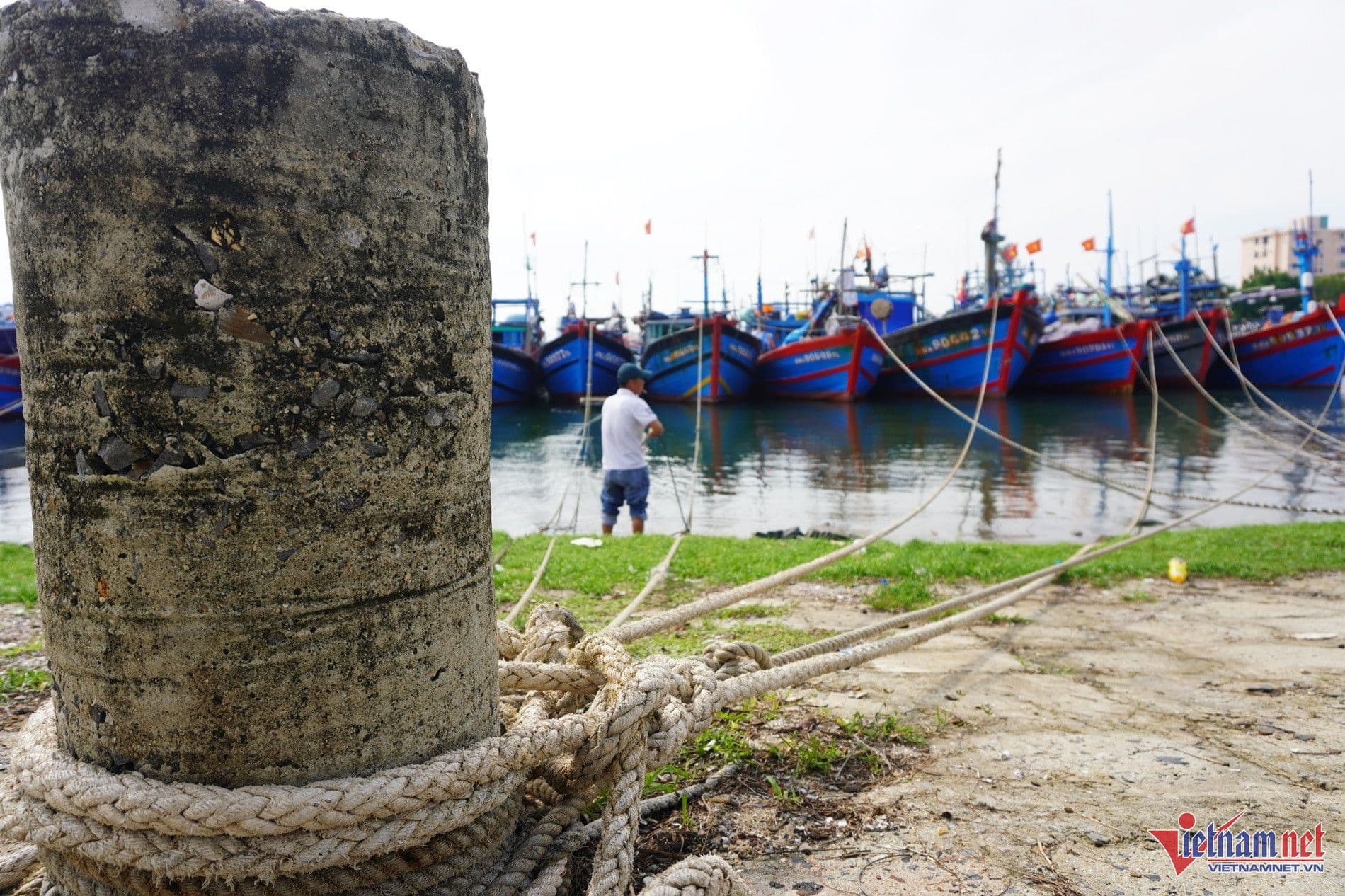
Under this initiative, transport routes will directly connect key rural production zones to major maritime export gateways, specifically targeting the route to the Cai Mep – Thi Vai deep-water port complex. The initiative focuses on coordinating logistical steps to lower environmental impacts while preserving product integrity along outbound freight routes. By focusing on critical arteries connecting agrarian hubs to premier deep-water shipping terminals, the strategy targets structural efficiencies necessary for moving bulk and high-value agricultural consignments into international channels.
Digitally Monitored Agricultural Cold Chains in the Mekong Delta
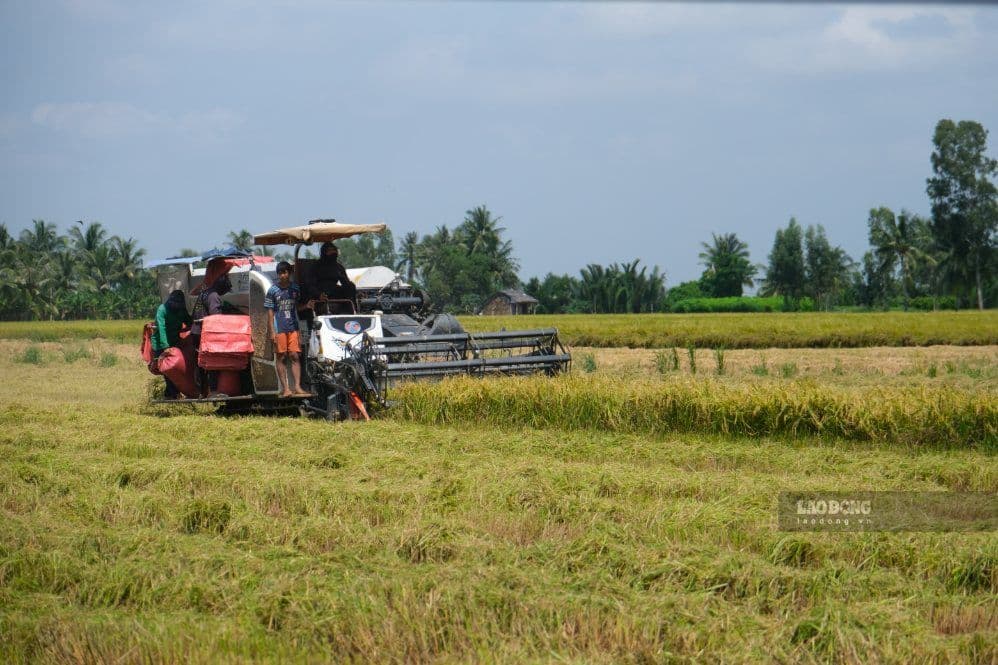
A central pillar of the green logistics proposal centers on the development of a digitally-monitored agricultural cold chain located throughout the Mekong Delta. As Vietnam's primary agricultural and food production engine, the region requires specialized temperature management and monitoring systems to safeguard sensitive goods destined for overseas markets.
The framework proposed at the forum integrates digital tracking to monitor essential stages across the entire logistical cycle. This includes the systematic recording of cargo loading procedures, continuous verification of storage temperatures, and real-time updates regarding customs clearance status. Implementing transparent, digitally-verified cold chain infrastructure is intended to minimize agricultural spoilage, ensure product viability during transit, and optimize handovers between inland transport operators and seaport terminals.
Overcoming Data Fragmentation and Logistical Bottlenecks
While the transition to green logistics is recognized as essential, industry analysts and delegates at the 2026 Autumn Economic Forum highlighted critical operational obstacles currently facing the domestic transport sector. Primary among these challenges are pervasive data fragmentation and inconsistent operational standards across different logistics providers and municipal checkpoints.
According to forum experts, disconnected digital tools and conflicting standards across transit nodes impede the establishment of streamlined, low-emission supply chains. Resolving these discrepancies requires standardizing reporting metrics and synchronizing data flow from the packing facility through intermediate warehousing to export docks. Establishing unified data protocols across agricultural freight operations is viewed as a prerequisite for eliminating supply chain delays, optimizing vehicle utilization, and lowering operational costs across export corridors.

Fulfilling International ESG and Emissions Standards
The push toward integrated green corridors and transparent cold chains directly responds to tightening international trade demands. Major destination markets are progressively implementing rigorous expectations regarding environmental, social, and governance (ESG) performance, alongside mandatory reporting of logistics-related emissions.
Vietnamese trade representatives underscored that without verifiable transparency and documented carbon management, agricultural shipments risk competitive disadvantages in high-standard global markets. Implementing digital oversight over cargo temperatures, loading, and transit allows exporters to provide authenticated environmental and handling data. The green corridor pilot represents an effort to secure long-term market access by directly matching Vietnam's logistical infrastructure with foreign buyer demands for emissions tracking and transparent supply chain operations.
Related Articles

The Pepper Anomaly: Decoding Vietnam's Unshaken Market in a Shifting Global Landscape
The Pepper Anomaly: Decoding Vietnam's Unshaken Market in a Shifting Global Landscape
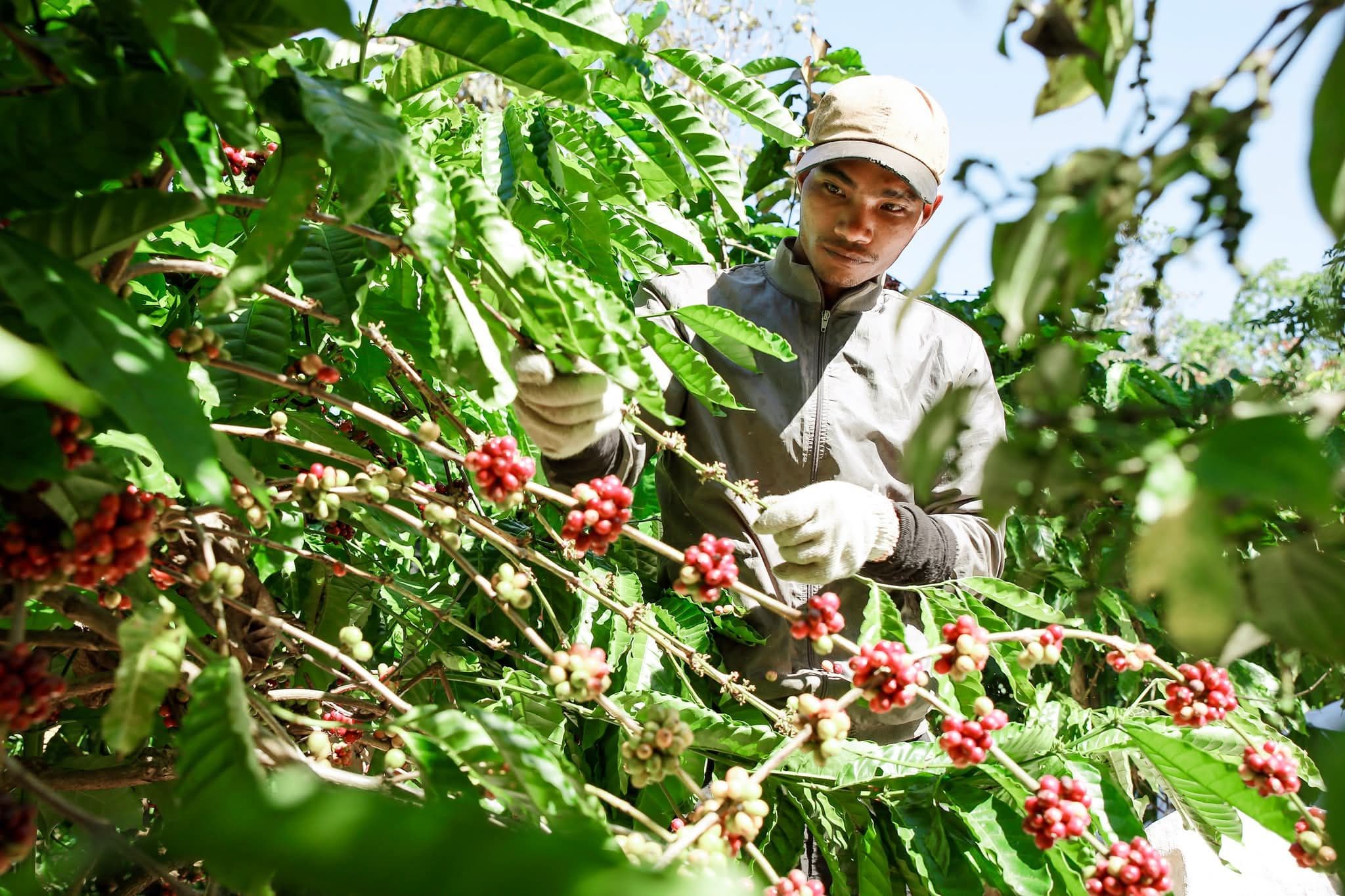
Sweet Success, Bitter Policy? Navigating Vietnam's Unprecedented Coffee Season
Sweet Success, Bitter Policy? Navigating Vietnam's Unprecedented Coffee Season
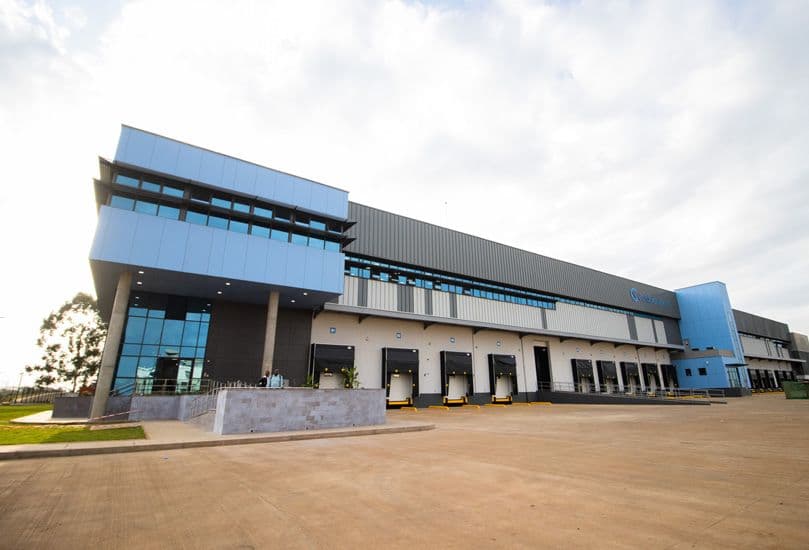
EU and Netherlands Back €30 Million Cold-Chain Rail Hub in Naivasha to Boost East African Produce Trade
EU and Netherlands Back €30 Million Cold-Chain Rail Hub in Naivasha to Boost East African Produce Trade

Harvesting Resilience: Vietnam's Pepper Market Charts an Independent Course