
Global Rice Trade Faces Heightened Volatility as El Niño Strains Asian Production
Strong El Niño conditions drive Thai rice prices to near two-year highs and prompt USDA and FAO forecasts of the first global production drop in over a decade.
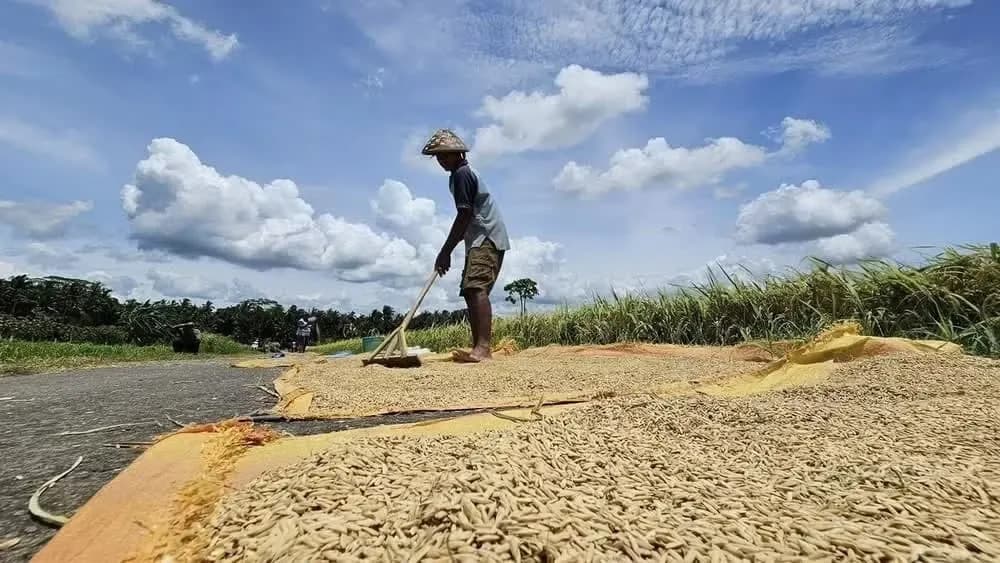
El Niño Drought Drives Asian Export Benchmarks to Multi-Year Highs
Severe climatic disruptions have tightened international rice availability as a strong El Niño pattern brings dry conditions to key growing regions across Asia. The resulting weather-driven pressure has triggered a sustained upward movement in primary physical export quotations.
As of November 4, 2026, the price of Thai 5% broken white rice—widely monitored as a leading global benchmark for the grain trade—climbed to $499 per tonne. This level marks the highest physical export price recorded for the grade since December 2024, reflecting intensifying supply constraints in top exporting hubs facing prolonged drought. The surge in export values demonstrates how localized weather patterns in Asian producing nations rapidly propagate volatility throughout international commodity channels.
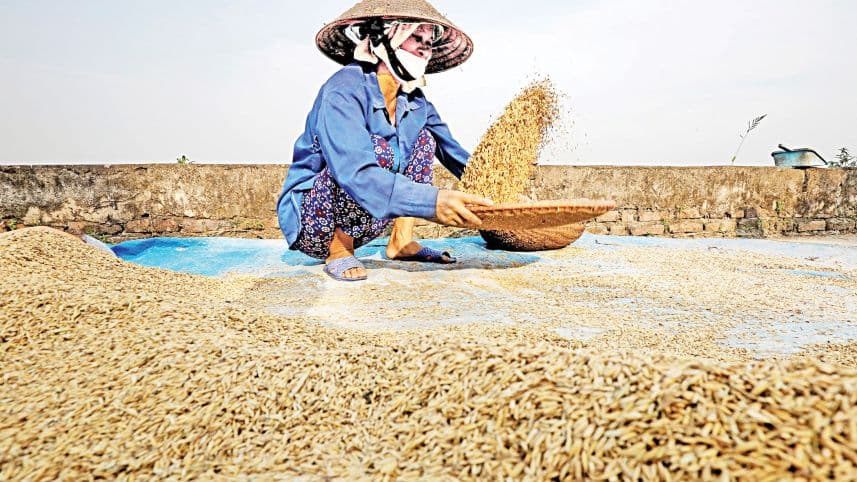
USDA and FAO Project First Global Production Contraction in Over a Decade
The persistent dry weather in Asia has shifted international agricultural assessments for the upcoming marketing year. Both the United States Department of Agriculture (USDA) and the Food and Agriculture Organization of the United Nations (FAO) have projected a formal decline in worldwide rice production for the 2026/27 cycle.
This projected decrease marks an unprecedented shift in global output patterns, representing the first global production decline reported in more than ten years. Decades of steady aggregate growth have faced an abrupt halt under the cumulative pressure of El Niño-induced weather shocks, raising critical supply considerations across international agricultural institutions and standard-setting agencies that track food grain balances.
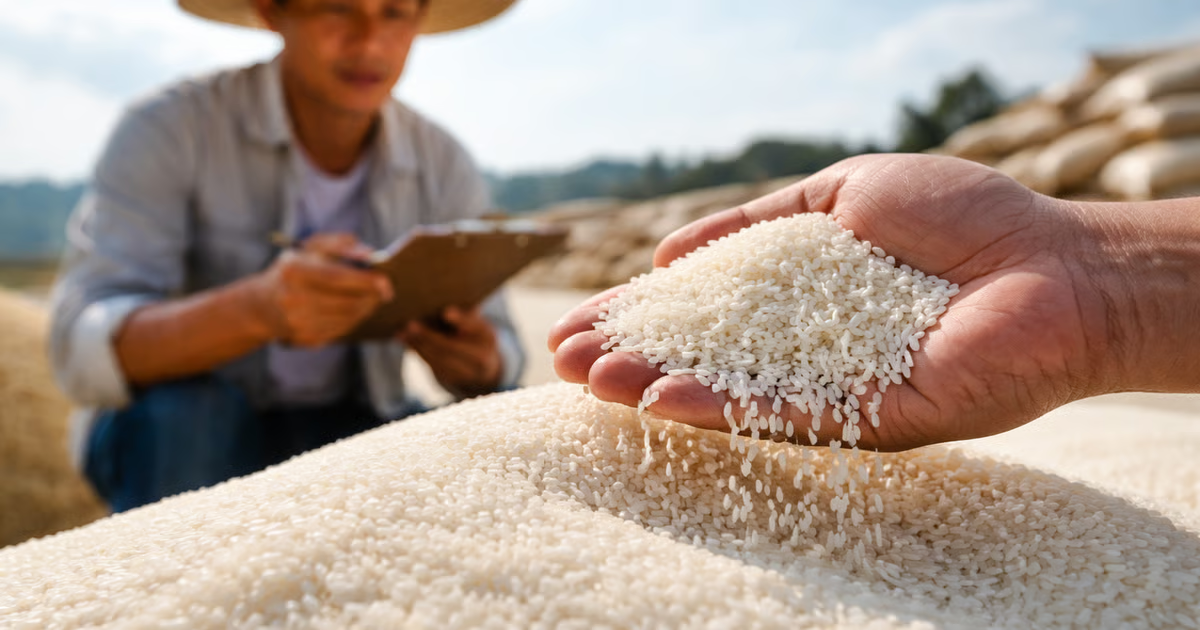
Chicago Futures Surge Reflects Broad Commodity Volatility
The repercussions of tightening Asian supplies and lower forward crop forecasts have echoed across financial derivatives and physical markets alike. On the Chicago exchange, rough rice futures have registered historic upward movement, surging by more than 80% since the start of 2026.
This steep escalation in futures pricing emphasizes the severity of market adjustments as traders and supply chain operators react to weather-driven deficits in major Asian producing regions. With physical Asian export values reaching near two-year highs and futures values exhibiting rapid gains, the global rice trade continues to experience pronounced price volatility across both cash and derivative sectors.
Related Articles

Global Rice Benchmark Hits Two-Year High as El Niño Threatens Asian Output
Global Rice Benchmark Hits Two-Year High as El Niño Threatens Asian Output

Global Benchmark Asian Rice Prices Climb to Two-Year High on Output Disruptions
Global Benchmark Asian Rice Prices Climb to Two-Year High on Output Disruptions
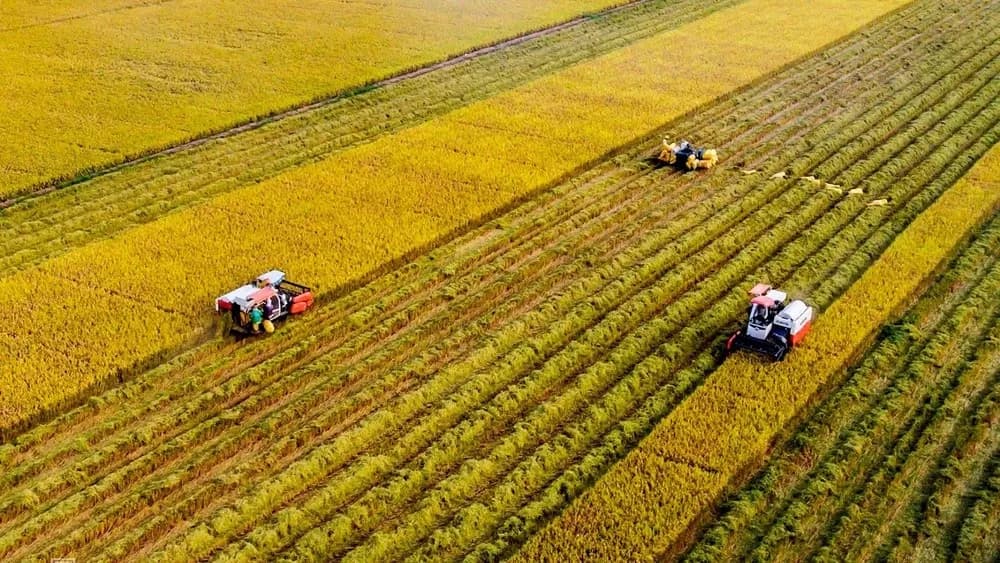
Asian Export Rice Prices Rise Across Key Origins Amid Production and Logistics Constraints
Asian Export Rice Prices Rise Across Key Origins Amid Production and Logistics Constraints

Asian Rice Export Prices Hold Firm Amid Tight Regional Supply and Weather Vulnerabilities