
UK Supermarkets Back New UK-EU SPS Agreement to Ease Food Trade Friction
Major UK supermarkets endorse a new UK-EU trade agreement establishing a Common Sanitary and Phytosanitary Area to streamline food trade starting March 2028.
Supermarkets Endorse New UK-EU Agri-Food Pact
Following a summit on November 20, 2026, major UK grocery retailers announced their support for a new trade agreement between the United Kingdom and the European Union focused on food and agricultural products.
The coalition of backing retailers includes major market players such as Tesco, Marks & Spencer, Morrisons, Lidl, Asda, and the Co-op. The agreement represents a major policy step aimed at easing trade procedures between Great Britain and the EU market.
Establishment of a Common Sanitary and Phytosanitary Area
At the core of the bilateral agreement is the establishment of a Common Sanitary and Phytosanitary (SPS) Area. This regulatory framework is designed to align UK and EU standards regarding food safety, alongside animal and plant health rules.
By creating a shared SPS zone, the deal sets out standard regulatory benchmarks for agricultural production and food processing across both territories, addressing cross-border compliance requirements.
Timeline and Border Check Reductions
The provisions outlined in the agreement are scheduled to take effect officially on March 1, 2028.
Once implemented, the agreement aims to eliminate the requirement for most Export Health Certificates (EHCs) on trade between the two regions. Additionally, it targets the removal of routine physical border inspections for eligible food and plant shipments, significantly altering standard post-Brexit customs and sanitary procedures.
Industry Response and Consumer Impact Expectations
Retailers and agricultural trade experts have recognized the pact as a meaningful movement toward reducing administrative and logistical friction in the food supply chain.
However, trade groups have urged realistic expectations regarding consumer costs. The British Retail Consortium noted that while the reduction of administrative barriers and border checks is expected to improve supply chain operations, immediate price reductions for end consumers are not expected.
Related Articles
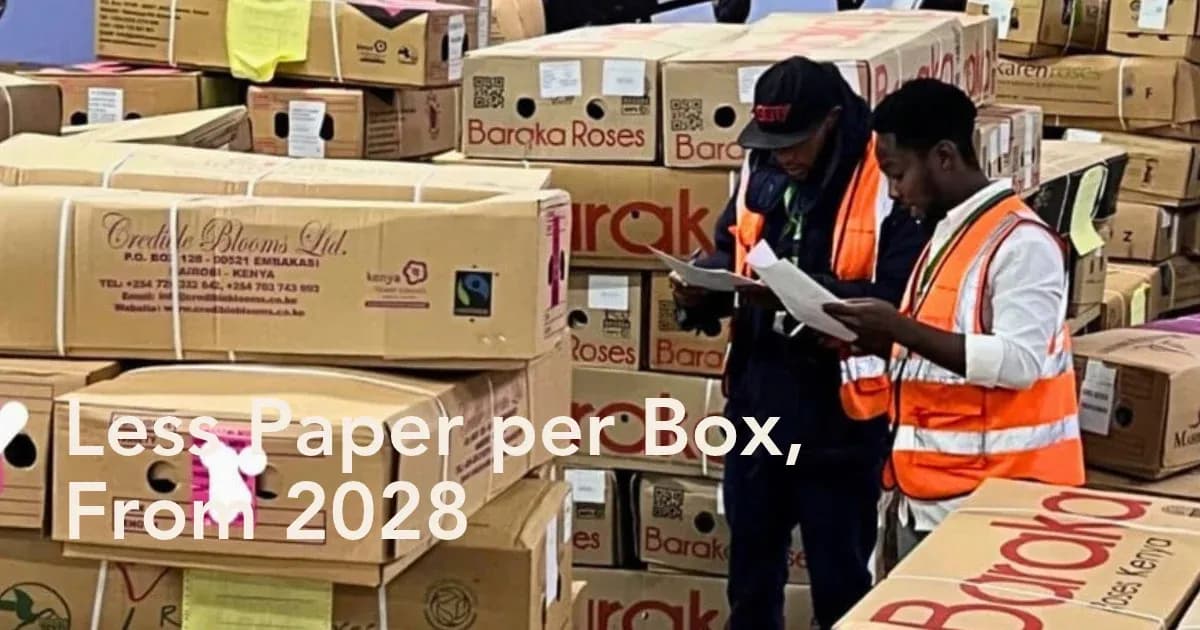
UK and EU Finalize SPS Agreement to Streamline Agri-Food Border Trade
UK and EU Finalize SPS Agreement to Streamline Agri-Food Border Trade

UK and EU Sign Landmark SPS Agreement to Streamline Agri-Food Border Trade
UK and EU Sign Landmark SPS Agreement to Streamline Agri-Food Border Trade
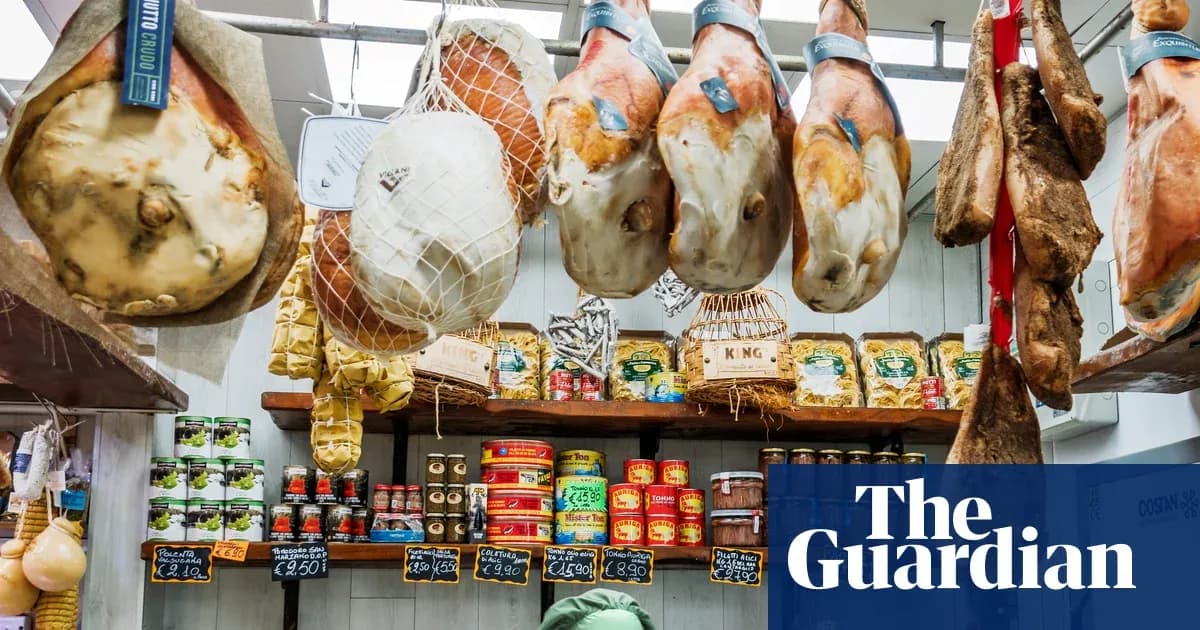
UK and EU Finalize Draft SPS Agreement to Remove Post-Brexit Food Trade Checks
UK and EU Finalize Draft SPS Agreement to Remove Post-Brexit Food Trade Checks

UK and EU Set to Sign Landmark SPS Trade Agreement at Brussels Summit