
ASEAN Food Security Alliance Launches Policy Framework to Drive Agricultural Investment and Trade
The ASEAN Food Security Alliance has launched a regional policy framework targeting agricultural infrastructure, trade facilitation, and a blended finance facility.
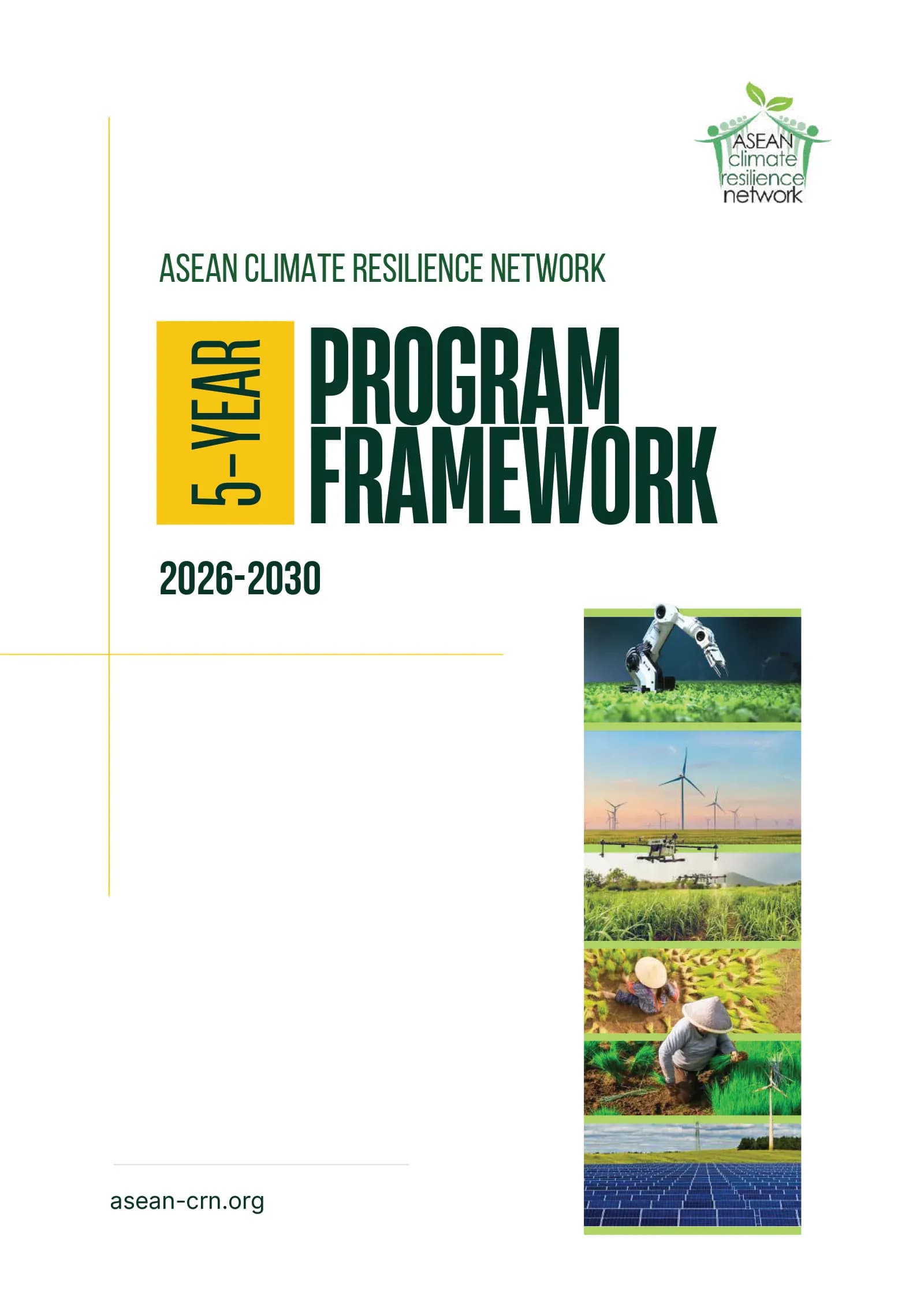
Launch of the Regional Food Security Policy Framework
On November 14, 2026, the ASEAN Food Security Alliance (AFSA) officially launched the ASEAN Food Security Policy Framework and Partnerships in Manila. The initiative is structured to strengthen regional food security by advancing private-sector-led strategies, facilitating infrastructure financing, and promoting cross-border trade cooperation across member states.
The policy rollout comes in response to ongoing challenges across regional food systems, prioritizing collaborative mechanisms to stabilize supply chains, attract capital, and address environmental and climate-related risks that impact agricultural production and distribution.
Five Core Strategic Objectives
The framework establishes five primary objectives designed to modernize and protect the region's agricultural landscape:
- Attracting Investment for Small Producers: Channeling commercial capital and support mechanisms directly toward small-scale agricultural producers to enhance operational capacity.
- Facilitating Regional Food Trade: Streamlining trade corridors and reducing operational barriers to improve the movement of food commodities within ASEAN.
- Financing Agricultural Infrastructure: Mobilizing resources to upgrade post-harvest, storage, logistics, and processing infrastructure.
- Strengthening Crisis Coordination and Climate Innovation: Establishing operational responses for supply disruptions while deploying innovative practices to mitigate climate vulnerabilities.
- Protecting Land Rights and Environmental Sustainability: Safeguarding producer tenure and encouraging sustainable land-use practices to secure long-term resource availability.
The 5P Model and Blended Finance Facility
To deliver on these priorities, the framework advocates for an expanded collaboration structure termed 'Public-Private-Producer-People Partnerships' (5Ps). This approach aims to leverage private-sector innovation and commercial leadership alongside governmental policies, smallholder producers, and civil communities to drive systemic improvements across regional food systems.
A key financial instrument proposed under the framework is the creation of a dedicated ASEAN blended finance facility. Targeting a funding range of USD 500 million to USD 1 billion, this facility is designed to blend concessional capital and commercial funding to underwrite high-impact agricultural infrastructure projects and technological innovations.
Alignment with the ASEAN FAF-SP 2026–2030
The framework is aligned with the ASEAN Food, Agriculture and Forestry Sectoral Plan (FAF-SP) 2026–2030. Under this overarching regional plan, member countries seek to build food and agricultural systems that are sustainable, inclusive, and resilient against external shocks.
By integrating the private sector via the 5Ps approach and establishing targeted financial mechanisms, the framework operationalizes the goals of the FAF-SP 2026–2030, reinforcing regional cooperation in agricultural trade and infrastructure development.
Related Articles

FARM+ Program Expands Sustainable Agriculture and Input Transition with Over $1 Billion Investment
FARM+ Program Expands Sustainable Agriculture and Input Transition with Over $1 Billion Investment
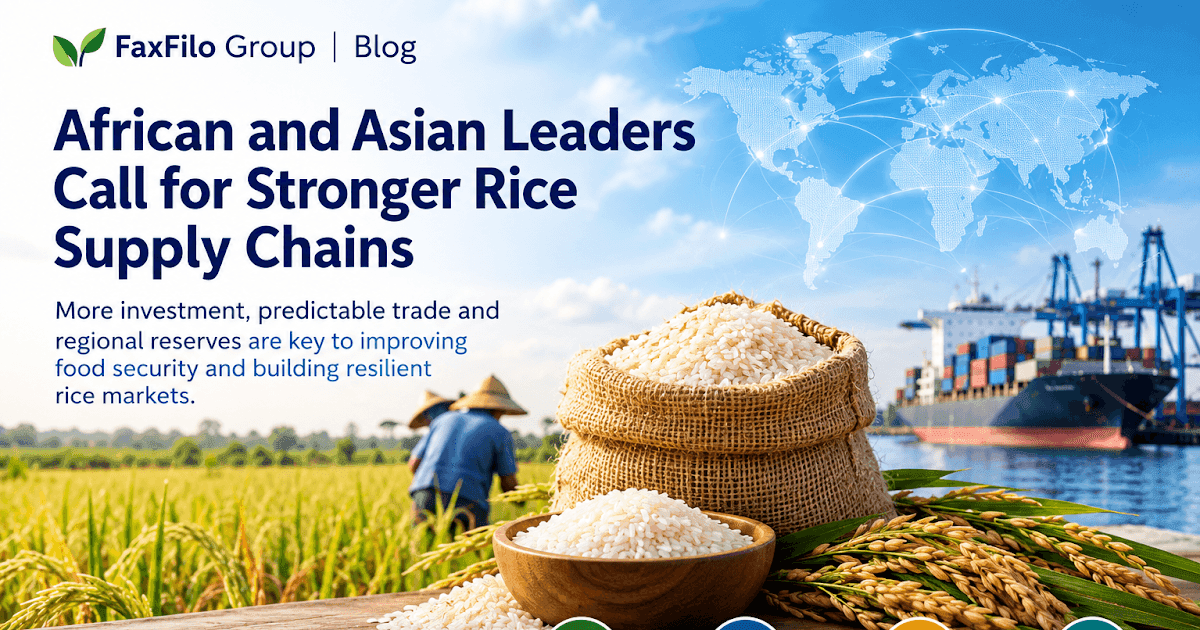
African and Asian Leaders Call for Regional Rice Reserves and Supply Chain Investments
African and Asian Leaders Call for Regional Rice Reserves and Supply Chain Investments
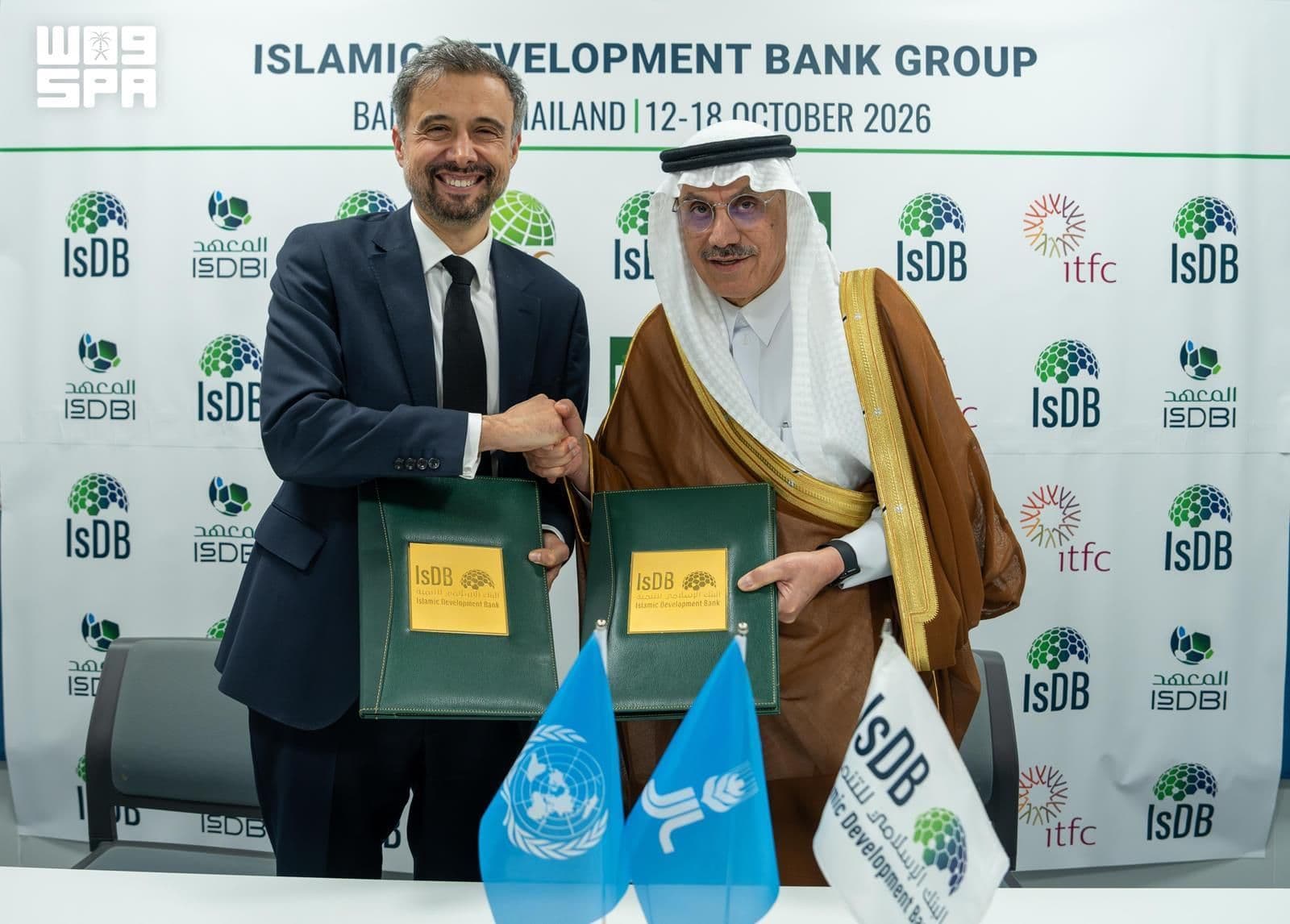
IsDB and IFAD Mobilize $750 Million to Finance African Food Systems and Rural Transformation
IsDB and IFAD Mobilize $750 Million to Finance African Food Systems and Rural Transformation
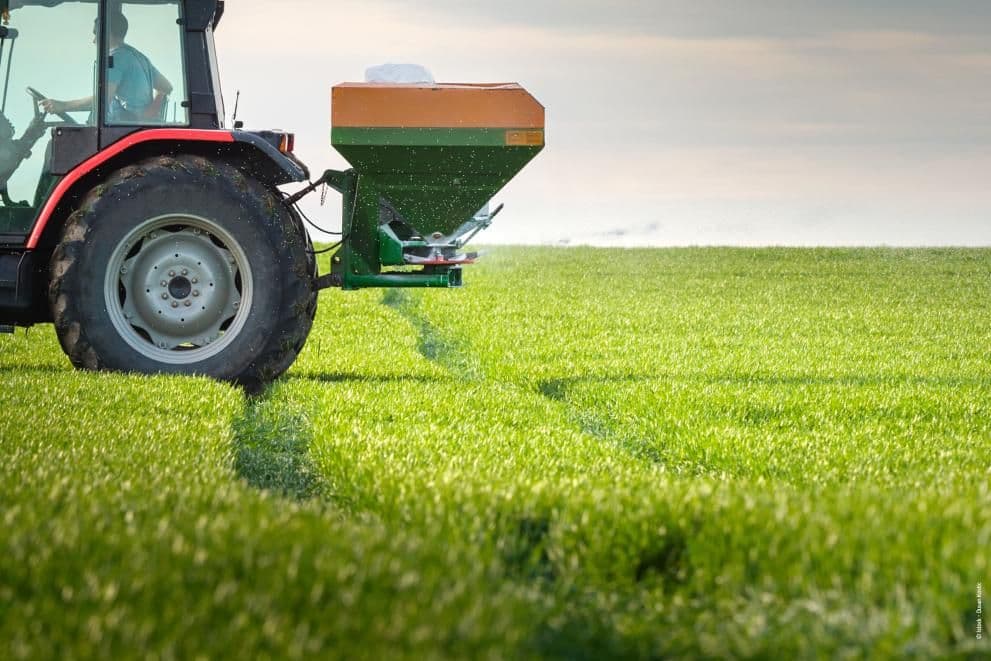
European Commission Establishes EU Fertilisers Value Chain Partnership to Enhance Market Predictability