
EU-Mexico Trade Modernization: Mexico to Abolish 95% of Tariffs on European Agri-Food Imports
Under the EU-Mexico Modernized Global Agreement, Mexico will eliminate 95% of tariffs on EU agri-food imports, benefiting dairy, pork, and poultry sectors while protecting 568 Geographical Indications.

Framework of the EU-Mexico Modernized Global Agreement
Under the terms of the EU-Mexico Modernized Global Agreement signed on May 22, 2026, Mexico has committed to eliminating 95% of its tariffs on agricultural and food imports originating from the European Union. The modernized framework replaces prior trade terms and is designed to expand market access between the two trading partners.
Full implementation of these tariff reductions remains subject to the completion of final legislative procedures within Mexico. Recent diplomatic missions and trade engagements between European and Mexican officials have focused on finalizing these administrative and regulatory steps to bring the reduced duty schedules into force.

Affected Sectors and Baseline Trade Volume
The liberalized tariff terms apply across a broad range of agricultural exports. Key agricultural sectors benefiting directly from the duty exemptions include dairy products—specifically cheeses—alongside pork, poultry, and various processed food categories.
The agreement builds upon an established agricultural commercial relationship. Annual exports of European Union food and beverages to Mexico currently total approximately €2.5 billion. The removal of duties across 95% of agri-food lines is structured to lower trade barriers for European exporters supplying Mexican distribution networks and processing industries.
Geographical Indications and Intellectual Property Protections
In addition to tariff eliminations, the trade agreement incorporates legal provisions for intellectual property protection in the agri-food sector. Specifically, the agreement establishes legal protection for 568 European Geographical Indications (GIs) within the Mexican domestic market.
This mechanism secures exclusive rights for designated European regional food and beverage products, preventing the sale or imitation of non-authentic goods under protected regional names within Mexico.

Diplomatic Missions and Commercial Engagement
To solidify the strategic commitments outlined in the treaty and prepare commercial channels for implementation, EU Agriculture Commissioner Christophe Hansen led a dedicated high-level trade mission to Mexico from November 16 to November 19, 2026.
The delegation comprised between 119 and 120 European business representatives spanning diverse agricultural and food production sub-sectors. The mission aimed to strengthen bilateral trade ties, connect European exporters with Mexican commercial entities, and lay the groundwork for expanding trade volumes as legislative ratification progresses.
Related Articles
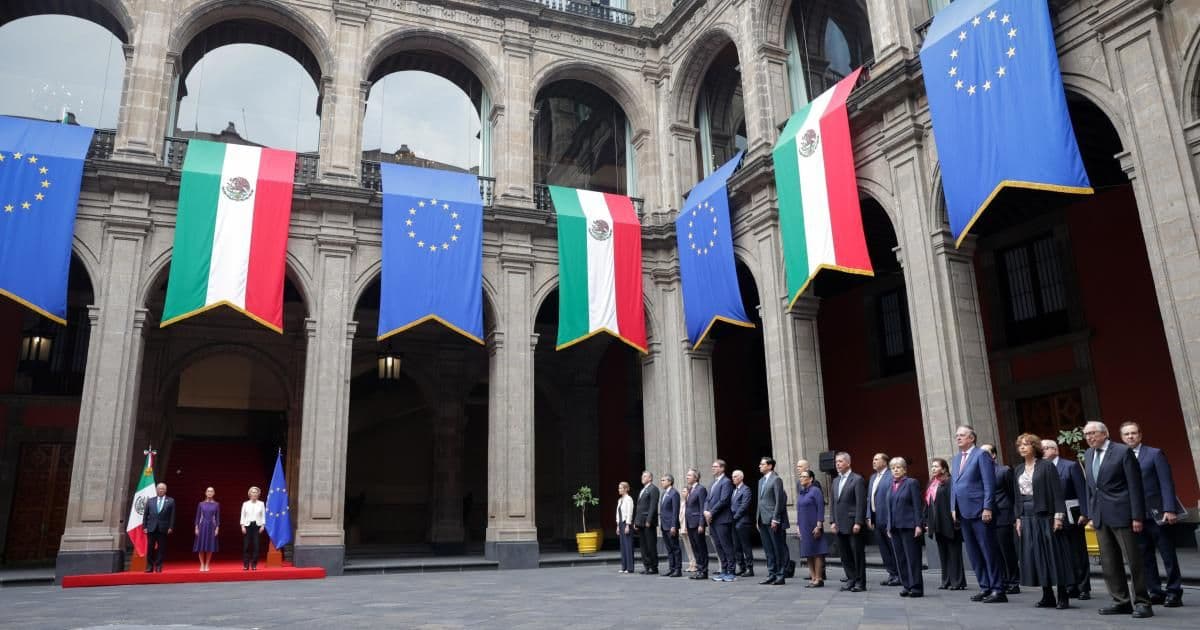
EU Trade Mission to Mexico Advances Implementation of Tariff Elimination Deal
EU Trade Mission to Mexico Advances Implementation of Tariff Elimination Deal
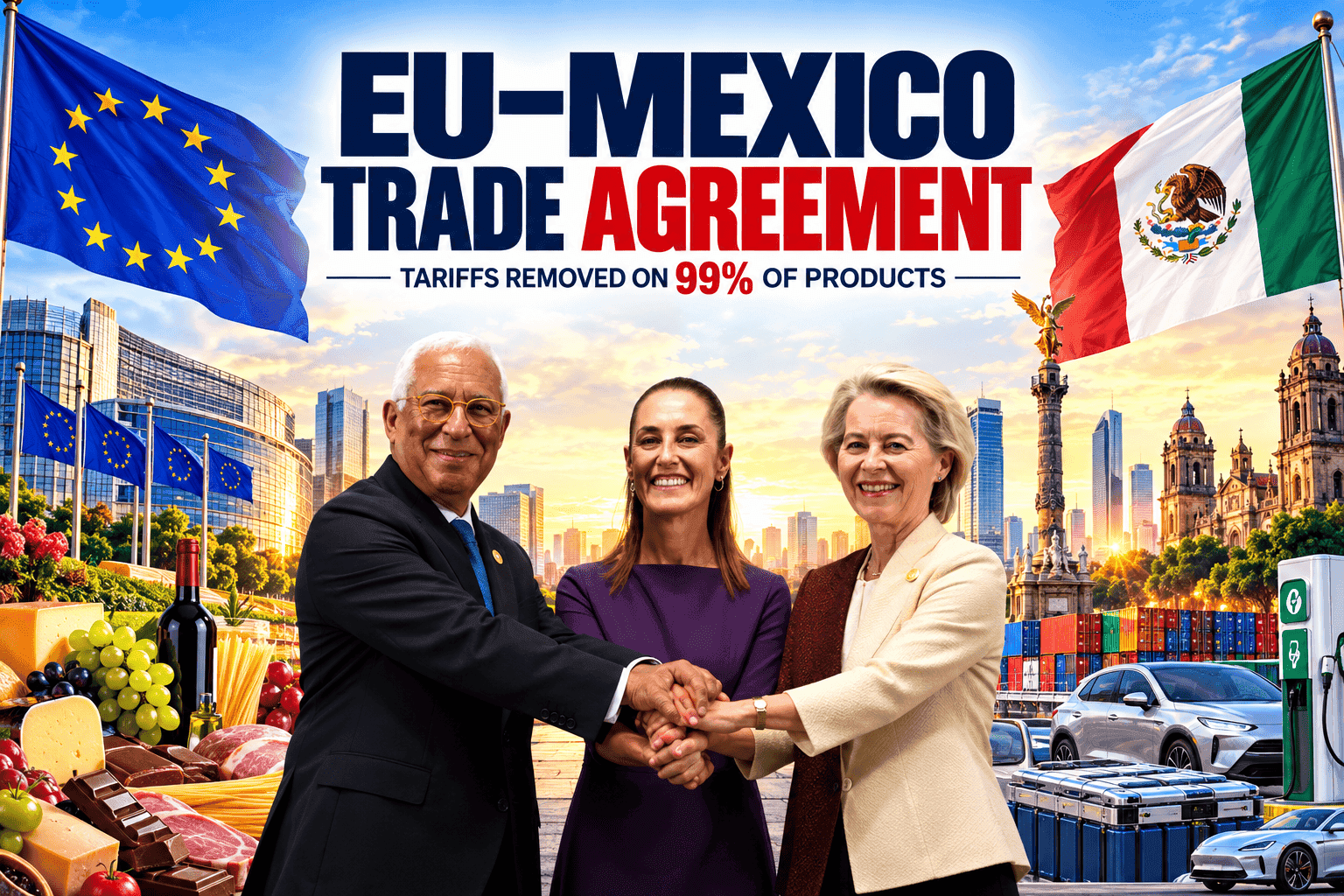
EU Agri-Food Trade Mission to Mexico Targets Market Access Under Modernised Agreement
EU Agri-Food Trade Mission to Mexico Targets Market Access Under Modernised Agreement
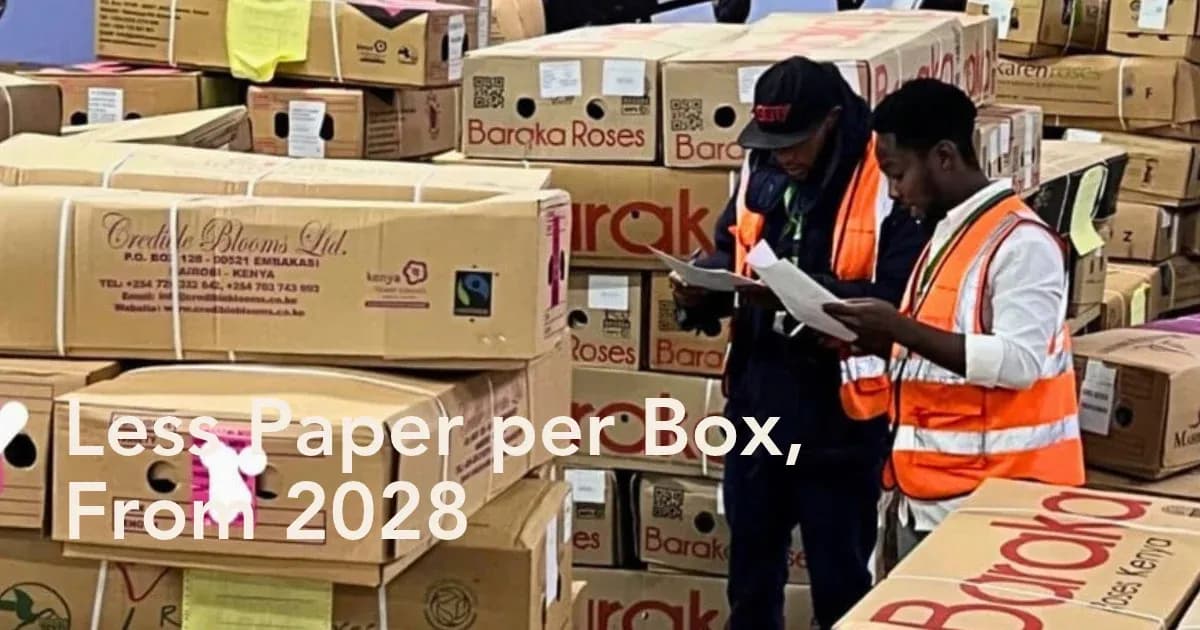
UK and EU Finalize SPS Agreement to Streamline Agri-Food Border Trade
UK and EU Finalize SPS Agreement to Streamline Agri-Food Border Trade

UK Supermarkets Back New UK-EU SPS Agreement to Ease Food Trade Friction