
European Commission Considers Post-Accession Agricultural Curbs for Ukraine
The European Commission is drafting post-accession curbs on Ukrainian agricultural subsidies and market access, directing grain exports toward North Africa amid talks on sector integration.

European Commission Develops Post-Accession Framework
The European Commission is currently formulating a policy strategy designed to place limits on Ukraine's access to European Union agricultural markets and agricultural subsidies following its eventual accession to the bloc. The emerging negotiating framework outlines specific measures to manage the entry of Ukrainian farm products into the EU's internal market structure.
Under the drafted approach, the executive arm of the European Union seeks to prevent disruption within the EU's existing domestic agricultural framework by establishing clear boundaries around Ukraine's post-accession trade terms. The measures focus directly on restricting market access and establishing distinct conditions for agricultural subsidies rather than extending full, unrestricted integration immediately upon accession.
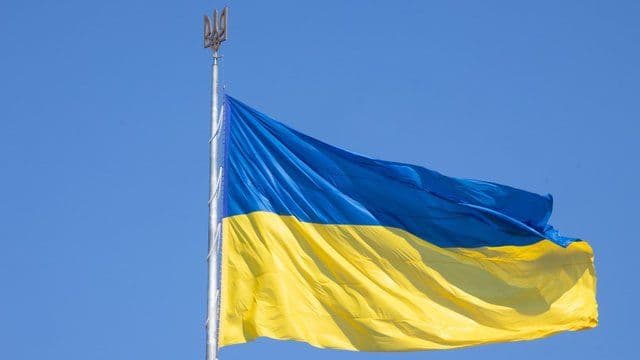
Channelling Grain Flows to North Africa and Third-Country Markets
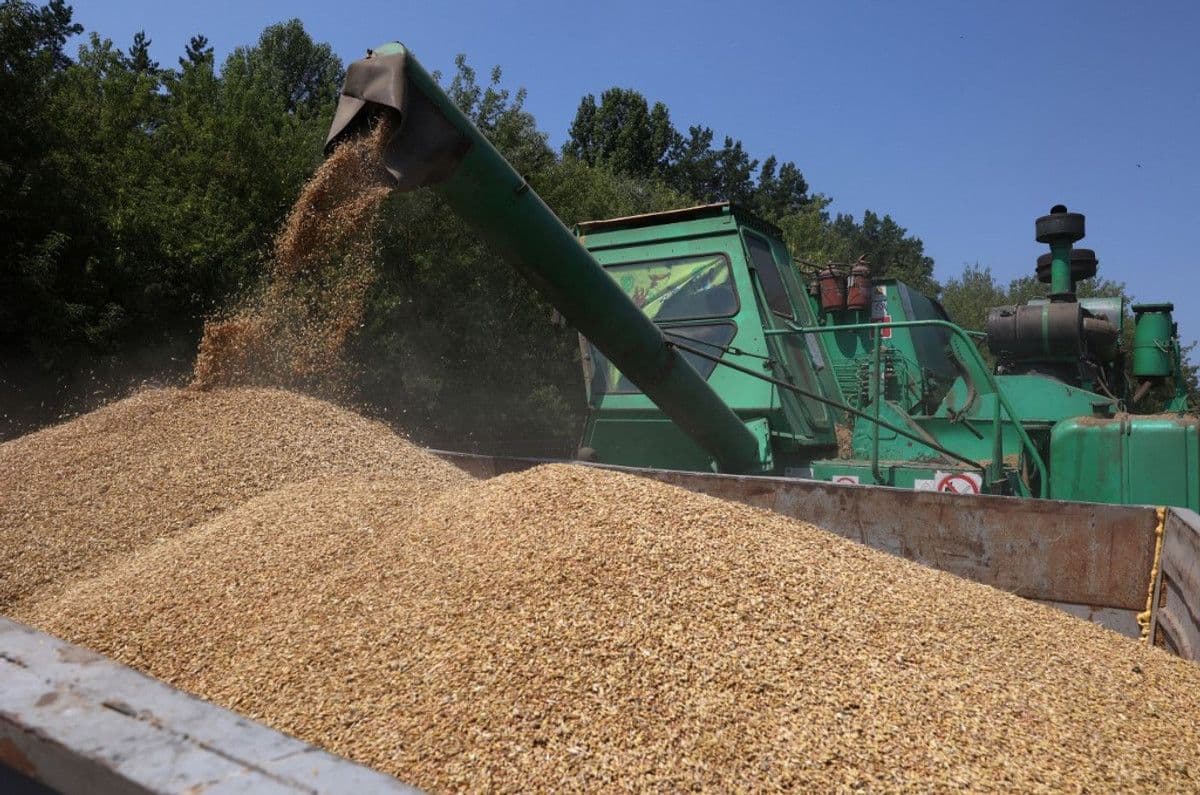
A central pillar of the European Commission's draft policy is the strategic redirection of Ukrainian agricultural output. Rather than allowing grain supplies to flow directly and unconditionally into the EU single market, the proposed policy aims to keep Ukrainian grain exports oriented toward traditional external outlets.
In particular, the framework emphasizes maintaining agricultural trade flows to established third-country destinations, with a specific focus on North African markets. By prioritizing Ukrainian export deliveries to these traditional buyers, the Commission aims to reduce supply pressures within the European Union's internal agricultural space while sustaining Ukraine's role as a key grain supplier to regions dependent on imports.
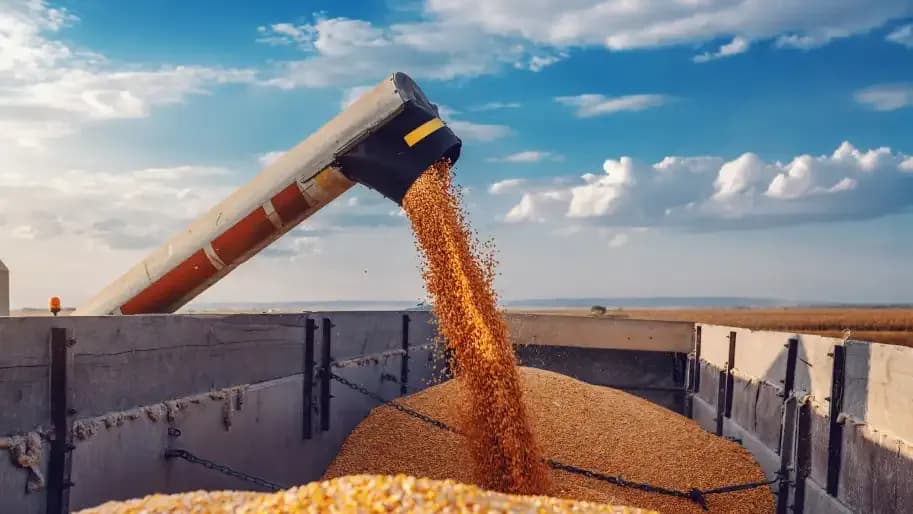
Sector Scale and Productivity as Grounds for Special Regimes
The European Commission has pointed to the specific characteristics of Ukraine's farming industry as the primary justification for crafting these special arrangements. Specifically, EU policymakers cite the scale, organizational structure, and high productivity of the Ukrainian agricultural sector.
Given the operational capacity and efficiency of Ukrainian farming enterprises, the Commission argues that standard accession terms would require modification. The structural contrast between Ukraine's expansive agricultural base and the prevailing farming models across existing member states underpins the Commission's decision to draft sector-specific market mechanisms and subsidy limitations.
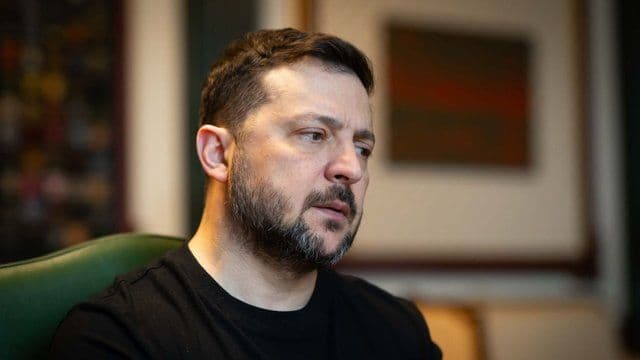
Kyiv's Negotiating Position: Temporary Measures Versus Permanent Limits
Ukrainian officials have articulated a conditional position regarding the Commission's proposals. Ukrainian Agriculture Minister Taras Vysotskyi addressed the emerging terms, indicating that Kyiv recognizes the procedural complexities of integrating into the bloc's agricultural framework.
Minister Vysotskyi stated that Ukraine is prepared to accept transitional periods concerning agricultural subsidies and trade quotas. However, he emphasized that this flexibility is strictly limited in duration. According to Vysotskyi, while temporary transitional mechanisms can be accommodated during integration, Ukraine will not accept permanent restrictions on its access to the EU single market.
Related Articles
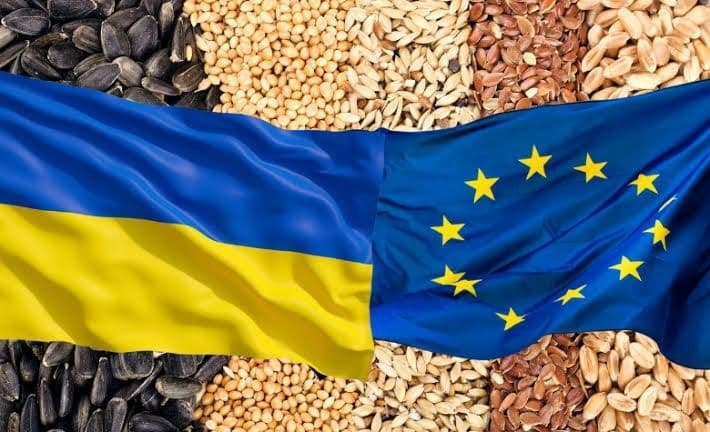
European Commission Proposes Transitional Safeguards for Ukrainian Agriculture Post-Accession
European Commission Proposes Transitional Safeguards for Ukrainian Agriculture Post-Accession
Poland and Romania Decline Expansion of Ukrainian Grain Transit Corridors
Poland and Romania Decline Expansion of Ukrainian Grain Transit Corridors
Black Sea Export Paralyzation Escalates Global Wheat Risk Premiums and FX Strain for Importers
Black Sea Export Paralyzation Escalates Global Wheat Risk Premiums and FX Strain for Importers
UK-EU SPS Negotiations: Official Regulatory Framework Points to Mid-2027 Dynamic Alignment