
FAO Food Outlook Highlights Market Divergence as Rice and Vegetable Oil Markets Tighten
The FAO November 2026 Food Outlook report reveals a divergence in global agricultural commodities, with tightening rice and vegetable oil markets contrasting with record wheat inventories.
Global Commodity Divergence and Rice Shortfalls
The Food and Agriculture Organization (FAO) released its biannual Food Outlook report on November 19, 2026, revealing a clear divergence across global food commodity markets. Although overall global commodity supplies remain generally well supplied, a significant contrast has emerged between grains and other primary staples.
While wheat and coarse grain markets demonstrate ample availability, markets for rice, sugar, and vegetable oils are experiencing tightening conditions. According to the report's balance projections, global rice production is forecast to fall short of utilization in the current period, putting upward pressure on supply balances for the staple grain.
Record Wheat Inventories vs. Contracting Cereal Trade
In sharp contrast to the tightening rice supply, global wheat supplies continue to expand. Global wheat inventories are forecast to reach a record high of 360.6 million tonnes by the close of the 2027 seasons.
Despite these elevated grain stock levels, international commodity movements face headwinds. World trade in cereals is forecast to contract by 3.3 percent in the 2026/27 marketing year. The FAO notes that this contraction in international trade volumes is primarily driven by a decline in global wheat trade.

Biofuel Demand and Regional Logistics Constrain Markets
Pressure on non-grain agricultural commodities is also evident in the vegetable oil sector. Global vegetable oil stocks are expected to decline over the projection period. The report attributes this drawdown in inventories partly to strong demand from the biofuel sector, which continues to consume significant volumes of agricultural feedstock.
In addition to supply-demand imbalances, shipping and logistics present ongoing challenges for international agricultural distribution. Logistical disruptions—particularly in the Black Sea region—continue to hamper the movement of grain across trade routes despite the presence of record global supply levels.
Related Articles
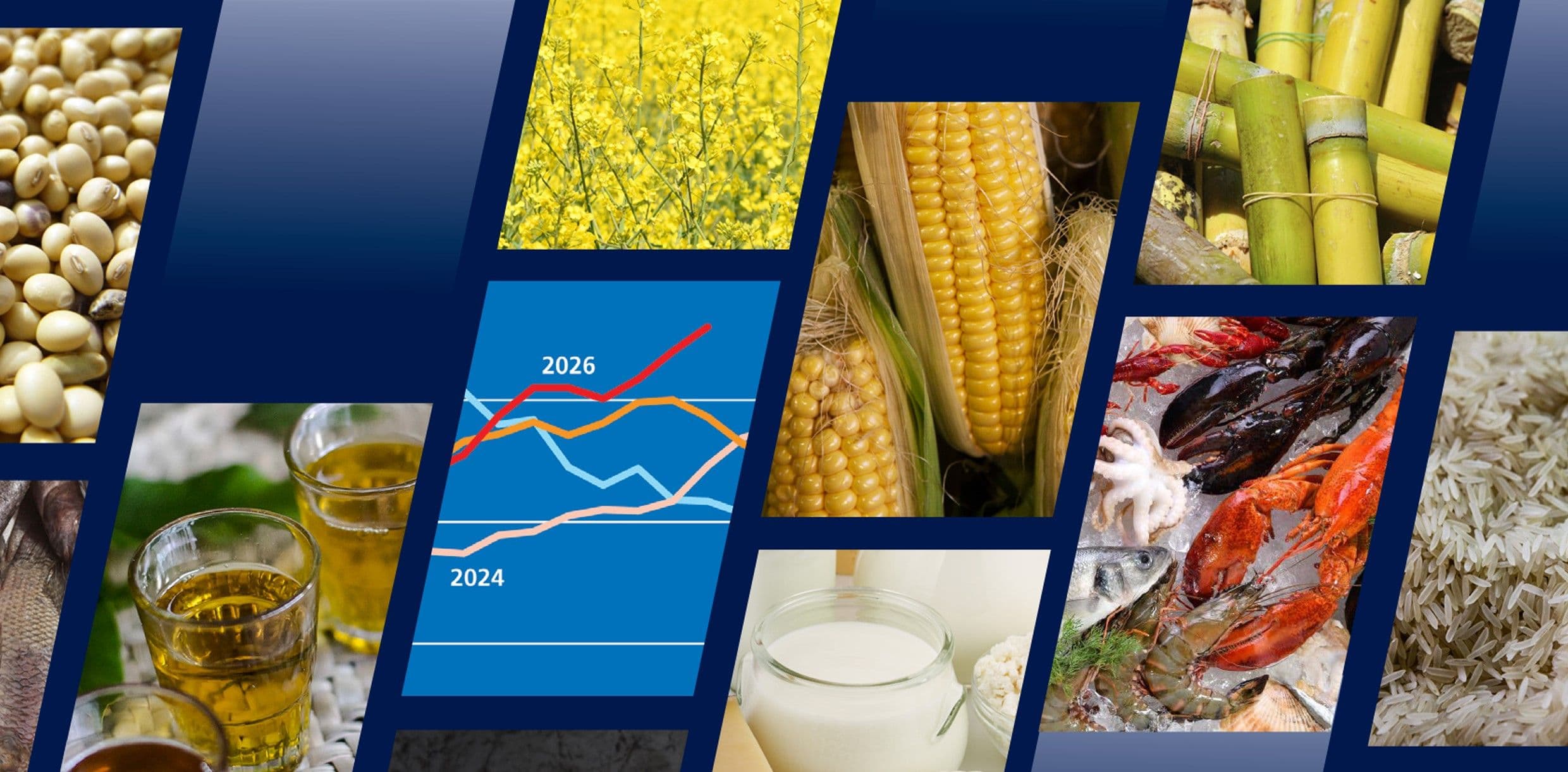
FAO Food Outlook Points to Emerging Tightness in Global Rice Market
FAO Food Outlook Points to Emerging Tightness in Global Rice Market
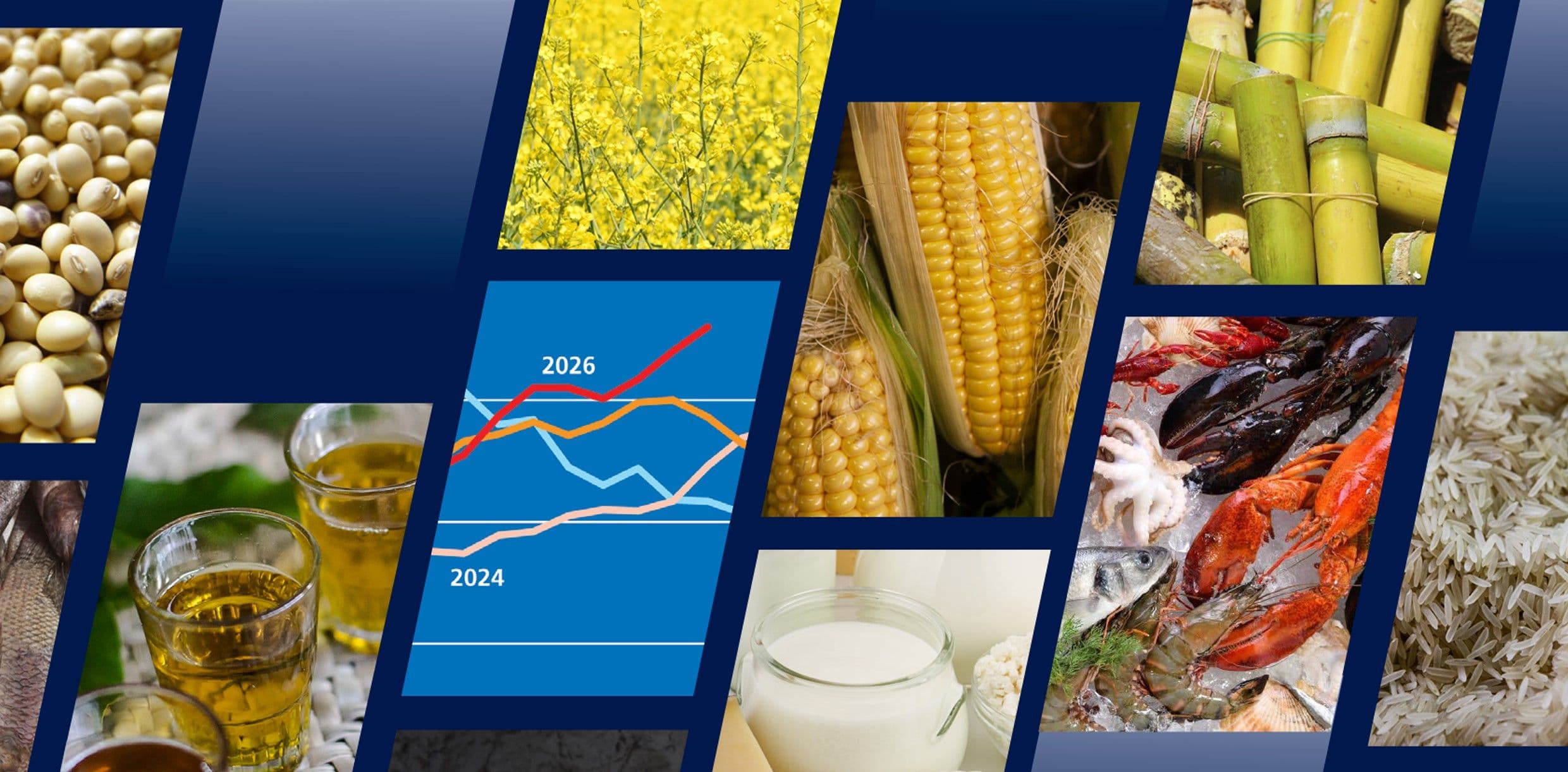
FAO Food Outlook: Tighter Balances for Rice and Vegetable Oils Amid Mounting Market Risks
FAO Food Outlook: Tighter Balances for Rice and Vegetable Oils Amid Mounting Market Risks
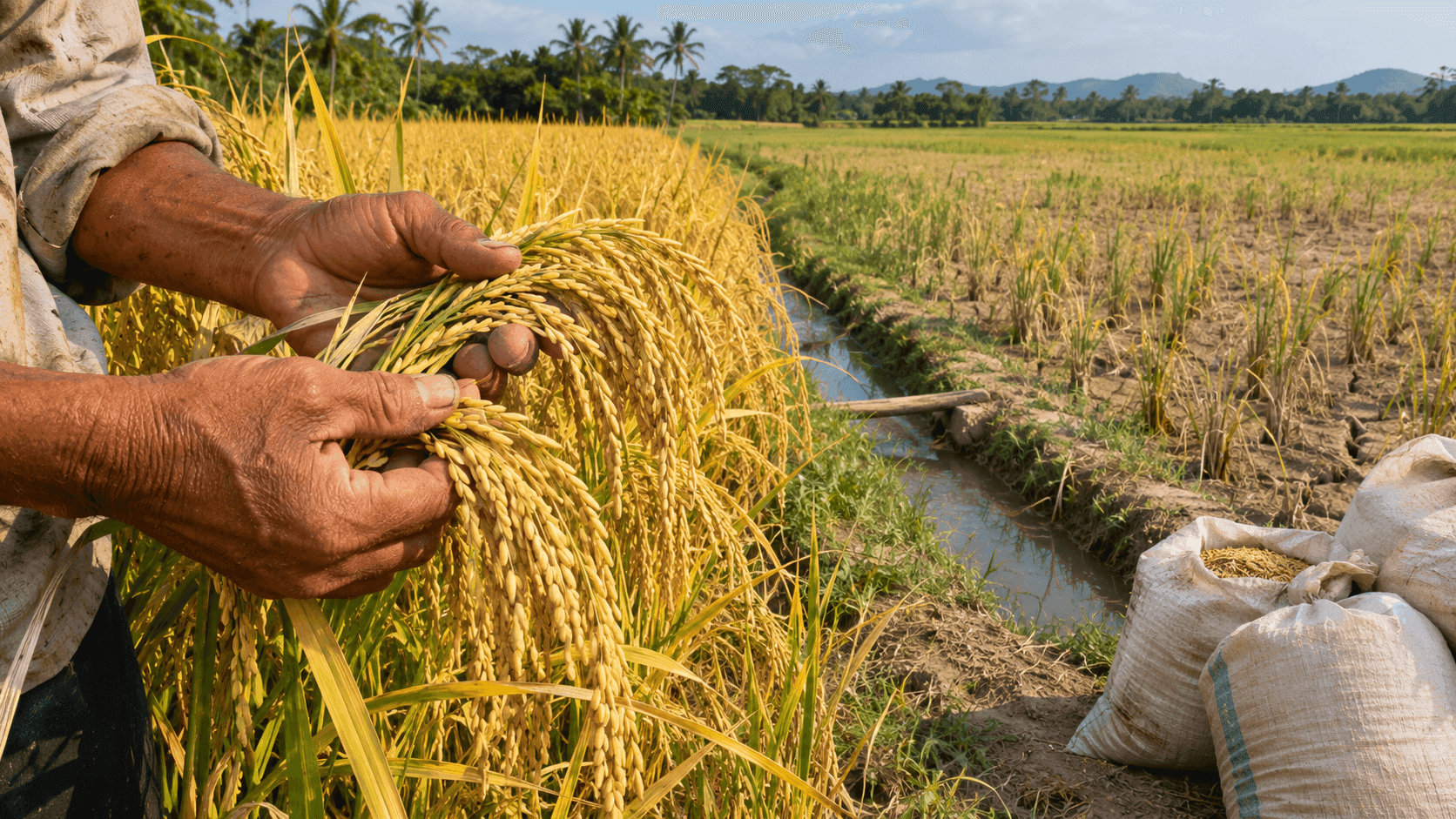
FAO Food Outlook Highlights Tightening Global Rice Balances for 2026/27
FAO Food Outlook Highlights Tightening Global Rice Balances for 2026/27
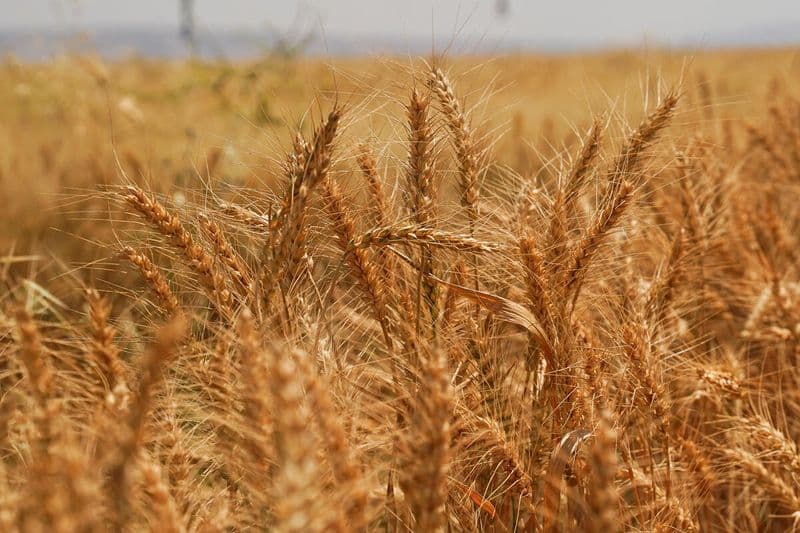
FAO Food Price Index Climbs to Nearly Four-Year High Amid Cereal and Transport Strains