
FAO Food Outlook Highlights Tightening Global Rice Balances for 2026/27
The FAO November 2026 Food Outlook projects a 2.5% drop in global rice production for 2026/27 alongside rising consumption, while international trade is expected to recover by 2.9% in 2027 supported by strong import demand.
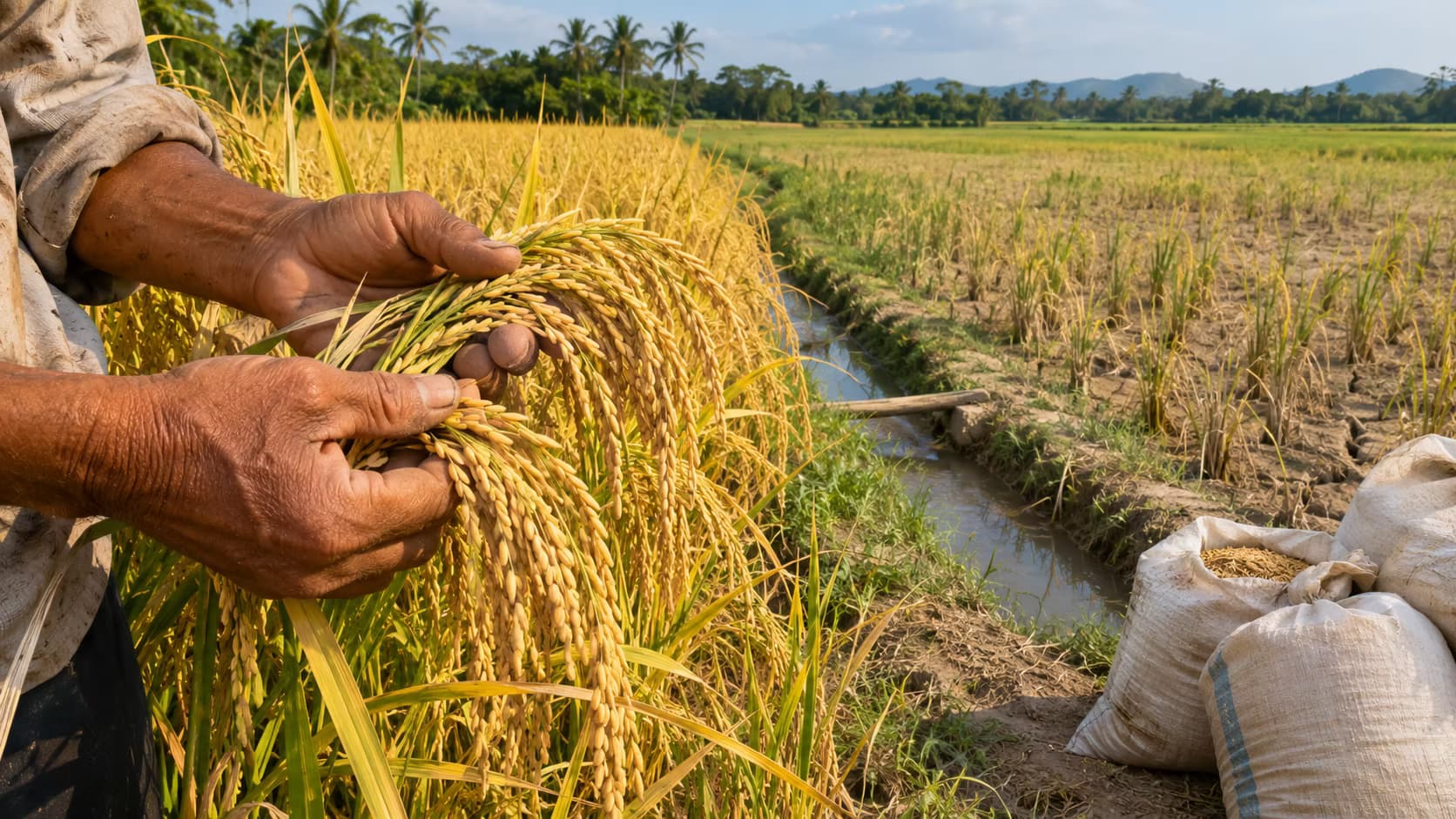
Global Production Contraction and Supply Deficit
According to the Food and Agriculture Organization (FAO) November 2026 Food Outlook, the global rice market faces a tightening balance sheet for the 2026/27 season. Global rice production is forecast to decline by 2.5% to 552.0 million tonnes. This downturn represents the first contraction in global rice output observed in four seasons.
Concurrently, world rice utilization is projected to expand by 0.6%, reaching 558.8 million tonnes in 2026/27. With consumption outpacing output, the global market is set to experience a supply-demand shortfall of approximately 6.8 million tonnes over the forecast period.
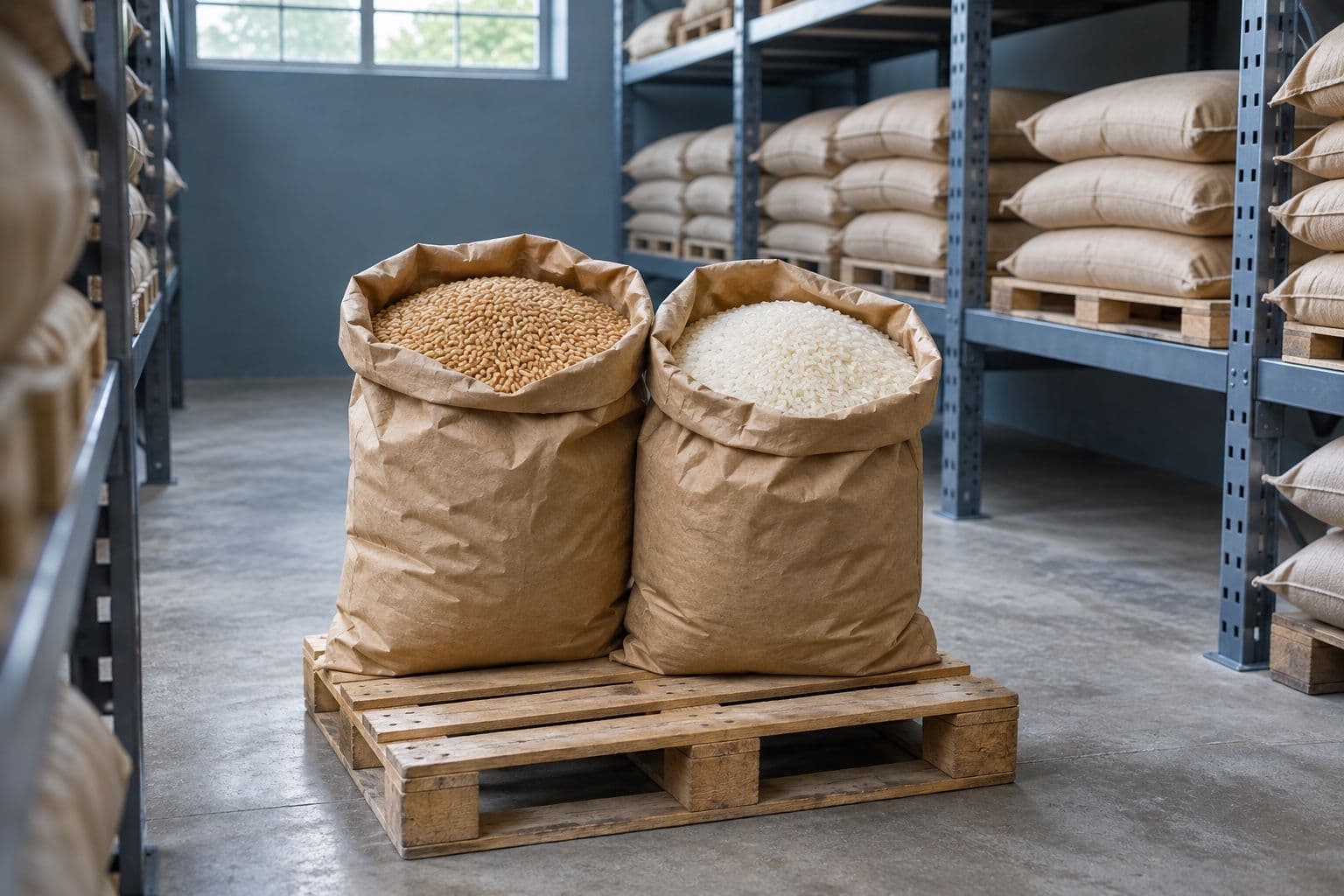
Role of Carry-Over Reserves in Market Stabilization
Despite the forecast contraction in harvest volumes, overall availability will be cushioned by significant accumulated stocks. Global rice reserves are projected to stand at approximately 216.5 million tonnes.
Driven by large carry-over stocks from preceding seasons, these global reserves are expected to remain at their second-highest level on record, offering a buffer against the immediate production shortfall.
Rebound in International Rice Trade
On the international trade front, cross-border shipments of rice are anticipated to expand following previous constraints. Global rice trade is forecast to recover by 2.9% in 2027, reaching a total volume of 61.6 million tonnes.
This growth in international trade volumes is expected to be supported by stronger import demand across most geographic regions.
Related Articles
FAO Reports Tightening Global Rice Market Balances in November 2026 Outlook
FAO Reports Tightening Global Rice Market Balances in November 2026 Outlook
FAO Food Outlook Points to Emerging Tightness in Global Rice Market
FAO Food Outlook Points to Emerging Tightness in Global Rice Market
FAO Food Outlook: Tighter Balances for Rice and Vegetable Oils Amid Mounting Market Risks
FAO Food Outlook: Tighter Balances for Rice and Vegetable Oils Amid Mounting Market Risks
Global Rice Prices Consolidate at Elevated Floor Following October Rally