
FAO Reports Tightening Global Rice Market Balances in November 2026 Outlook
FAO forecasts a 2.5% drop in global rice production for 2026/27 amid El Niño impacts, while robust carry-in stocks and trade recovery led by India and Pakistan steady markets.
Global Rice Production Contracts for the First Time in Four Seasons
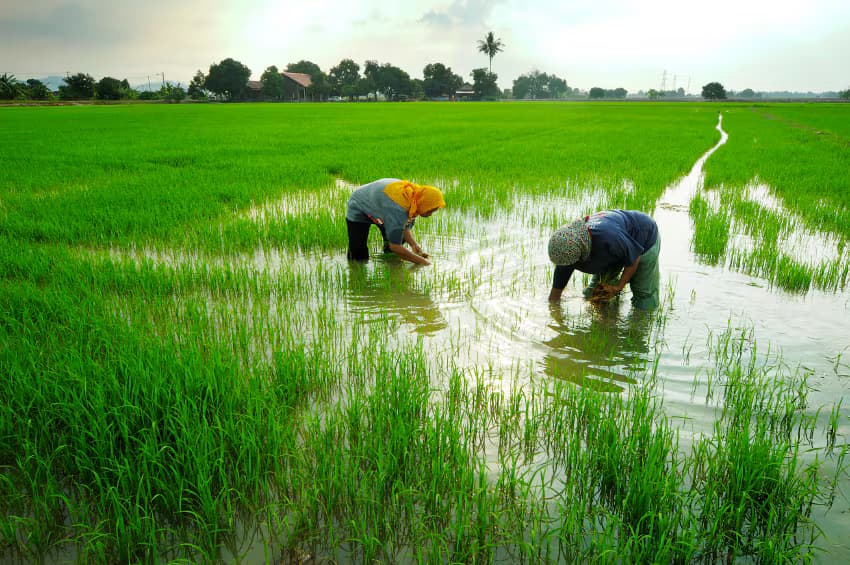
According to the Food and Agriculture Organization's (FAO) November 2026 Food Outlook, global rice balances are tightening as output is forecast to decrease by 2.5 percent to 552.0 million tonnes for the 2026/27 season. This decline marks the first global production contraction recorded in four seasons.
The downturn in production reflects a combination of structural and climate-related challenges facing agricultural producers. The FAO identifies poor producer profit margins alongside adverse weather linked to the El Niño phenomenon as the primary drivers behind the reduced output, depressing yield expectations and curtailing overall harvest volumes across impacted cultivating areas.
Substantial Carry-In Reserves Cushion Global Balance Sheets
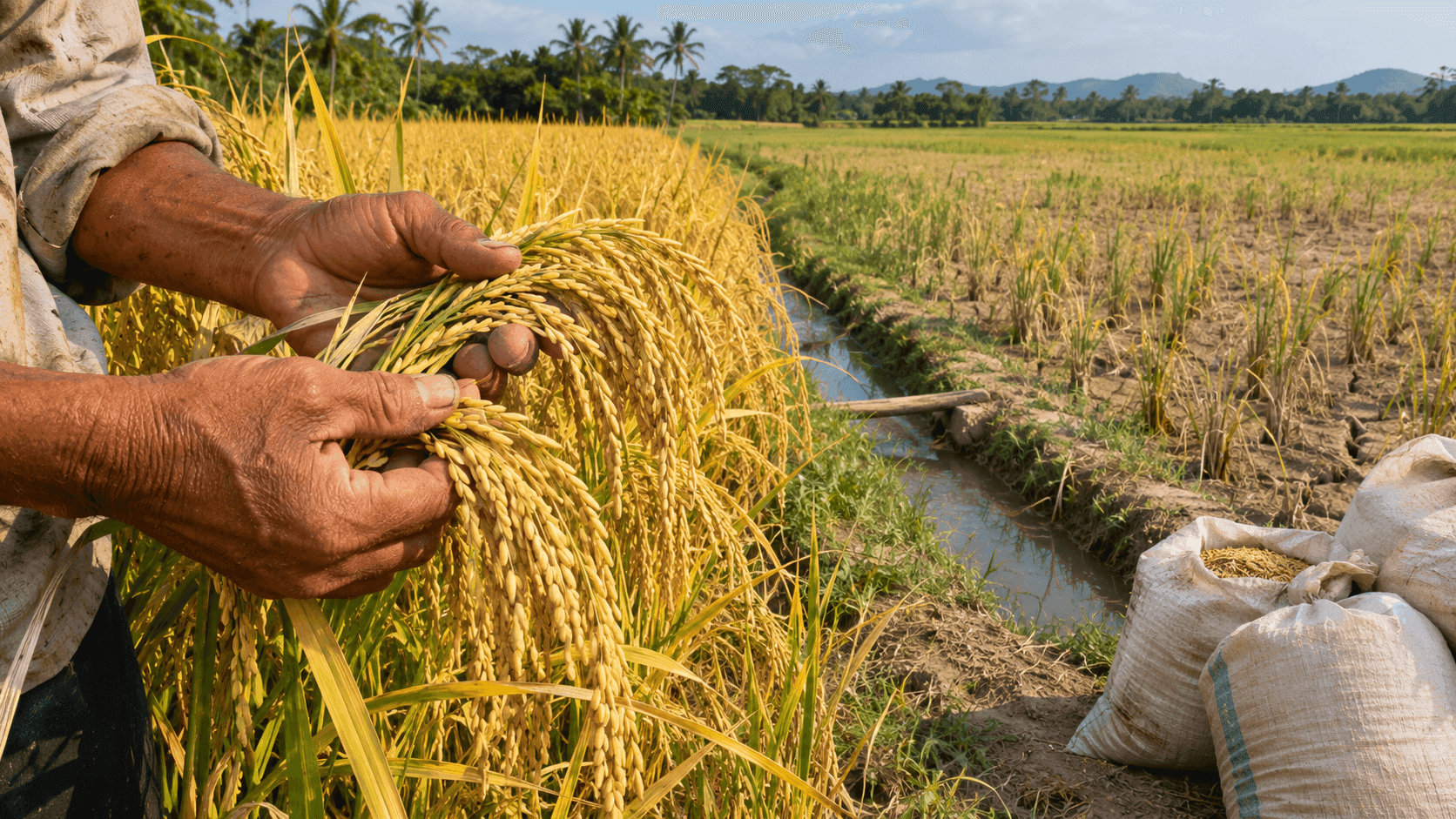
Despite the anticipated contraction in output and the resulting tighter supply balances, global rice availability remains supported by previous harvest accumulations. Substantial carry-in stocks carried over from the prior season continue to act as a significant buffer against market tightness.
As a consequence of these sizable carry-in inventories, aggregate world rice reserves are projected to remain at their second-highest level on record. These elevated stockpiles offer crucial stability for global supply chains, helping to offset the direct effects of the 2026/27 production shortfall.
Cross-Border Trade Projected to Rebound in 2027
In addition to domestic supply adjustments, international trade flows are slated to see a rebound. The FAO outlook projects cross-border rice trade to expand to 61.6 million tonnes over the course of 2027.
This recovery in trade volumes is expected to be supported primarily by increased export activity from major suppliers, specifically India and Pakistan. Rising shipments from these key origins are forecast to drive the anticipated rebound in trade, facilitating distribution to import-dependent destinations amid shifting domestic supply fundamentals.
Related Articles
FAO Food Outlook Highlights Tightening Global Rice Balances for 2026/27
FAO Food Outlook Highlights Tightening Global Rice Balances for 2026/27
FAO Food Outlook Points to Emerging Tightness in Global Rice Market
FAO Food Outlook Points to Emerging Tightness in Global Rice Market
FAO Food Outlook: Tighter Balances for Rice and Vegetable Oils Amid Mounting Market Risks
FAO Food Outlook: Tighter Balances for Rice and Vegetable Oils Amid Mounting Market Risks
Global Rice Trade Faces Heightened Volatility as El Niño Strains Asian Production