
FAO Food Outlook Points to Emerging Tightness in Global Rice Market
The FAO November 2026 Food Outlook reports emerging tightness in global rice, sugar, and vegetable oil markets amid falling rice production, contrasting with ample wheat and coarse grain supplies.
Divergent Trends Across Global Agricultural Commodities
The Food and Agriculture Organization (FAO) released its November 2026 Food Outlook, presenting a detailed evaluation of global commodity supplies and revealing pronounced divergence among primary agricultural sectors. At a macro level, aggregate agricultural commodity availability remains generally comfortable, underpinned by stable supply fundamentals in staple grains like wheat and coarse grains.
However, this overarching stability contrasts sharply with developments in several key sectors. Tighter market balances are actively emerging across markets for rice, sugar, and vegetable oils. While the broader grain category benefits from solid supply cushions, these specific commodities face constrained availability, marking a clear divide within the international agricultural marketplace.
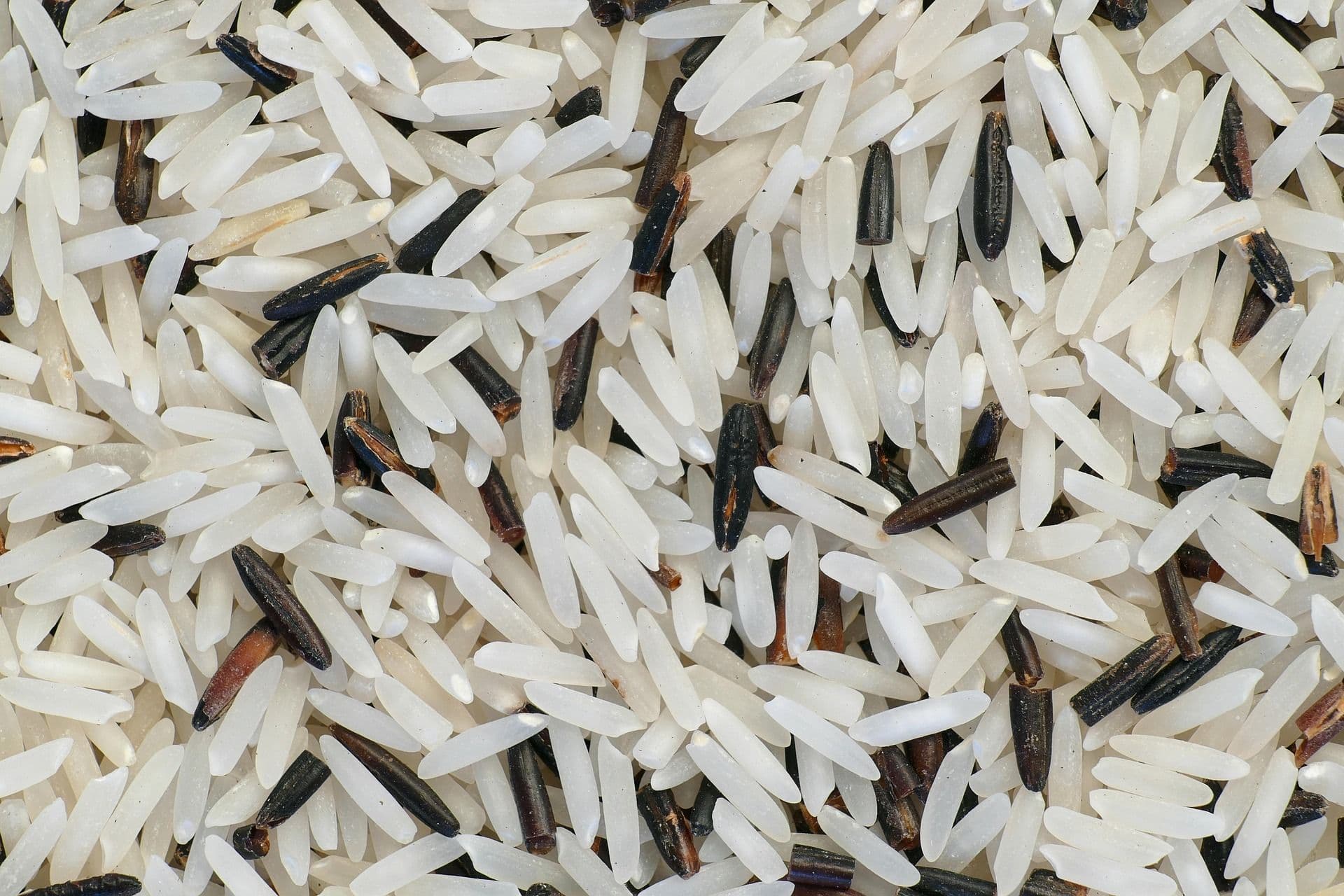
Rice Production Deficit Ends Multi-Season Expansion
A central focus of the FAO assessment is the shifting supply-and-demand dynamic within the global rice sector. Global rice output is forecast to decline, marking the first production contraction recorded in four seasons.
Crucially, this anticipated downturn means that global rice harvest volumes are expected to fall short of total utilization. With aggregate consumption projected to outpace harvest output, the multi-season period of production expansion has ended, resulting in a deficit that underpins the tightening market balances observed across international rice distribution channels.
Economic and Weather Factors Behind Rice Contraction
The transition toward tighter rice availability has been driven by a combination of operational economic pressures and adverse climatological conditions. According to the FAO findings, lower producer margins have exerted significant downward pressure on the market, affecting grower incentives and production decisions.
In addition to compressed margins, agricultural output was hindered by adverse weather events associated with El Niño. The interplay of lower profitability for producers and disruptive El Niño weather patterns has constrained yields and aggregate output, directly precipitating the season's production decline.
Cereal Inventories Rise on Regional Wheat Growth
In contrast to the deficit conditions emerging in the rice sector, overall cereal stocks present a different trajectory. Global cereal inventories are projected to increase by 1.8 percent by the conclusion of the 2027 season.
This net growth in global cereal reserves is largely attributable to significant inventory accumulations in the wheat sector, specifically concentrated within the Russian Federation and Ukraine. Consequently, while aggregate global cereal reserves are positioned for expansion, this growth remains isolated to specific geographies and grain varieties, providing little offsetting relief to the tighter balances in rice, sugar, and vegetable oils.
Related Articles
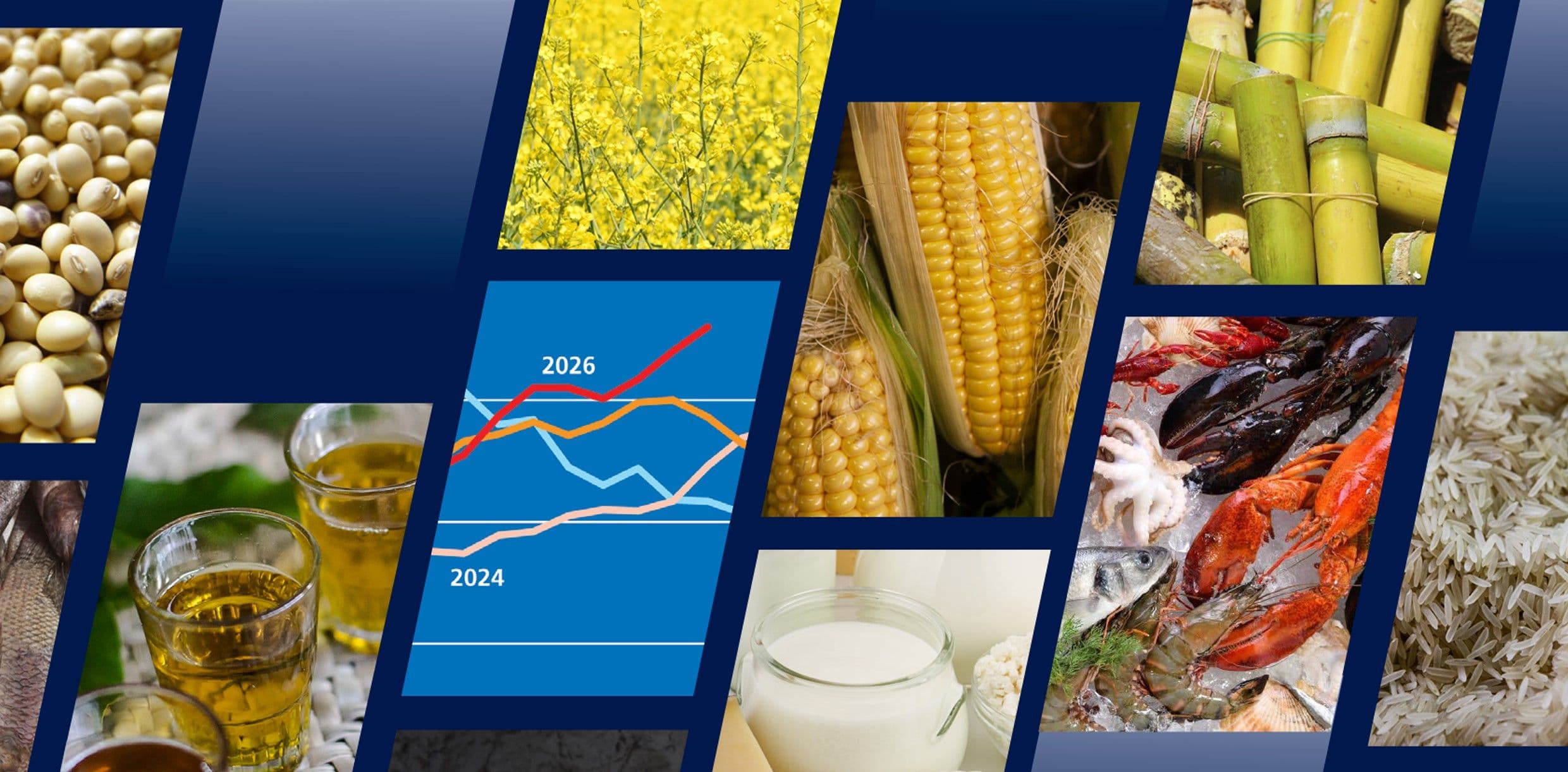
FAO Food Outlook: Tighter Balances for Rice and Vegetable Oils Amid Mounting Market Risks
FAO Food Outlook: Tighter Balances for Rice and Vegetable Oils Amid Mounting Market Risks
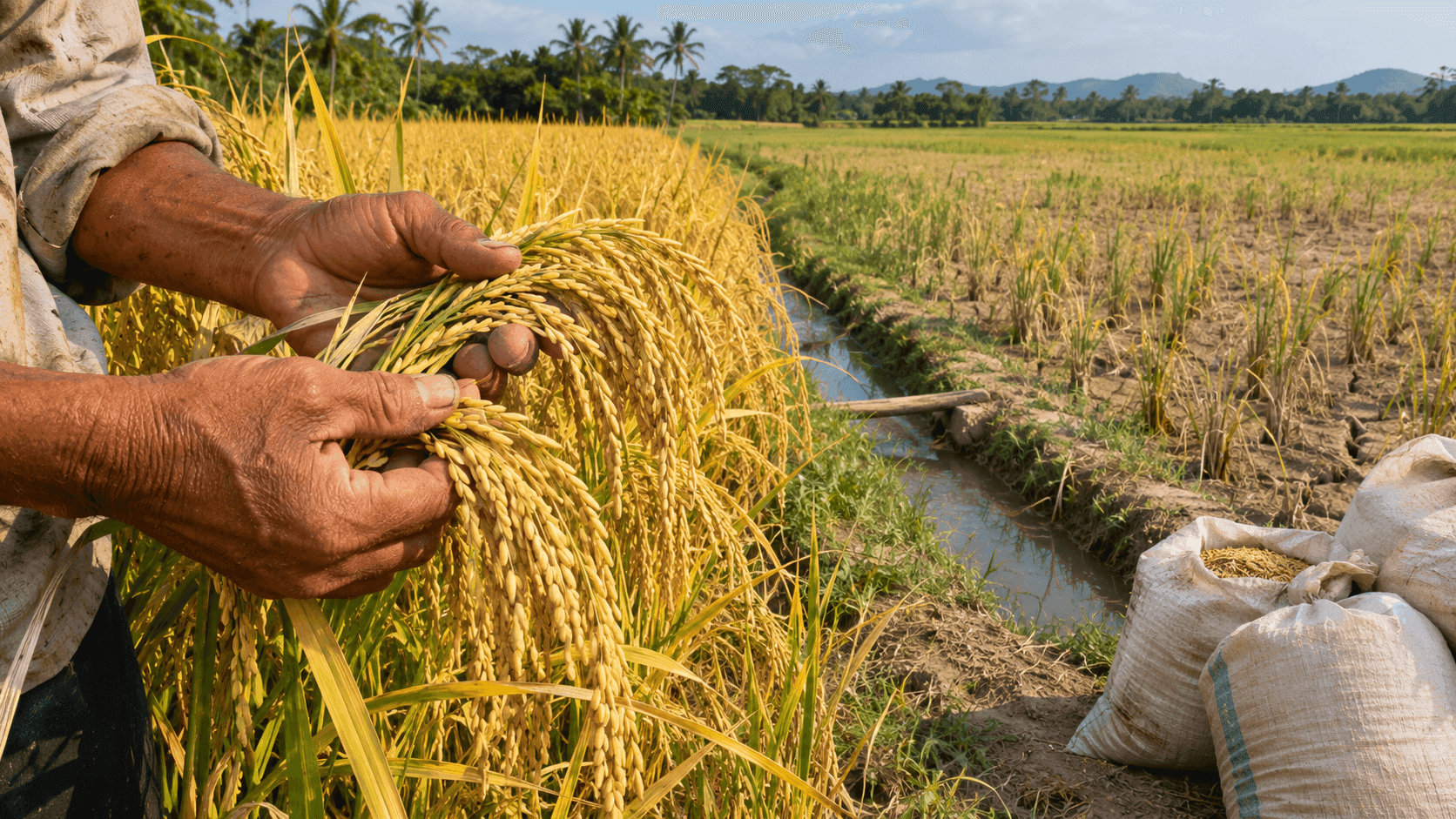
FAO Food Outlook Highlights Tightening Global Rice Balances for 2026/27
FAO Food Outlook Highlights Tightening Global Rice Balances for 2026/27
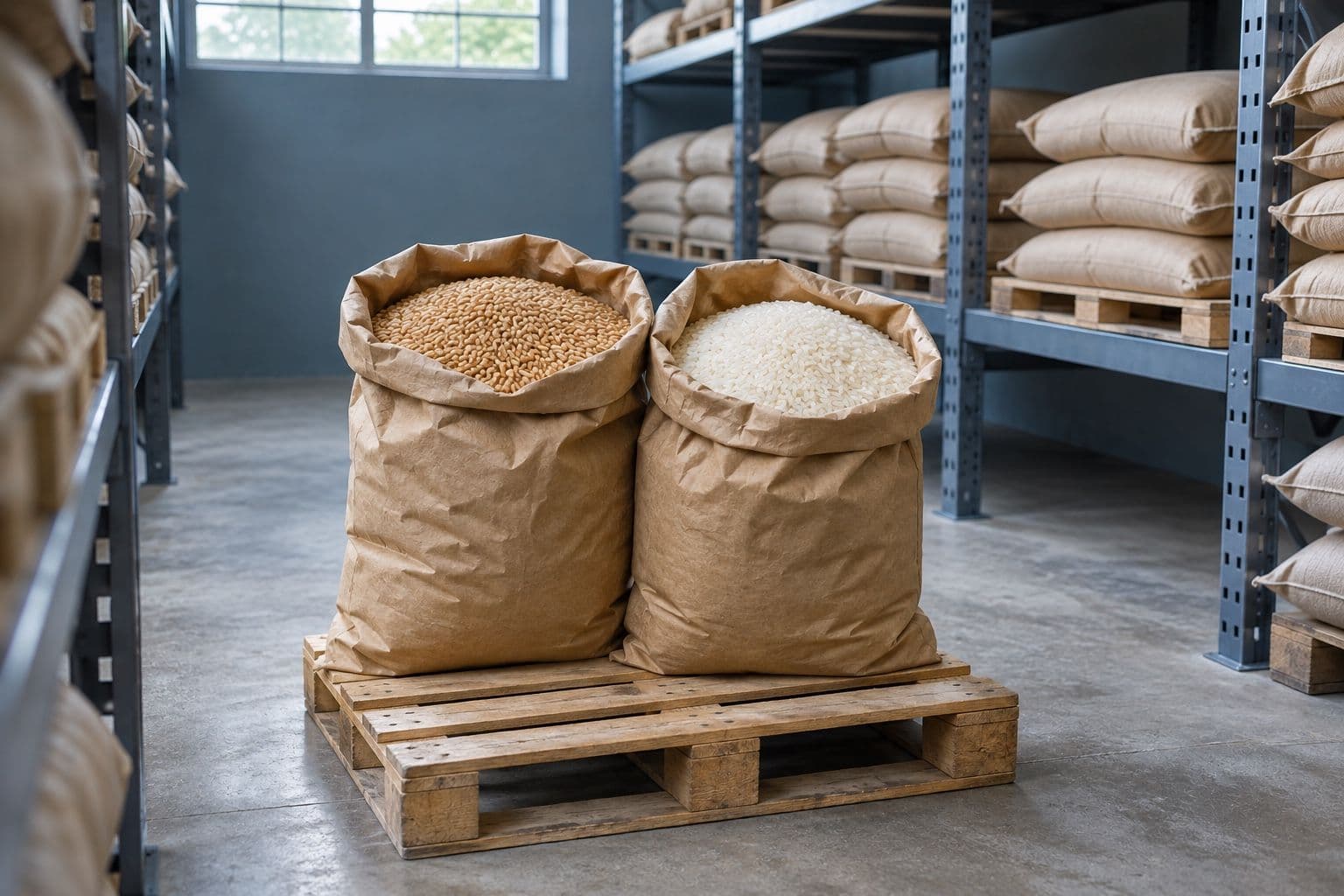
FAO Reports Tightening Global Rice Market Balances in November 2026 Outlook
FAO Reports Tightening Global Rice Market Balances in November 2026 Outlook
FAO Food Price Index Climbs to Nearly Four-Year High Amid Cereal and Transport Strains