
FAO Food Price Index Climbs to Highest Level Since November 2022
The FAO Food Price Index rose to 136.0 points in September 2026, reaching its highest level since November 2022 amid weather concerns and shipping bottlenecks.
Food Price Index Reaches Highest Mark Since Late 2022
The Food and Agriculture Organization (FAO) Food Price Index averaged 136.0 points in September 2026, registering its highest level since November 2022.
The benchmark index stands 5.8 percent above its level from September 2025. The upward movement reflects mounting cost pressures across agricultural supply chains, driven by severe weather conditions affecting crop production alongside compounding disruptions across vital trade corridors.

Logistical Bottlenecks and Transport Cost Pressures
A significant factor behind the index's climb is the escalation of shipping and logistical constraints. According to FAO Chief Economist Maximo Torero, the price increases are closely tied to compounding logistical frictions in both the Black Sea and the Strait of Hormuz.
These strategic transit points are experiencing constraints that are actively pressuring energy and transport expenses. Torero emphasized that these elevated logistics and fuel costs directly filter into higher food commodity prices across international markets, amplifying overall inflation across the food system.
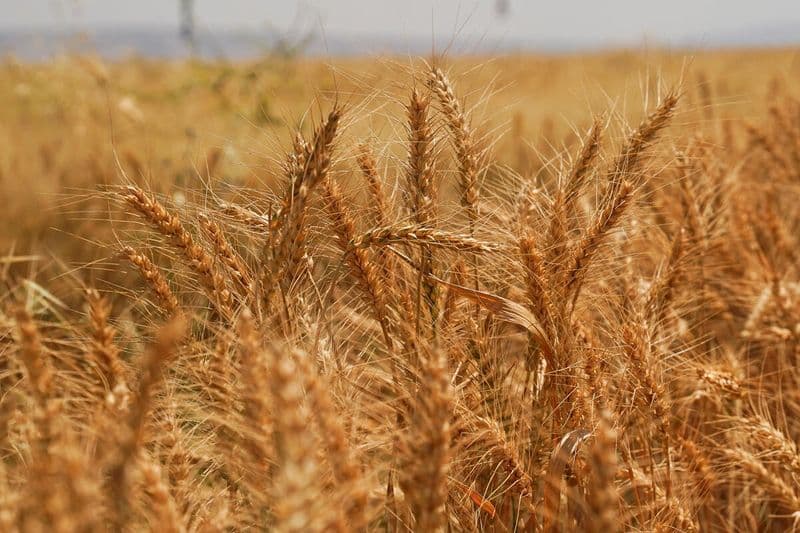
Cereal Price Index Rises as Wheat Markets Tighten
Grains and staple crops registered notable gains within the broader index. The FAO Cereal Price Index increased by 5.1 percent in September.
Driving the surge in the cereal category was an uptick in world wheat prices, which climbed 6.3 percent month-on-month. The increase in wheat markets was spurred by a combination of ongoing logistical hurdles in the Black Sea and dry weather conditions in North America that have affected production prospects.
Related Articles
Global Food Commodity Prices Reach Highest Level Since 2022 Amid Freight and Weather Pressures
Global Food Commodity Prices Reach Highest Level Since 2022 Amid Freight and Weather Pressures
FAO Food Price Index Climbs to Nearly Four-Year High Amid Cereal and Transport Strains
FAO Food Price Index Climbs to Nearly Four-Year High Amid Cereal and Transport Strains
Black Sea Export Paralyzation Escalates Global Wheat Risk Premiums and FX Strain for Importers
Black Sea Export Paralyzation Escalates Global Wheat Risk Premiums and FX Strain for Importers

Euronext Wheat Climbs to Three-Week High Driven by Saudi Tender and Black Sea Security Concerns