
Indian Black Pepper Prices Reach Historic Highs in Kochi Amid Tight Physical Supply
Indian black pepper prices touched record highs of ₹753–₹773 per kg in Kochi in November 2026, driven by tight farmer stocks, weather-reduced yields, and domestic grinding demand.
Record Price Levels Recorded at Kochi Terminal Market
Spot prices for Indian black pepper surged to unprecedented levels by mid-November 2026, establishing fresh all-time highs in primary spot trading hubs. In the Kochi terminal market, transactions for black pepper traded within a record band of ₹753 to ₹773 per kilogram.
Official assessments confirmed this upward momentum across differentiated product grades. According to benchmark figures released by Spices Board India, average prices for garbled black pepper reached ₹770 per kilogram as of November 13, 2026. Concurrently, ungarbled pepper was quoted at an average of ₹750 per kilogram on the same date. The sharp upward movement reflects an intensifying supply-demand imbalance in the domestic spice market, characterized by limited ready arrivals and competitive bidding across trading floors.
Exhausted Farm Inventories and Tight Stockholding
The underlying catalyst for the current price rally is an acute supply contraction at the primary farm-gate level. A substantial majority of pepper growers have already disposed of their harvested crop earlier in the marketing cycle. Consequently, marketable volumes entering wholesale channels have thinned significantly.
The limited remaining parcels of black pepper are being closely held by farmers and local aggregators. Expecting sustained upward momentum and further price gains in physical trade, primary holders have curtailed daily market deliveries, effectively limiting physical liquidity. This behavior has created procurement hurdles for intermediaries and spot traders, who face mounting difficulties in sourcing sufficient aggregate tonnage to satisfy outstanding commitments.
Intensified Procurement by Domestic Processors
On the demand side, purchasing activity has expanded substantially due to urgent operational requirements from downstream industrial buyers. North Indian grinding units and industrial spice manufacturers have stepped up spot procurement significantly in an effort to secure required pipeline stocks ahead of the peak winter consumption period.
The convergence of strong seasonal processor demand and shrinking physical availability has escalated competitive bidding at wholesale terminals. Grinders and value-added spice manufacturers have had to absorb elevated price levels to cover manufacturing schedules, further consolidating the price baseline in terminal centers like Kochi.
Production Deficits and Climate Stress in Southern Growing Belts
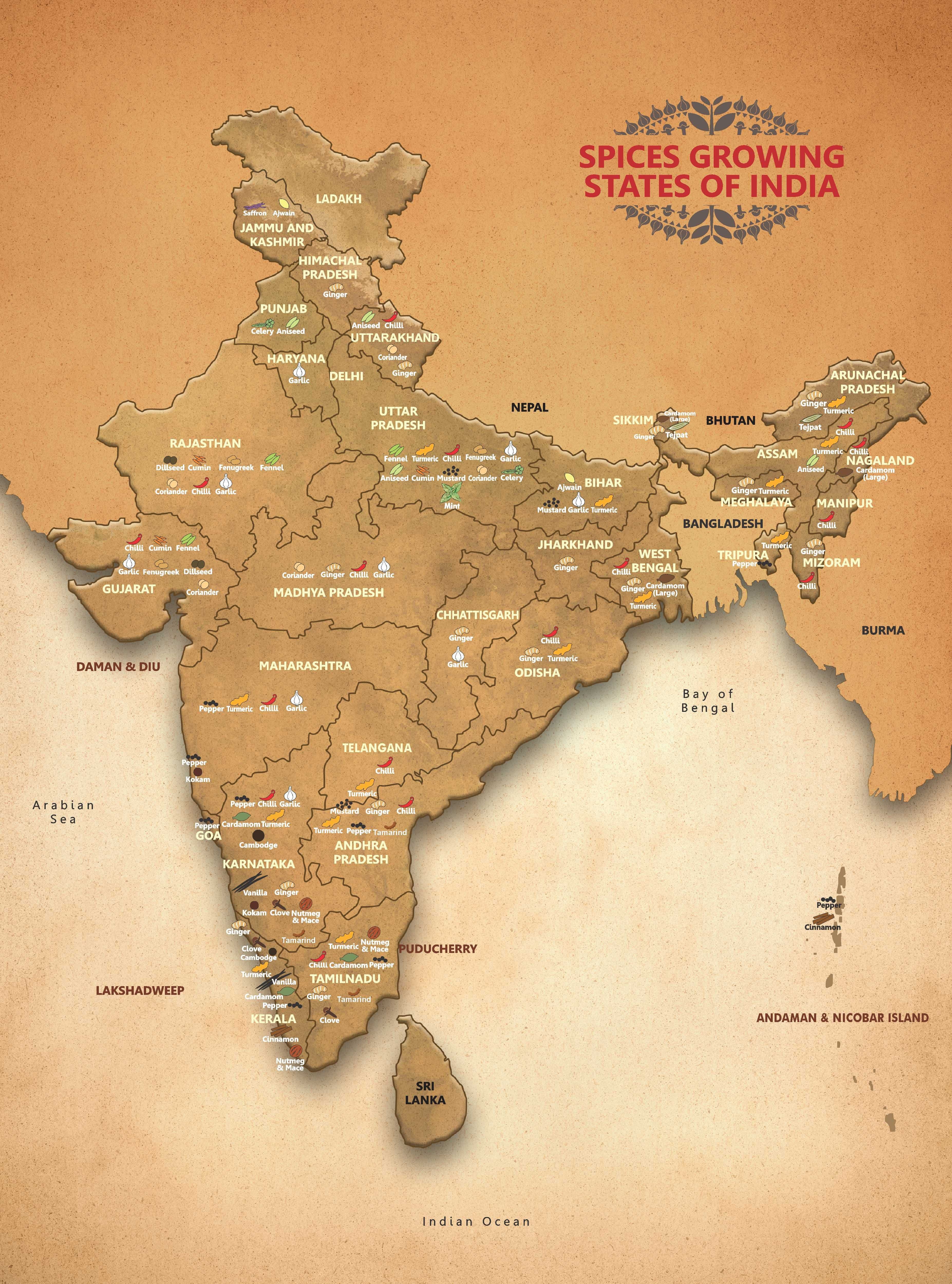
The supply shortfall in the market is rooted in multi-season production declines across southern India's primary pepper-producing regions. Consecutive production seasons in Kerala and Karnataka have been severely impacted by adverse climate events and erratic weather patterns.
Irregular monsoon cycles and recurrent drought conditions have disrupted flowering and berry development in key cultivation belts. These successive years of weather-induced stress have constrained domestic harvest outputs, diminishing carryover inventories and leaving supply chains vulnerable to the current market squeeze as demand peaks.
Related Articles
Pepper's Paradox: Decoding the Disparity in Global Spice Trade
Pepper's Paradox: Decoding the Disparity in Global Spice Trade
The Unfolding Pepper Saga: Unpacking Vietnam's Climb to Record Highs
The Unfolding Pepper Saga: Unpacking Vietnam's Climb to Record Highs
Harvesting Resilience: Vietnam's Pepper Market Charts an Independent Course
Harvesting Resilience: Vietnam's Pepper Market Charts an Independent Course
The Pepper Anomaly: Decoding Vietnam's Unshaken Market in a Shifting Global Landscape