
U.S. Pepper Imports from Vietnam Rise 22.1% as Competitor Volumes Drop
U.S. pepper imports from Vietnam reached 44,100 tons valued at US$331 million in the first seven months of 2026, securing an 80.4% market share amid declines from India and Indonesia.
Expansion in U.S. Import Volumes and Trade Value
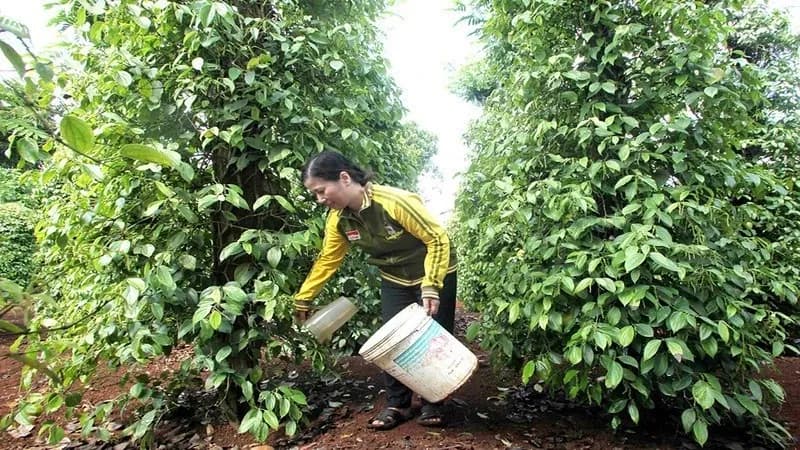
Official trade data compiled by the U.S. International Trade Commission reveals a significant expansion in U.S. pepper procurement from Vietnam during the first seven months of 2026. Import volumes from Vietnam increased by 22.1% year-on-year, reaching 44,100 tons for the period.
In financial terms, the trade flows showed a corresponding upward trajectory. The total value of Vietnamese pepper shipments to the United States grew by 21% year-on-year, totaling US$331 million over the seven-month span. This double-digit growth in both tonnage and value underscores the sustained demand for Vietnamese supplies among U.S. agricultural commodity buyers.
Market Share Consolidation in the U.S. Market
The volume increase has substantially altered origin distributions within the U.S. spice trade. During the first seven months of 2026, Vietnam's share of the U.S. pepper import market by volume rose to 80.4%.
This marks a notable gain compared to the same seven-month period in 2025, when Vietnam accounted for 69% of total U.S. pepper import volume. The gain of more than 11 percentage points reflects an increasingly concentrated sourcing pattern in favor of Vietnamese supply.
Declines in Shipments from Competing Origins
The expansion of Vietnamese pepper imports occurred alongside marked contractions in volumes arriving from other key producing nations. In the first seven months of 2026, U.S. pepper imports from India fell by 17.2% year-on-year.
Shipments from Indonesia experienced an even steeper downturn over the same timeframe. U.S. import volumes of Indonesian pepper dropped by 59.3% compared to the first seven months of the previous year, highlighting widespread volume reallocation among major origin countries supplying the U.S. market.
Related Articles
Pepper's Paradox: Decoding the Disparity in Global Spice Trade
Pepper's Paradox: Decoding the Disparity in Global Spice Trade
The Unfolding Pepper Saga: Unpacking Vietnam's Climb to Record Highs
The Unfolding Pepper Saga: Unpacking Vietnam's Climb to Record Highs
Harvesting Resilience: Vietnam's Pepper Market Charts an Independent Course
Harvesting Resilience: Vietnam's Pepper Market Charts an Independent Course
The Pepper Anomaly: Decoding Vietnam's Unshaken Market in a Shifting Global Landscape