
UK and EU Finalize SPS Agreement to Align Regulations and Reduce Agri-Food Trade Friction
The UK and EU have signed a landmark Sanitary and Phytosanitary agreement establishing a Common SPS Area to eliminate export health certificates and routine border checks by March 2028.
Brussels Summit Yields Landmark UK-EU SPS Agreement
On November 20, 2026, representatives from the United Kingdom and the European Union finalized a new Sanitary and Phytosanitary (SPS) Agreement at a bilateral summit held in Brussels. The deal marks a major development in cross-border agricultural trade management between the two markets since the UK's departure from the EU.
The centerpiece of the landmark agreement is the establishment of a dedicated Common SPS Area between the UK and the EU. This collaborative framework is designed to align sanitary and phytosanitary rules governing food, animal feed, live animals, and plants. By creating shared regulatory alignment in these sectors, the agreement directly addresses longstanding administrative and physical trade barriers that have affected bilateral food supply chains.
Removal of Export Health Certificates and Routine Border Checks
Under the provisions of the newly signed accord, major changes will occur regarding international certification and border inspection requirements for agri-food trade between Great Britain and the EU.
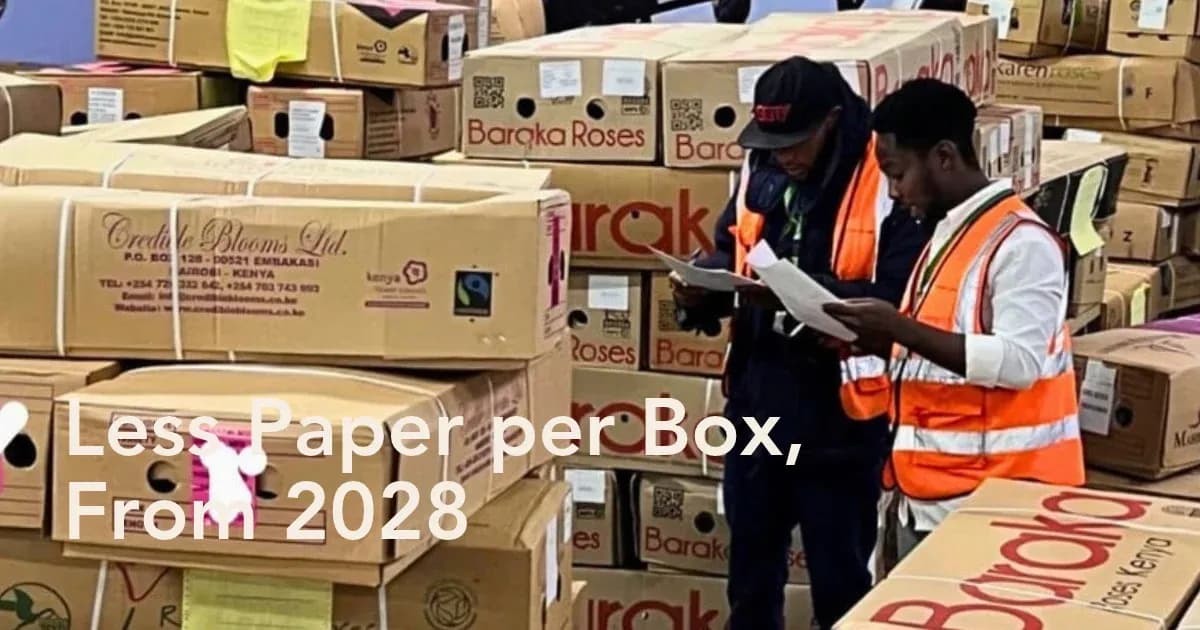
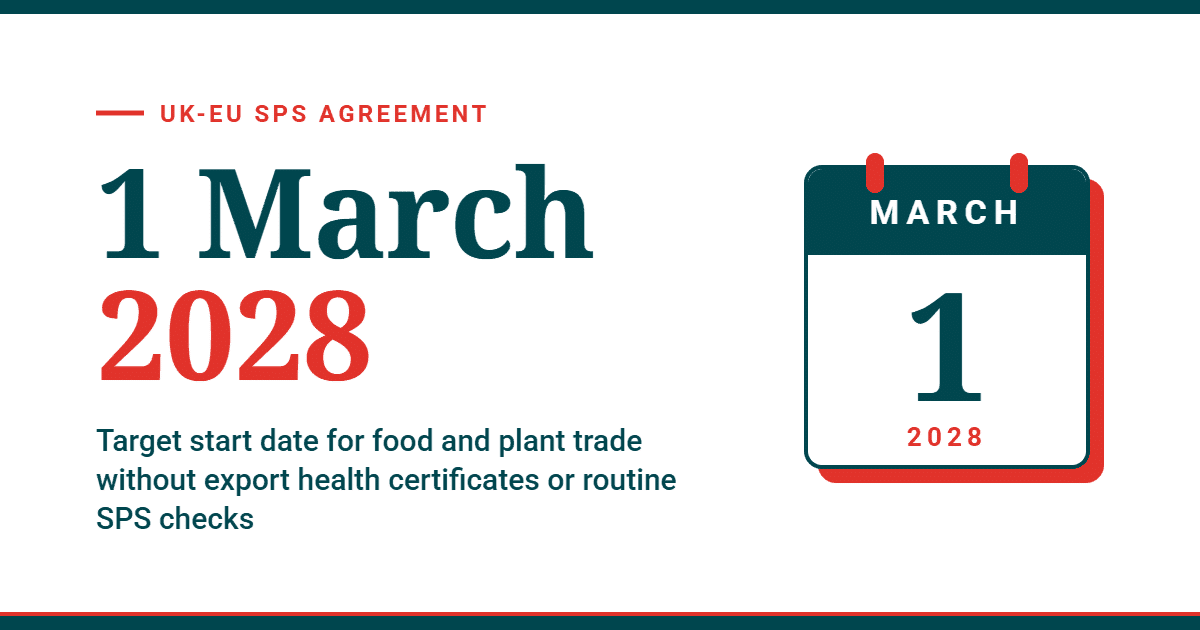
Starting from the agreed implementation date of March 1, 2028, the requirement for Export Health Certificates (EHCs) and phytosanitary certificates will be removed for the vast majority of goods traded between Great Britain and EU member states. In addition to eliminating certification procedures, the new arrangements will remove routine SPS border inspections on key agricultural commodities, including meat, dairy products, and fish. This operational shift is intended to significantly reduce physical delays and administrative overhead at port entries.
Market Access Expansion and Integration with the Windsor Framework
The agreement provides direct market access improvements for specific UK agricultural exports that previously faced restricted entry into the European single market. Among the specific commodities set to regain access to the EU market under the agreement are fresh sausages, burgers, seed potatoes, and molluscs.
Beyond bilateral trade between Great Britain and continental Europe, the agreement's benefits extend to internal UK trade routes. Through its interplay with the existing Windsor Framework, the agreement streamlines regulatory procedures for trade moving between Great Britain and Northern Ireland, further reducing internal market friction for food and agricultural produce.
Economic Valuation and Legislative Implementation Timeline
From a macroeconomic perspective, official estimates from the UK government indicate that the reduction in trade barriers and administrative costs achieved by the SPS agreement could add up to £5.1 billion annually to the UK economy.
Full implementation of the agreement is slated for March 1, 2028. Before the provisions take formal effect, the accord remains subject to the completion of necessary statutory legislative procedures within both the United Kingdom and the European Union.
Related Articles
UK and EU Finalize SPS Agreement to Streamline Agri-Food Border Trade
UK and EU Finalize SPS Agreement to Streamline Agri-Food Border Trade

UK and EU Sign Landmark SPS Agreement to Streamline Agri-Food Border Trade
UK and EU Sign Landmark SPS Agreement to Streamline Agri-Food Border Trade
UK and EU Set to Sign Landmark SPS Trade Agreement at Brussels Summit
UK and EU Set to Sign Landmark SPS Trade Agreement at Brussels Summit

UK Supermarkets Back New UK-EU SPS Agreement to Ease Food Trade Friction