
Vietnamese Food Exporters Navigate Stricter EU Packaging and Safety Rules
Vietnamese food exporters face stricter EU compliance demands, including packaging waste mandates, a BPA ban, and heightened RASFF scrutiny, as discussed at the Vietnam Food Forum 2026 in Ho Chi Minh City.
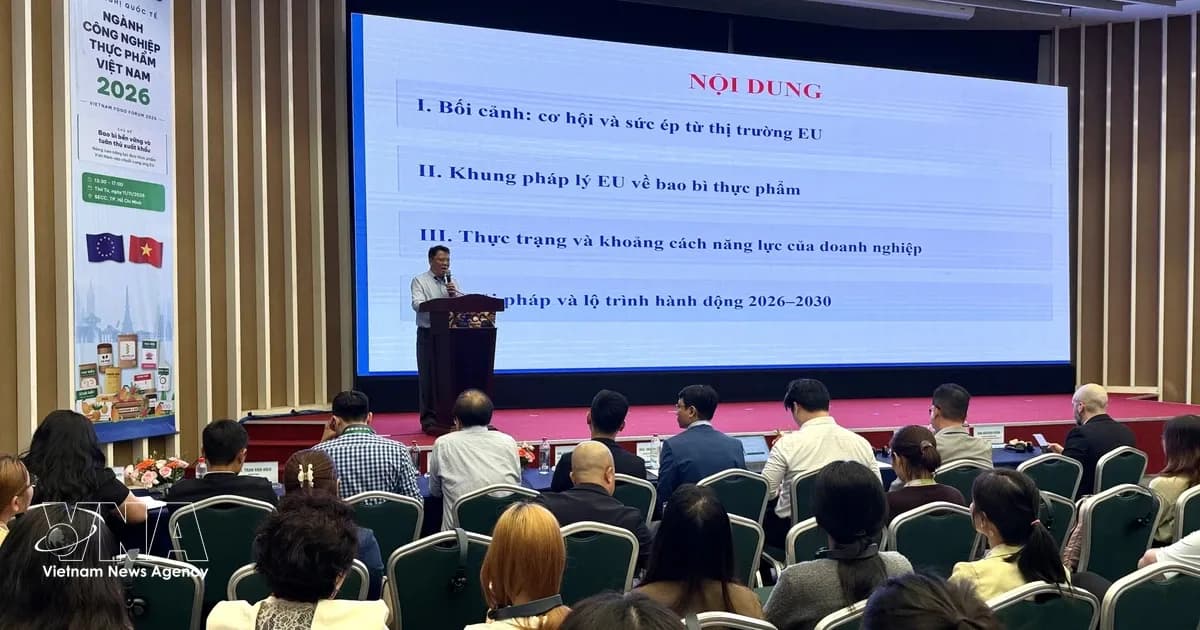
Vietnam Food Forum 2026 Addresses Heightened EU Standards
On November 11, 2026, the Vietnam Food Forum convened in Ho Chi Minh City to address the mounting regulatory hurdles facing domestic businesses exporting food products to the European Union. Organized by the Vietnam Trade Promotion Agency (Vietrade) in collaboration with the Swiss Import Promotion Programme (SIPPO) and international partner organizations, the forum focused on strategies required to navigate the EU's increasingly rigorous technical and environmental standards.
Discussions during the event underscored that technical compliance has emerged as the definitive factor for sustaining agricultural and food shipments to the European market. Trade specialists and regulatory experts emphasized that compliance with food safety protocols, comprehensive traceability, and evolving packaging standards remains imperative for ongoing integration into the European trade corridor.
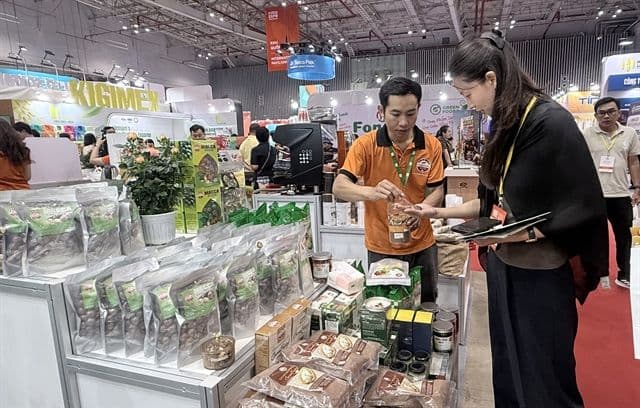
Packaging Mandates and Chemical Bans Reshape Export Requirements
A major focal point of the forum was the European Union's Packaging and Packaging Waste Regulation (PPWR). The regulation introduces mandatory criteria for all food packaging, requiring heightened recyclability and measurable waste reduction across supply chains. For Vietnamese food producers, adapting container design and material sourcing to align with the PPWR is becoming essential to avoid non-compliance at European points of entry.
In addition to packaging waste directives, exporters are operating under tighter chemical restrictions. As of July 2026, the EU implemented an outright ban on Bisphenol A (BPA) in food contact materials. This prohibition requires exporters across multiple food segments to audit processing lines, storage containers, and packaging components to verify that no banned compounds interact with food products bound for European consumers.
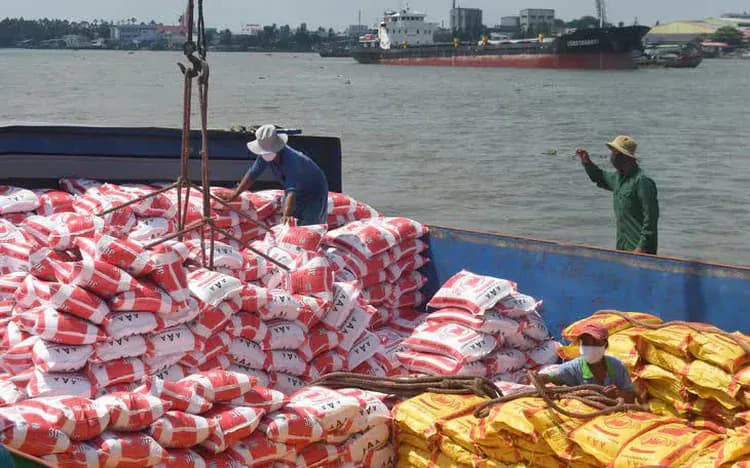
Heightened Scrutiny Under the EU RASFF Mechanism
Alongside structural packaging rules, Vietnamese agri-food exporters face increasing operational oversight from the EU's Rapid Alert System for Food and Feed (RASFF). Border inspections and regulatory authorities have intensified monitoring around labeling integrity, allergen declarations, and chemical residue thresholds.
Participants at the forum highlighted that shipments entering the EU are subject to rigorous testing protocols. Any divergence in product labeling, undeclared allergens, or chemical residues above European maximum limits risks triggering RASFF notifications, underscoring the necessity for robust end-to-end traceability and strict adherence to food safety norms throughout the production lifecycle.
Related Articles
EU Packaging Rules and Chemical Bans Redefine Market Access for Vietnamese Agricultural Exporters
EU Packaging Rules and Chemical Bans Redefine Market Access for Vietnamese Agricultural Exporters
Vietnam Proposes Green Logistics Corridors to Strengthen Agricultural Supply Chains
Vietnam Proposes Green Logistics Corridors to Strengthen Agricultural Supply Chains

EU Council Adopts Negotiating Stance on 'Technical Zero' Pesticide Residue Limits for Agricultural Imports
EU Council Adopts Negotiating Stance on 'Technical Zero' Pesticide Residue Limits for Agricultural Imports

UK and EU Finalize Draft SPS Agreement to Remove Post-Brexit Food Trade Checks