
World Bank Forecasts 18% Cumulative Rise in Global Food Commodity Prices Through 2027
The World Bank projects an 18% cumulative increase in food commodity prices through 2027, driven by surging energy costs, fertilizer prices, and El Niño.
Baseline Outlook for Food Commodity Prices and Broader Markets
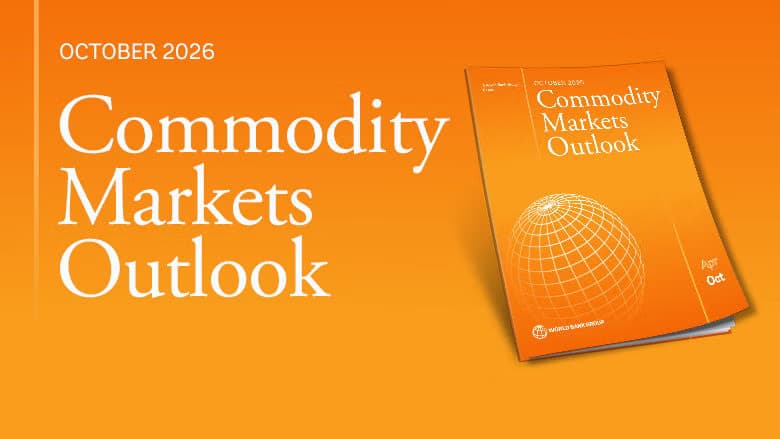
Global food commodity prices are projected to experience sustained upward momentum over the medium term, according to forecasts published in the World Bank's October 2026 Commodity Markets Outlook. Under baseline expectations, food commodity prices are anticipated to rise by 10% in 2026, followed by a further 7% increase in 2027. Together, these projections represent an 18% cumulative rise in food prices across the two-year horizon.
This agricultural trend forms part of a wider shift across international raw materials. Across all sectors, overall commodity prices are forecast to increase by 23% in 2026 before easing into a 7% decline in 2027. While broad commodity pressures are projected to moderate heading into 2027, food commodity prices are expected to remain elevated, continuing to accumulate gains across both consecutive years.
Energy Shocks, Fertilizer Costs, and Shipping Disruptions
The projected acceleration in food commodity prices is closely linked to sharp cost increases across key agricultural inputs and supply chain corridors. In particular, the forecast highlights elevated fuel and fertilizer expenses as primary drivers pressuring agricultural production costs worldwide.
Underpinning these farmgate and distribution pressures is a substantial projected increase in energy markets. Energy prices are forecast to rise by 32% in 2026. This surge is influenced by ongoing conflict in the Middle East and logistics disruptions affecting maritime transit through the Strait of Hormuz. In turn, high energy prices directly feed into fuel and fertilizer production costs. Alongside elevated input expenses, international agricultural supply chains are simultaneously facing disrupted grain shipments, reinforcing upward pressure on global food prices.

El Niño Climate Threats and the Adverse Scenario
In addition to input costs and geopolitical logistics risks, agricultural production faces direct harvest threats stemming from weather patterns. A strong El Niño is identified as a major driver putting global crop yields and harvest output at risk.
The World Bank's assessment also outlines an adverse scenario to evaluate the risks of compounding disruptions. Under this alternative projection—characterized by intensified regional conflicts and severe El Niño impacts—food commodity prices could surge an additional 12% above the baseline forecast. This assessment demonstrates that escalating geopolitical shocks and worsening climate conditions present significant upside risks to international food commodity markets beyond the already projected 18% cumulative rise.
Related Articles

World Bank Forecasts 18% Cumulative Rise in Global Food Commodity Prices Through 2027
World Bank Forecasts 18% Cumulative Rise in Global Food Commodity Prices Through 2027
World Bank Forecasts Cumulative 18% Rise in Global Food Commodity Prices Through 2027
World Bank Forecasts Cumulative 18% Rise in Global Food Commodity Prices Through 2027

World Bank Forecasts 18% Cumulative Increase in Global Food Commodity Prices Through 2027
World Bank Forecasts 18% Cumulative Increase in Global Food Commodity Prices Through 2027
World Bank Projects 18% Cumulative Increase in Global Food Commodity Prices Through 2027