
World Bank Forecasts Cumulative 18% Rise in Global Food Commodity Prices Through 2027
The World Bank forecasts an 18% cumulative increase in food commodity prices over 2026–2027, driven by shipping disruptions, weather, and input costs.

Baseline Outlook: Two-Year Upward Trajectory for Food Commodities
Global food commodity markets are facing sustained upward price pressure through the 2026–2027 period, according to baseline projections released by the World Bank. The organization projects a cumulative 18% increase in food commodity prices across the two-year timeframe, reflecting persistent challenges in agricultural supply chains and production environments.
The trajectory indicates substantial near-term cost pressures followed by continued compounding growth. In 2026, food commodity prices are forecast to rise by approximately 10%. This is expected to be followed by an additional 7% increase in 2027. Together, these compounding year-on-year gains present a higher price baseline for international agricultural trade, shifting commercial calculations for agricultural import and distribution networks.
Primary Drivers: Shipping Disruptions, Weather Shocks, and Input Costs
The projected elevation in food commodity prices is underpinned by several interrelated operational and environmental factors. Key among these are ongoing disruptions to international grain shipments, which directly constrain movement across primary trade routes and increase friction within global distribution corridors.
Simultaneously, agricultural production conditions remain pressured by El Niño weather patterns, introducing climate-related uncertainty into crop supply balances. These production and distribution challenges are compounded by sustained high costs for essential farm inputs. Both fuel and fertilizer expenses remain elevated, placing upward pressure on farm-gate production economics and tightening operating margins throughout international agricultural supply chains.
Adverse Risk Scenario: Heightened Vulnerability Under Compounded Shocks
Beyond the baseline forecast of an 18% cumulative rise, the World Bank outlined an adverse risk scenario that evaluates the impact of worsening external shocks on food commodity markets. This alternative scenario considers the joint effects of intensified conflict and more severe El Niño developments.
Under these intensified conditions, food prices are projected to rise an additional 12% above the baseline forecast. Such an outcome highlights significant upside price risks for international agricultural commodities, emphasizing the extent to which geopolitical friction and severe climatic disruption could further strain global food pricing structures.
Related Articles
World Bank Forecasts 18% Cumulative Increase in Global Food Commodity Prices Through 2027
World Bank Forecasts 18% Cumulative Increase in Global Food Commodity Prices Through 2027
World Bank Forecasts 18% Cumulative Increase in Global Food Commodity Prices Through 2027
World Bank Forecasts 18% Cumulative Increase in Global Food Commodity Prices Through 2027

Global Food Inflation Set to Accelerate Through 2027 as Cumulative Supply Shocks Mount
Global Food Inflation Set to Accelerate Through 2027 as Cumulative Supply Shocks Mount
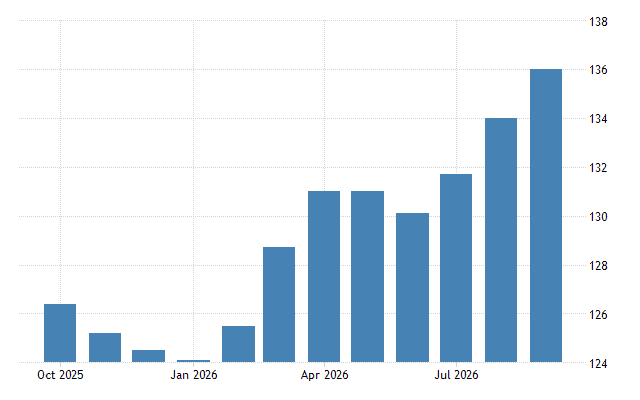
Global Food Commodity Prices Reach Highest Level Since 2022 Amid Freight and Weather Pressures