
World Bank Forecasts 18% Cumulative Increase in Global Food Commodity Prices Through 2027
The World Bank projects a cumulative 18% rise in global food commodity prices through 2027, driven by shipping disruptions, El Niño, and high fuel and fertilizer costs.
Baseline Projections for Food Commodity Prices
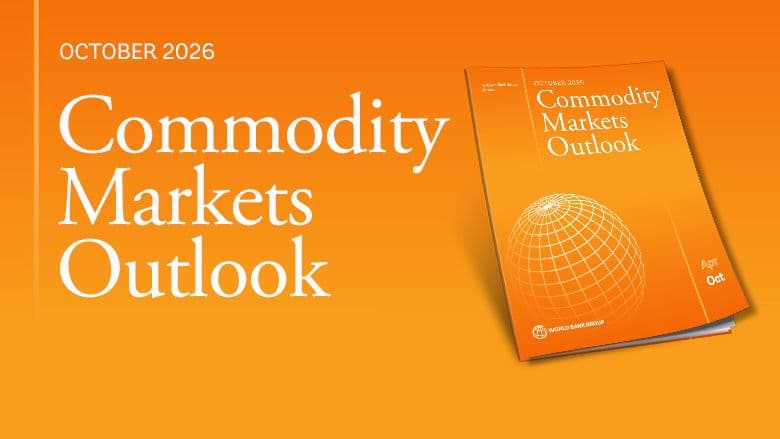
Global food commodity prices are projected to experience a cumulative rise of 18% between 2026 and 2027, according to forecasts published in the World Bank's October 2026 Commodity Markets Outlook.
The trajectory indicates an initial surge in food commodity prices of approximately 10% in 2026, followed by a further increase of 7% in 2027. These upward movements reflect persistent pressures across global agricultural supply chains and input markets.
Key Pressures Driving Upward Price Momentum
The projected acceleration in food commodity prices is attributed to several compounding global factors:
- Logistical Disruption: Ongoing disruptions to grain shipments have hampered movement along key trade corridors.
- Climatic Impacts: Adverse weather conditions tied to El Niño patterns continue to jeopardize crop outlooks.
- Input Costs: High costs for crucial agricultural inputs, specifically fuel and fertilizer, remain major contributors to cost-push inflation in farm output.
Adverse Scenario Risk Assessment
Beyond the baseline forecast, the World Bank detailed an adverse risk scenario under which market pressures could intensify further.
Should severe risks materialize, food commodity prices could exceed the baseline trajectory by an additional 12 percentage points. In such a scenario, global food prices would potentially surpass the peak levels observed during 2022, creating further stress for international food trade and global food security.
Related Articles
World Bank Forecasts Cumulative 18% Rise in Global Food Commodity Prices Through 2027
World Bank Forecasts Cumulative 18% Rise in Global Food Commodity Prices Through 2027
World Bank Forecasts 18% Cumulative Increase in Global Food Commodity Prices Through 2027
World Bank Forecasts 18% Cumulative Increase in Global Food Commodity Prices Through 2027

Global Food Inflation Set to Accelerate Through 2027 as Cumulative Supply Shocks Mount
Global Food Inflation Set to Accelerate Through 2027 as Cumulative Supply Shocks Mount
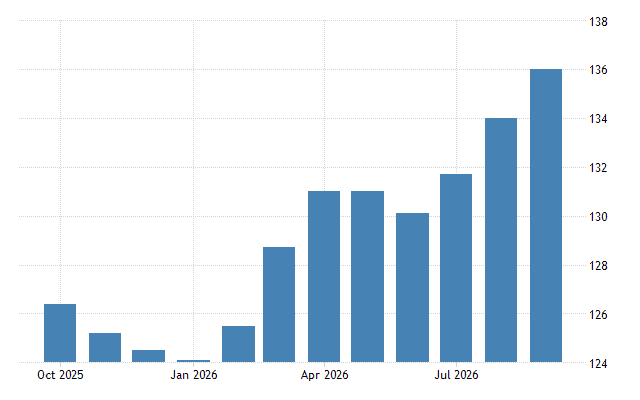
Global Food Commodity Prices Reach Highest Level Since 2022 Amid Freight and Weather Pressures