
Global Food Inflation Set to Accelerate Through 2027 as Cumulative Supply Shocks Mount
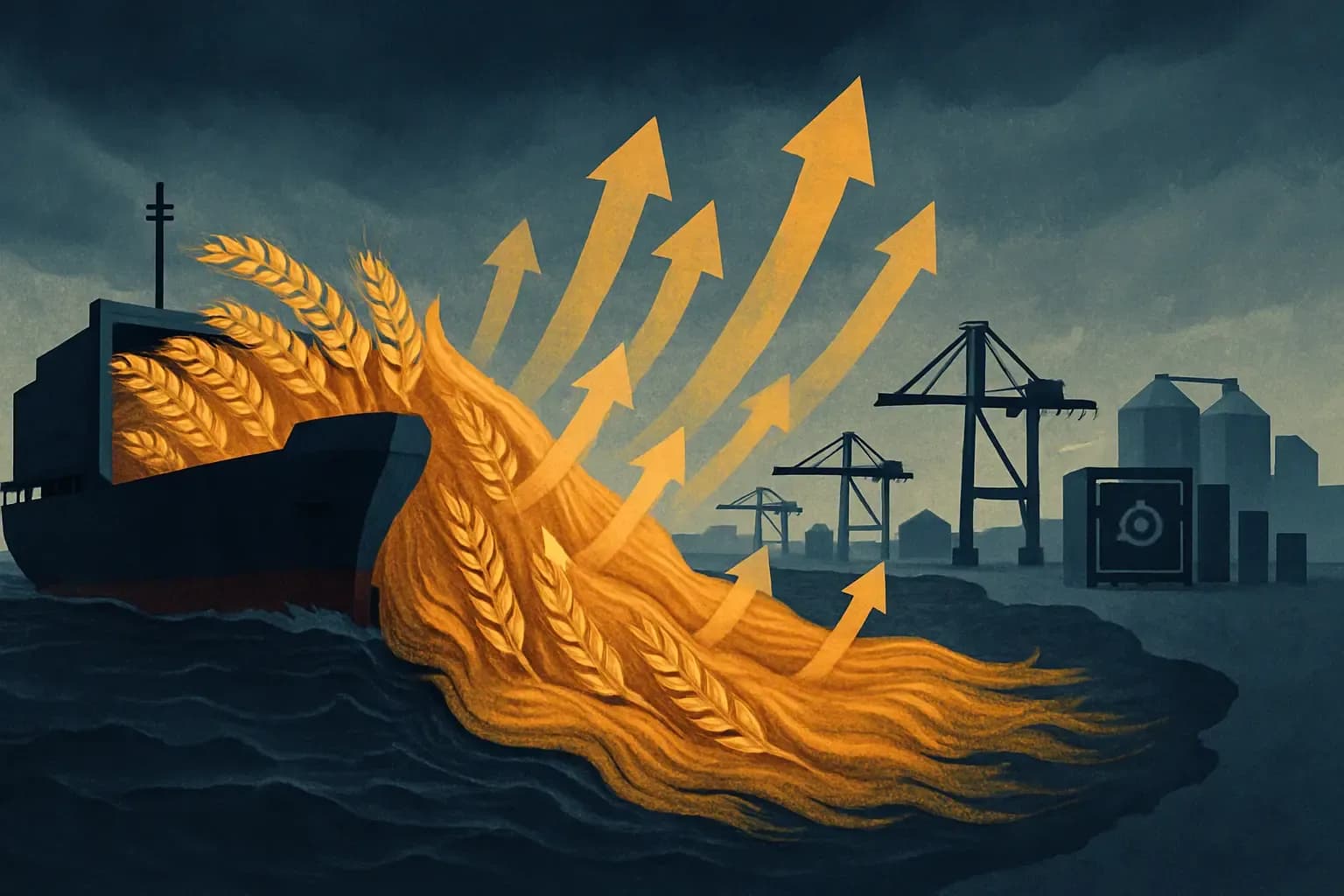
Global food commodity prices face upward momentum through 2027 as shipping disruptions, adverse weather, and rising grain and rice costs lift the FAO Food Price Index.
Food Price Index Reaches Multi-Year Peak
Global food inflation is projected to accelerate in the coming months and persist through 2027 as compounding supply chain disruptions and adverse weather events affect major agricultural markets. According to data tracked by the Food and Agriculture Organization (FAO) and international market analysts, cumulative pressures across international logistics routes and critical producing regions are tightening the global supply balance.
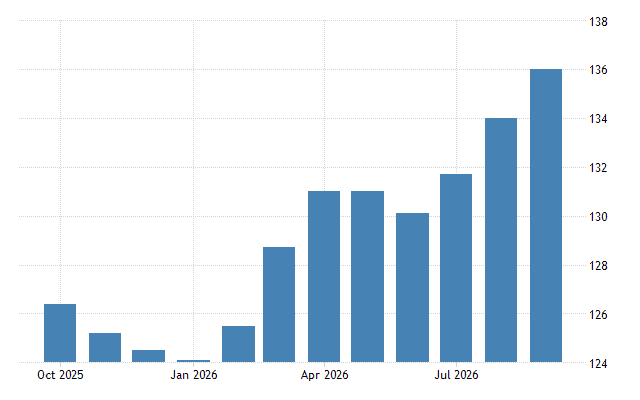
The FAO Food Price Index reflected these mounting pressures by reaching 136 points in September 2026. This level marks the benchmark index's highest reading since November 2022, reversing earlier periods of relative stability and signaling renewed inflationary momentum across internationally traded agricultural goods.
Staple Grain and Rice Markets Face Sharp Cost Increases
Core staple commodities are driving a significant portion of the upward trajectory in global food benchmarks. Wheat prices have escalated sharply, recording increases of more than 30% over the course of 2026.
Concurrently, rice markets across key Asian exporting countries have registered substantial price increases. Export prices for rice originating in these pivotal Asian origins have climbed by 10% to 13%, compounding import costs for destination markets dependent on external grain supplies.

Maritime Bottlenecks and Geopolitical Pressures Constrain Trade
International agricultural trade flows are experiencing persistent logistical friction, with shipping operators confronting elevated operating expenses across primary transport corridors. Geopolitical insecurity in the Red Sea has forced commercial vessels to divert onto longer transit routes, significantly increasing shipping costs and transit durations.
Simultaneously, attacks on infrastructure in the Black Sea have disrupted grain shipments from one of the world's most critical export regions. The combination of prolonged maritime diversions, elevated shipping tariffs, and export terminal disruptions continues to constrain grain movement, reinforcing market analyst projections that food inflation will remain elevated through 2027.
Related Articles
Global Food Commodity Prices Reach Highest Level Since 2022 Amid Freight and Weather Pressures
Global Food Commodity Prices Reach Highest Level Since 2022 Amid Freight and Weather Pressures
FAO Food Price Index Climbs to Nearly Four-Year High Amid Cereal and Transport Strains
FAO Food Price Index Climbs to Nearly Four-Year High Amid Cereal and Transport Strains
FAO Food Price Index Climbs to Highest Level Since November 2022
FAO Food Price Index Climbs to Highest Level Since November 2022
Black Sea Export Paralyzation Escalates Global Wheat Risk Premiums and FX Strain for Importers