
Azerbaijan Parliamentary Committee Warns Against Proposed 10% Agricultural Tax
Azerbaijan's Committee on Agrarian Policy chairman Tahir Rzayev warns that a proposed 10% tax on agricultural products threatens sector development, citing rising input costs and conflicting goals in the 2026–2030 State Programme.
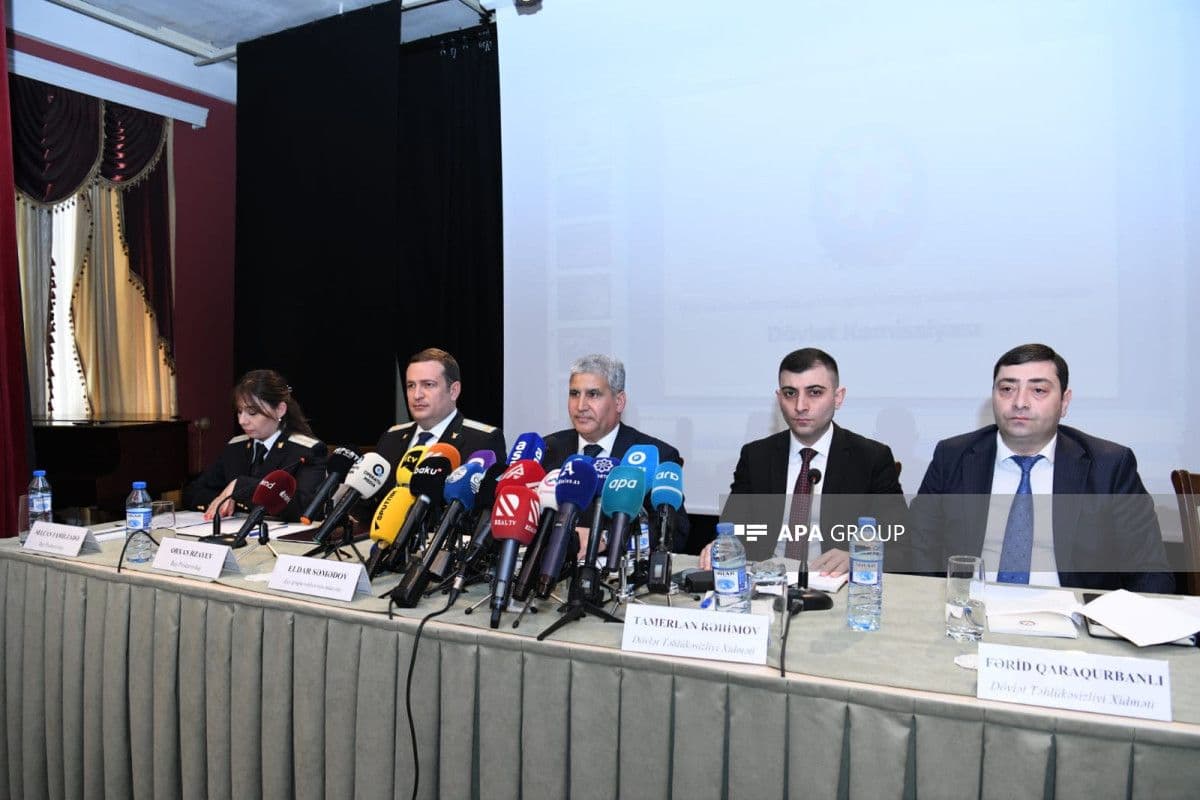
Parliamentary Debates Over Proposed 10% Agricultural Tax
During a joint meeting of parliamentary committees convened on November 13, 2026, to discuss Azerbaijan's 2027 state budget draft, legislative proposals regarding agricultural fiscal policy faced formal challenges. Tahir Rzayev, chairman of the parliamentary Committee on Agrarian Policy, raised critical concerns regarding a proposed 10% tax on agricultural products.
Rzayev warned that introducing the 10% levy would create substantial obstacles to the ongoing growth and overall development of the domestic agricultural sector. The formal warning highlighted growing friction between proposed state revenue measures in the 2027 budget draft and the financial stability of agricultural producers across the country.
Contradictions with the 2026–2030 State Agricultural Programme
A central component of Chairman Rzayev's argument focuses on the fundamental misalignment between the proposed 10% tax and Azerbaijan's established long-term economic strategy. Rzayev stated that implementing a tax on agricultural products directly contradicts the targets set in the 'State Programme for the Development of Agricultural, Fisheries and Aquaculture Production and Processing in Azerbaijan for 2026–2030'.
According to Rzayev, the national programme was explicitly established to foster growth, support processing capabilities, and strengthen output across the agricultural and aquaculture sectors. Imposing a new tax burden would undermine the policy objectives and structural support intended by the multi-year initiative.
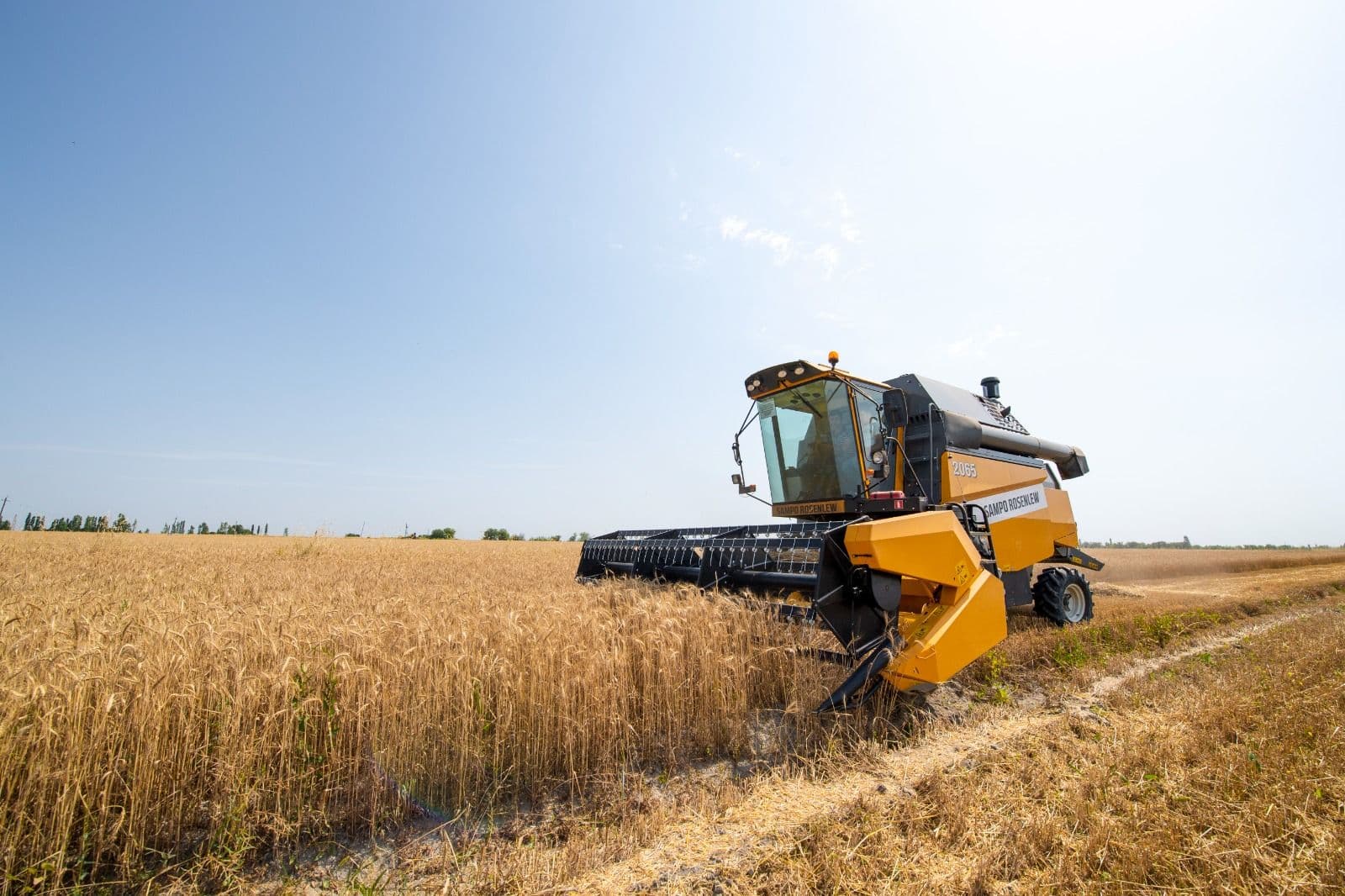
Rising Operational Costs and Sector Burden
Representatives from the agricultural sector backed the committee's stance, emphasizing that farmers are currently facing significant economic pressure from rising operational expenses. Industry stakeholders pointed to notable price increases across several essential input categories, including fertilizers, fuel, and technical services.
Sector representatives stated that these escalating input costs have severely strained operational margins. Adding a direct 10% tax on top of higher fertilizer, fuel, and service expenses would place a disproportionate burden on producers, threatening farm viability and broader food security goals.

Proposals for Policy Reconsideration and Fiscal Context
Rather than relying on short-term fixes, Committee Chairman Tahir Rzayev advocated for a structural review of agricultural tax policy. Rzayev argued that lawmakers should focus on a complete reconsideration of the overall taxation policy for agriculture, asserting that simply extending current temporary tax exemptions would be inadequate to ensure long-term stability.
This legislative debate takes place against the backdrop of expanding direct state investment in the sector. Azerbaijan increased its state budget expenditure on agriculture by 153 million manats ($90 million) in 2026 compared to the previous year. Committee members stressed that fiscal policy must remain aligned, ensuring that legislative tax measures do not counter the strategic investments being made through state funding allocations.
Related Articles
European Commission Considers Post-Accession Agricultural Curbs for Ukraine
European Commission Considers Post-Accession Agricultural Curbs for Ukraine
Poland and Romania Decline Expansion of Ukrainian Grain Transit Corridors
Poland and Romania Decline Expansion of Ukrainian Grain Transit Corridors
The Unseen Forces Shaping Your Steak: A Global Price Odyssey
The Unseen Forces Shaping Your Steak: A Global Price Odyssey

European Commission Proposes Transitional Safeguards for Ukrainian Agriculture Post-Accession